Are you struggling to catch a feral cat but don’t have a trap? It can be frustrating and tricky to handle these cautious animals without the right tools.
But don’t worry—you can still succeed with some simple, clever methods. In this guide, you’ll discover easy, effective ways to safely trap a feral cat without using a traditional trap. Keep reading, and you’ll learn how to protect the cat and yourself while making the process smoother and less stressful.
Your success starts here.
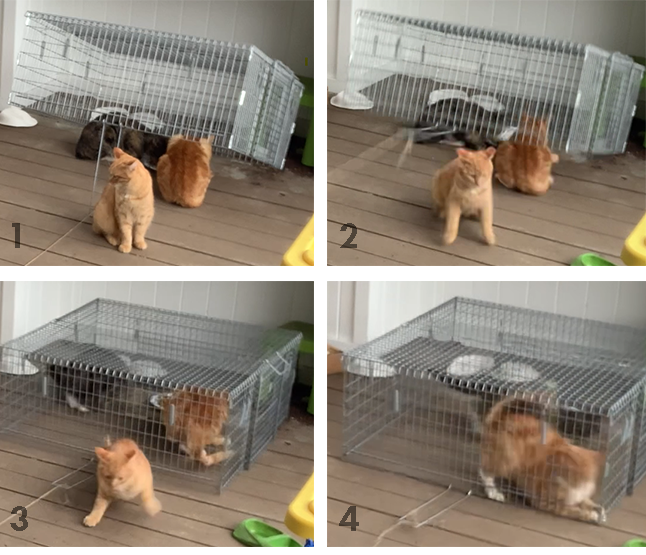
Credit: www.feralcats.com
Choosing The Right Location
Choosing the right location is key to trapping a feral cat without a trap. It affects how easily you can approach the cat. It also helps the cat feel safe enough to come close. A good spot increases your chances of success.
Identifying Cat Activity Areas
Look for places where the cat often moves or rests. Check near food sources or shelter spots. Watch for footprints, scratch marks, or droppings. These signs show the cat’s favorite paths. Pick a quiet area with little human traffic. Cats prefer calm spots to avoid danger.
Setting Up A Safe Space
Choose a spot shielded from noise and strong winds. Place food and water to attract the cat. Avoid sudden movements or loud sounds nearby. Let the area feel natural and secure. A safe space helps the cat relax and trust the surroundings. This trust makes trapping easier.

Credit: www.youtube.com
Using Food To Attract Cats
Using food to attract feral cats is a gentle way to earn their trust. Food draws cats out of hiding and closer to you. This approach helps create a connection without causing stress. The right bait and routine make cats feel safe and comfortable.
Selecting Irresistible Bait
Choose food that smells strong and fresh. Canned tuna, sardines, or cooked chicken work well. Avoid spicy or heavily seasoned foods. Wet food is better than dry because it has more aroma. Place the bait in a quiet, safe spot to avoid scaring the cat. Change the bait if cats lose interest.
Creating A Feeding Routine
Feed the cat at the same time each day. Cats like consistency and will start to expect food. Use a calm voice and stay still nearby during feeding. Slowly, the cat may approach closer over days. Keep the area clean to avoid attracting pests. Patience is key; building trust takes time.
Building A Makeshift Trap
Building a makeshift trap can help catch a feral cat without a store-bought trap. It takes some creativity and patience. Using simple items found at home can work well. The goal is to create a safe space that encourages the cat to enter.
Make sure the trap is sturdy and stable. The cat should feel safe enough to go inside. Comfort and safety increase the chances of success. This method requires careful setup and close observation.
Using Household Items
Use a large box or laundry basket as the trap base. Place a small piece of wood or a stick to prop the box up. Tie a string to the stick to release the trap from a distance.
Put some food inside the box to attract the cat. Wet cat food or tuna works well. Place the food at the far end so the cat fully enters the trap.
Use a towel or blanket inside the box for comfort. Make sure the entrance stays open until ready to trap the cat.
Ensuring Safety And Comfort
Check the trap often to avoid stressing the cat. Never leave the cat trapped for long periods. Cover the trap with a light cloth to calm the cat once caught.
Place the trap in a quiet, shaded spot. Avoid loud noises and bright lights nearby. Keep children and pets away to reduce stress.
Handle the trapped cat gently. Use gloves and avoid sudden movements. Prioritize the cat’s well-being throughout the process.
Timing Your Approach
Timing plays a key role in trapping a feral cat without a trap. Cats behave differently at various times of the day. Knowing when to approach can make the process easier and safer for both you and the cat.
Feral cats are more cautious than house cats. They watch closely for any sign of danger. Choosing the right moment to act reduces the chance of scaring them away. Patience during this time is essential.
Best Times To Attempt Capture
The early morning hours are often calm and quiet. Cats may be less alert and more focused on finding food. Late evening can also work well as cats prepare to rest. Avoid bright daylight or noisy times. These moments increase stress and make cats run.
Patience And Persistence
Successful capture rarely happens quickly. It may take several attempts over days or weeks. Approach slowly and stay low to the ground. Move gently and speak softly to build trust. Repeat feeding in the same spot helps create a routine. Patience helps the cat feel safe enough to come closer.
Handling The Cat After Capture
Handling a feral cat after capture is a delicate task. The cat feels scared and stressed. Careful actions help keep you and the cat safe. Calm movements reduce the cat’s fear. Proper handling leads to a better outcome for both.
Approaching With Care
Move slowly and quietly toward the cat. Avoid direct eye contact. Sudden moves cause the cat to panic. Speak softly to calm the cat. Use a towel or blanket to cover the cat gently. This helps reduce stress and protects you from scratches. Never rush the process. Patience is key when working with feral cats.
Transporting Safely
Use a secure carrier or box with ventilation. Line the bottom with a soft towel for comfort. Keep the carrier covered with a cloth to keep the cat calm. Avoid loud noises and sudden movements during transport. Place the carrier on a stable surface in your vehicle. Drive carefully to prevent shaking or tipping. Check the cat often without opening the carrier. Safe transport ensures the cat stays calm and protected.
Preventing Future Issues
Stopping feral cats from coming back is important after trapping one. It helps keep your property safe and peaceful. Taking steps to prevent future visits saves time and effort. It also helps the cats stay healthy and away from danger.
Deterring Cats From Returning
Remove food sources like garbage or pet food outside. Cats return to places with easy meals. Use natural repellents such as citrus peels or vinegar. Cats dislike strong smells and will avoid those areas. Keep your yard clean and free of hiding spots. Trim bushes and seal holes where cats might hide. Motion-activated lights or sprinklers can scare cats away.
Community Involvement
Talk to neighbors about feral cats in the area. Sharing information helps everyone manage the cats better. Organize group efforts to trap and neuter feral cats. This reduces the cat population over time. Support local animal shelters and rescue groups. They offer advice and help with feral cat issues. Working together creates a safer, cleaner neighborhood for all.

Credit: www.feralcat.com
Frequently Asked Questions
How Can I Catch A Feral Cat Without A Trap?
Use food to lure the cat into a safe enclosure like a large box or carrier.
What Bait Works Best For Trapping Feral Cats?
Wet cat food or tuna often attracts feral cats effectively.
How Long Does It Take To Trap A Feral Cat?
It can take several days of patience and repeated attempts.
Is It Safe To Handle A Feral Cat Directly?
No, feral cats may scratch or bite; use gloves and protective gear.
Can I Use Homemade Traps For Feral Cats?
Yes, simple box or cage traps can be made at home with care.
Should I Call Animal Control To Trap A Feral Cat?
Calling animal control is a good option if trapping seems difficult or unsafe.
Conclusion
Trapping a feral cat without a trap takes patience and care. Use food and quiet spots to attract the cat. Move slowly and stay calm to avoid scaring it away. Watch the cat’s habits to find the best time and place.
Always think about the cat’s safety and comfort. This gentle approach works well over time. Keep trying, and you will have success. Helping feral cats needs kindness and understanding. It is worth the effort.
As an Amazon Associate, I earn from qualifying purchases.