Is your cat sneezing, coughing, or showing signs of a runny nose? Just like humans, cats can catch colds too, and it’s tough to see your furry friend feeling under the weather.
You want to help your cat feel better quickly but might be unsure where to start. You’ll discover simple and effective ways to treat a cat cold at home. By understanding the symptoms and knowing what steps to take, you can ease your cat’s discomfort and speed up their recovery.
Keep reading to learn how to care for your cat when they’re sick and bring back their happy, playful self.
Symptoms Of A Cat Cold
Cats cannot tell us when they feel sick. Cat colds often start slowly. Knowing the symptoms helps you act fast. Early care can make your cat feel better soon.
Watch your cat closely. Notice any changes in behavior or appearance. Spotting symptoms early is key to proper care.
Common Signs To Watch For
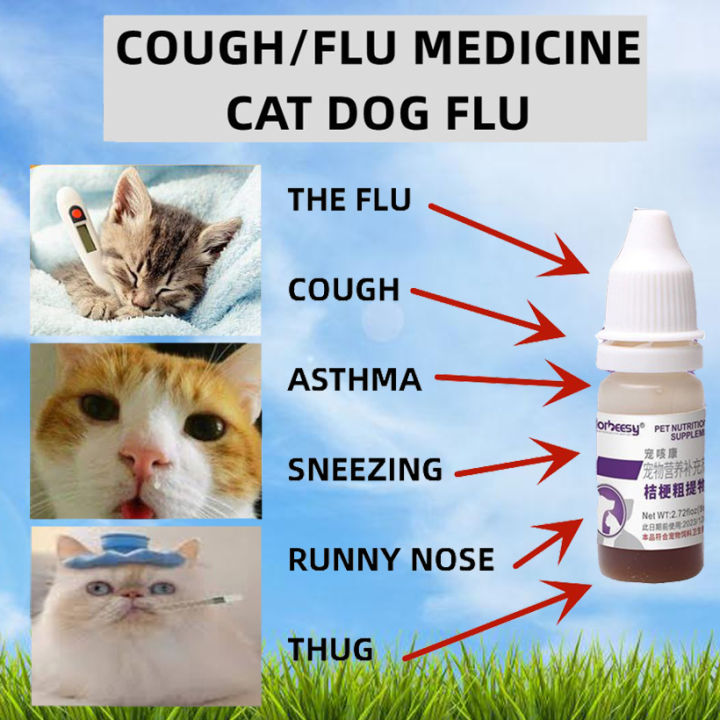
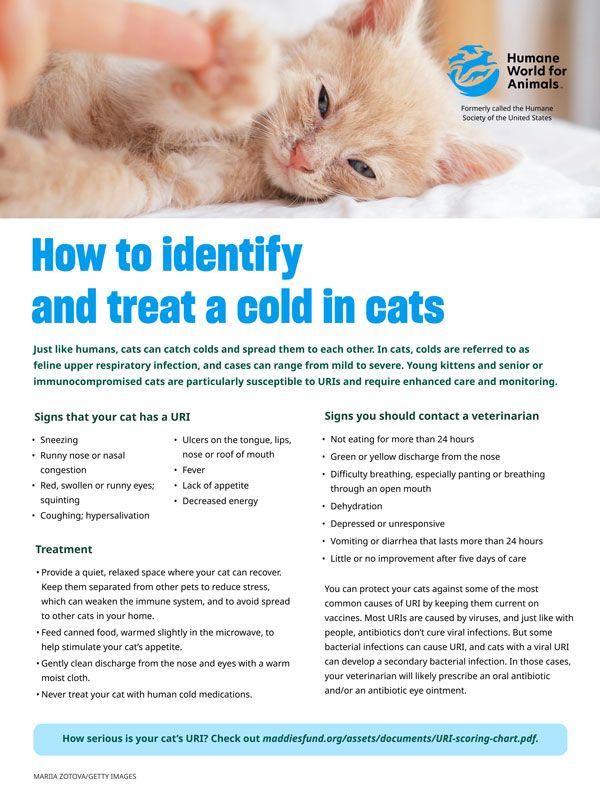
Cat colds often cause sneezing and coughing. Your cat may have a runny nose or watery eyes. They might breathe louder or with effort. Some cats lose their appetite or seem tired. Check for a mild fever or warm ears. Your cat may rub its face often. These signs suggest your cat has a cold.
When To See A Vet
Seek vet care if symptoms last more than a week. Watch for trouble breathing or blue gums. If your cat stops eating or drinking, get help. Severe coughing or constant sneezing needs attention. A vet can give medicine and check for other problems. Don’t wait if your cat looks very weak or sick.
Credit: vixencomposites.com
Causes And Risks
Cat colds are common and can cause discomfort. Understanding causes and risks helps you protect your pet. Some cats catch colds more easily than others. Young kittens and older cats face higher risks. Stress and poor nutrition can also weaken a cat’s immune system. These factors make cats more vulnerable to cold viruses and bacteria.
Viral And Bacterial Infections
Most cat colds start from viruses. The feline herpesvirus and calicivirus are common causes. These viruses spread quickly among cats in close contact. Bacterial infections can follow viral infections, making symptoms worse. Bordetella and Chlamydophila bacteria are common culprits. These infections cause sneezing, runny nose, and eye problems. Vaccines help reduce the risk but do not fully prevent colds.
Environmental Triggers
Cold weather can stress a cat’s body and immune system. Dry air inside homes may dry out a cat’s nose and throat. Dust, smoke, and strong perfumes irritate the respiratory tract. Crowded living spaces increase the chance of infection spreading. Poor hygiene or dirty litter boxes add to the risk. Keeping your cat’s environment clean and comfortable lowers these risks.
Home Care Strategies
Home care plays a key role in helping a cat recover from a cold. Small changes in daily routine can ease symptoms and support healing. Focus on comfort, hydration, and cleanliness to create a safe space for your pet.
Keeping Your Cat Comfortable
Provide a warm and quiet place for your cat to rest. Avoid loud noises and bright lights. Use soft bedding to keep your cat cozy. Keep your cat indoors to prevent exposure to cold air.
Observe your cat’s behavior. Let them rest as much as needed. Avoid forcing play or activity during recovery.
Hydration And Nutrition Tips
Offer fresh water often to keep your cat hydrated. Wet food can help increase fluid intake. Warm the food slightly to make it more appealing. Small, frequent meals are easier for your cat to eat.
Monitor your cat’s appetite closely. Contact a vet if your cat refuses to eat for more than a day.
Maintaining A Clean Environment
Clean your cat’s bedding and litter box regularly. Wash your hands before and after handling your cat. Keep the living area free from dust and strong smells. Good hygiene limits the spread of germs and helps recovery.
Credit: humanepro.org
Medications And Treatments
Treating a cat cold requires the right medications and care. Some treatments help ease symptoms and speed recovery. Knowing the options helps you decide the best care for your cat. Proper medicine use is key to avoid harm.
Over-the-counter Options
Some mild remedies are safe for cats and can relieve symptoms. Saline nasal drops help clear blocked noses. They are gentle and easy to use. Always use products made for pets, not humans. Avoid giving cough or cold medicines made for people. These can be harmful to cats.
Prescription Medicines
Veterinarians may prescribe antibiotics if a bacterial infection is present. These medicines fight infection and reduce fever. Never use prescription drugs without vet advice. Some cats may need antiviral drugs for specific viruses. Your vet will decide the best medicine and dose. Follow instructions carefully to keep your cat safe.
Using Humidifiers And Steam
Moist air helps soothe a cat’s irritated nose and throat. A humidifier adds moisture to the air in your home. Steam from a warm bath can also help clear nasal passages. Make sure your cat stays safe around hot water. Keep sessions short and watch for signs of stress. These methods support breathing and comfort during a cold.
Preventing Future Colds
Preventing future colds in cats is important for their health. A cat with a strong defense system can fight off viruses better. Small changes at home and care routines help keep your cat safe. Focus on key steps to lower the risk of colds.
Vaccinations
Vaccines protect cats from many common viruses. They reduce the chance of catching serious infections. Talk to your vet about the right vaccines for your cat. Keep vaccine schedules up to date to ensure strong protection.
Boosting Immune Health
A healthy diet supports your cat’s immune system. Feed high-quality food with necessary nutrients. Fresh water should always be available. Regular vet check-ups catch problems early. A strong immune system helps cats fight colds quickly.
Reducing Stress Factors
Stress weakens a cat’s immune system. Keep your cat’s environment calm and quiet. Provide safe spaces for rest and play. Avoid sudden changes in routine or home. Less stress means fewer colds and better health.

Credit: www.wikihow.com
Frequently Asked Questions
What Are The Common Symptoms Of A Cat Cold?
Sneezing, runny nose, watery eyes, coughing, and loss of appetite are common signs.
How Can I Safely Give Medicine To My Cat?
Use a dropper or syringe and give medicine slowly to avoid choking.
Should I Keep My Cat Indoors During A Cold?
Yes, staying indoors helps your cat rest and prevents spreading the illness.
How Long Does A Typical Cat Cold Last?
Most cat colds last about one to two weeks with proper care.
Can I Use Human Cold Medicine For My Cat?
Never use human medicine; it can be harmful or toxic to cats.
When Should I Take My Cat To The Vet?
If symptoms worsen, last more than two weeks, or your cat stops eating.
Conclusion
Treating a cat cold takes patience and care. Keep your cat warm and comfortable. Offer fresh water and nutritious food daily. Watch for signs of worsening illness. Visit a vet if symptoms last long or get worse. Early care helps your cat heal faster.
Gentle attention makes a big difference. Your cat will thank you with purrs and play. Stay calm and act quickly to support your pet’s health.
As an Amazon Associate, I earn from qualifying purchases.