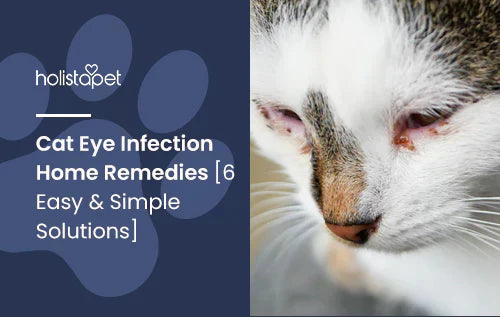
If your cat’s eyes look red, swollen, or watery, you might be worried about an eye infection. Eye problems can be painful and dangerous for your furry friend if not treated quickly.
But don’t panic—you can help your cat feel better fast. You’ll discover simple, effective ways to recognize and treat your cat’s eye infection at home. Keep reading, because the sooner you act, the sooner your cat will be back to their playful, happy self.
Credit: www.holistapet.com
Common Causes Of Cat Eye Infection
Cat eye infections are common and can cause discomfort. Understanding the causes helps in treating the infection properly. Several factors can lead to eye problems in cats. Knowing these causes can help you spot the signs early and take action fast.
Bacterial Infections
Bacteria often cause eye infections in cats. They can enter through small cuts or scratches. These infections lead to redness, swelling, and discharge. Prompt treatment with antibiotics usually clears the infection.
Viral Infections
Viruses also cause eye infections. Feline herpesvirus is a common culprit. It causes sneezing, eye redness, and watery discharge. Viral infections may need antiviral medicine and extra care.
Allergies And Irritants
Allergies can irritate a cat’s eyes. Dust, pollen, or smoke often trigger these reactions. The eyes may become itchy and watery. Avoiding allergens helps reduce symptoms and prevent infections.
Foreign Bodies
Foreign objects like dust or grass can get into a cat’s eye. This causes pain and redness. The cat may paw at the eye frequently. Removing the object quickly can stop further damage.
Recognizing Symptoms In Cats
Recognizing symptoms of cat eye infection early helps protect your cat’s vision. Watch closely for changes in your cat’s eyes. Spotting signs quickly leads to faster treatment. Cats cannot tell you when their eyes hurt. Observing their eyes daily is important for their health.
Redness And Swelling
Redness in the white part of the eye is a key sign. Swelling around the eyelids or eye surface also signals infection. The area may look puffy or irritated. These signs mean your cat’s eye is inflamed and needs care. Notice if one or both eyes are affected.
Discharge And Crusting
Look for unusual discharge from the eye. It can be clear, yellow, or green. Discharge often causes crusts on the fur near the eye. Crusting may make the eyelids stick together, especially after sleep. This symptom shows that bacteria or viruses might be present.
Excessive Tearing
Excessive tearing is a common symptom of eye infection. Tears may run down your cat’s face more than usual. Watery eyes can also mean irritation or allergies. Check if your cat’s eyes look glossy or wet constantly. This helps you catch problems early.
Behavioral Changes
Behavior changes often accompany eye discomfort. Your cat may squint or blink frequently. They might paw or rub their eyes more than normal. Some cats become less active or hide away. These signs indicate pain or discomfort needing attention.
Home Remedies For Relief
Cat eye infections cause discomfort and redness. Home remedies can ease your cat’s pain. These methods help clean and soothe the eye safely. They support healing and reduce irritation. Use these simple steps carefully to protect your cat.
Cleaning The Eye Safely
Start by washing your hands thoroughly. Use a clean, soft cloth or cotton ball. Dampen it with warm water. Gently wipe away discharge from the eye. Always wipe from the inside corner outward. Avoid touching the eye directly. Do this twice a day to keep the area clean.
Using Warm Compresses
Warm compresses reduce swelling and soothe pain. Soak a clean cloth in warm water. Wring out excess water before applying. Place the cloth gently on the closed eye. Hold it there for five minutes. Repeat this two to three times daily. This helps loosen crusts and eases irritation.
Applying Natural Soothing Agents
Some natural products can calm eye inflammation. Use chamomile tea cooled to room temperature. Apply with a clean cloth or cotton ball. Avoid using any oils or creams unless advised by a vet. These natural agents reduce redness and comfort the eye. Always test on a small area first to check for reactions.
When To See A Veterinarian
Knowing when to see a veterinarian is very important for your cat’s eye infection. Some signs need quick help from a vet. Early care can stop the problem from getting worse.
Watch your cat closely. Some symptoms may seem small but need expert care. The vet can give the right medicine and advice to help your cat heal fast.
Persistent Symptoms
If your cat’s eye infection lasts more than a few days, see a vet. Redness, swelling, or discharge that does not improve needs attention. This may show the infection is serious or not healing well.
Severe Discomfort
Notice if your cat rubs its eye often or acts restless. Squinting, blinking a lot, or pawing the eye means pain. Severe discomfort should be checked quickly by a veterinarian to ease your cat’s suffering.
Vision Problems
Any change in your cat’s sight needs urgent vet care. Cloudy eyes, bumping into things, or trouble seeing shows a serious problem. The vet can prevent lasting damage and protect your cat’s vision.
Veterinary Treatments
Veterinary treatments play a vital role in curing cat eye infections. A vet will examine your cat carefully. They will choose the best medicine based on the infection type and severity. Early treatment helps avoid serious eye problems. Proper care speeds up healing and keeps your cat comfortable.
Antibiotic Eye Drops And Ointments
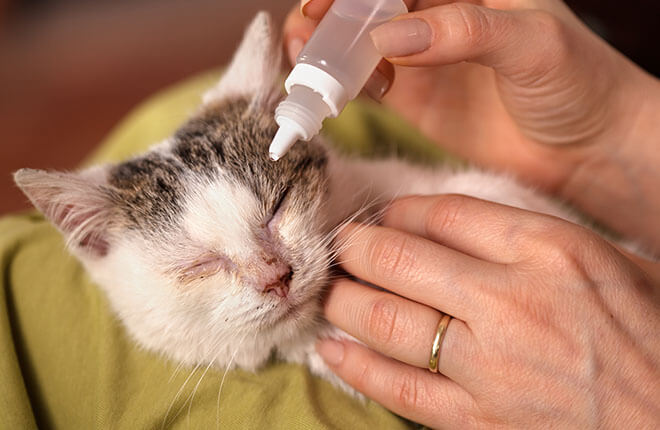
Antibiotic eye drops or ointments are common treatments. They fight bacteria causing the infection. The vet shows how to apply them safely. Usually, these medicines are given several times a day. Consistent use is key to clear the infection. Never skip doses or stop early, even if the eye looks better.
Oral Medications
Sometimes, oral medications are needed. Pills or liquids help fight infections from inside the body. They also reduce inflammation and pain. The vet decides the right drug and dose. Follow instructions carefully for best results. Watch your cat for side effects like vomiting or loss of appetite.
Follow-up Care
Follow-up visits are important to check progress. The vet examines the eye again to ensure healing. They may adjust treatment if needed. Keep your cat’s environment clean to prevent reinfection. Avoid touching or rubbing the eye. Good follow-up care ensures full recovery and eye health.
Credit: www.zoetispetcare.com
Preventing Future Eye Infections
Preventing future eye infections in cats is key to keeping them healthy and happy. Eye infections can cause pain and discomfort. Avoiding them saves your cat from unnecessary suffering. Simple steps help reduce the risk significantly. Focus on daily care and regular checkups. Protect your cat from harmful environments. This approach supports your cat’s eye health over time.
Maintaining Good Hygiene
Clean your cat’s eyes gently each day. Use a soft, damp cloth to wipe away dirt and discharge. Avoid harsh soaps or chemicals near the eyes. Keep your cat’s bedding clean to prevent germs. Wash your hands before and after touching your cat’s face. This practice stops the spread of bacteria and viruses.
Regular Vet Checkups
Schedule regular visits to the vet for eye health checks. Early detection helps treat infections before they worsen. The vet can spot signs you may miss. Follow the vet’s advice on eye care and medication. Timely vaccinations also reduce infection risks. Keep a record of your cat’s eye health history.
Protecting Against Environmental Hazards
Limit your cat’s exposure to dust, smoke, and strong winds. These irritate the eyes and cause infections. Avoid letting your cat roam in places with chemicals or harmful plants. Use safe, cat-friendly cleaning products at home. Keep your cat indoors during bad weather. This reduces the chance of eye injuries and infections.

Credit: www.kittenlady.org
Frequently Asked Questions
What Are Common Signs Of A Cat Eye Infection?
Redness, swelling, discharge, squinting, and frequent pawing at the eye are common signs.
How Can I Safely Clean My Cat’s Infected Eye?
Use a clean, damp cloth with warm water to gently wipe away discharge.
When Should I Take My Cat To The Vet For An Eye Infection?
If symptoms last more than two days or worsen, visit the vet immediately.
Can Eye Drops Help Treat My Cat’s Eye Infection?
Yes, vet-prescribed eye drops or ointments can effectively treat infections.
How Do I Prevent Eye Infections In My Cat?
Keep your cat’s environment clean and avoid contact with sick animals.
Is It Safe To Use Human Eye Medicine On Cats?
No, human eye medicines can harm cats; always use vet-approved treatments.
Conclusion
Treating a cat’s eye infection needs care and patience. Clean the eye gently and give medicine as the vet says. Watch for signs that the infection is getting worse. Keep your cat’s living area clean to help healing. Early treatment helps avoid serious problems.
Healthy eyes mean a happier cat. Stay calm and act quickly for the best results. Your cat will thank you with bright, clear eyes.
As an Amazon Associate, I earn from qualifying purchases.