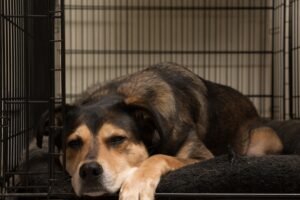
If your dog has a cut on their paw, you probably want to help them feel better as quickly as possible. Paw injuries can be painful and worrying, but knowing the right steps to treat the cut can make all the difference.
In this guide, you’ll learn simple and effective ways to clean, protect, and care for your dog’s paw at home. Keep reading to discover how to prevent infection, reduce discomfort, and get your furry friend back on their paws in no time.

Credit: www.wikihow.com
Assessing The Injury
Assessing a cut on your dog’s paw is the first step to proper care. You must carefully check the wound to understand its severity. This helps decide if home treatment is enough or if a vet visit is needed.
Signs Of A Serious Cut
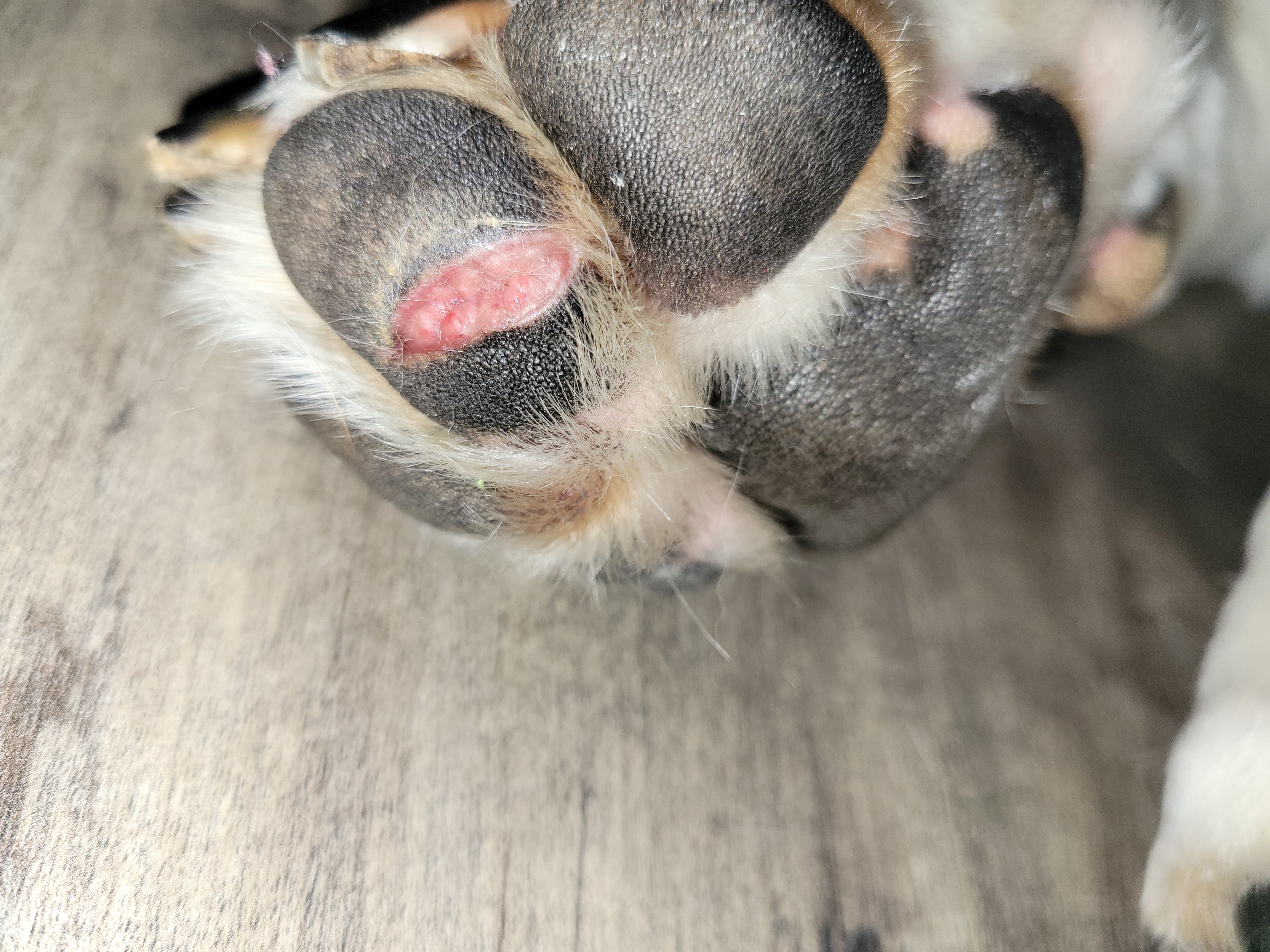
Look for deep wounds that bleed heavily or won’t stop bleeding. Check if the paw is swollen or if your dog limps when walking. Notice any dirt, debris, or torn skin in the cut. If the cut is large or very painful, it is serious. Also, watch for signs of infection like redness or pus.
When To Seek Veterinary Help
Visit the vet if the cut bleeds nonstop for more than 10 minutes. Bring your dog in if the paw looks broken or if your dog cannot put weight on it. Seek help if you see signs of infection or if the wound is very deep. A vet can clean, stitch, or give medicine to help your dog heal safely.
Cleaning The Wound
Cleaning the wound is the first step to help your dog’s paw heal fast. Dirt and germs in the cut can cause infection. You must clean the wound carefully and gently. This will stop infection and reduce pain for your dog.
Gathering Necessary Supplies
Get everything ready before you start. You need clean water, mild soap, and sterile gauze pads. Have a pair of tweezers and antiseptic solution like iodine or chlorhexidine. Keep a clean towel nearby to dry the paw. Use gloves if possible to keep things clean.
Proper Cleaning Techniques
Rinse the wound with lukewarm water to remove dirt. Use mild soap around the cut, but not inside the wound. Gently pat the area dry with a clean towel or gauze. Use antiseptic solution on a gauze pad to clean the cut. Avoid using alcohol or hydrogen peroxide as they can hurt tissues. Check for small debris and remove it carefully with tweezers. Repeat cleaning twice daily until the wound looks better.
Stopping The Bleeding
Stopping the bleeding is the first and most important step in treating a cut on your dog’s paw. Quick action helps prevent infection and reduces pain. You need to control the bleeding before cleaning or bandaging the wound.
Applying Pressure
Use a clean cloth or sterile gauze to press firmly on the cut. Hold steady pressure for several minutes. Avoid lifting the cloth too soon to check the wound. This helps blood clot and slows bleeding. If bleeding continues, keep pressing and add more cloth on top without removing the first layer.
Using Safe Clotting Agents
Some pet-safe clotting powders or styptic pencils help stop bleeding faster. Apply these gently to the cut after pressure. Avoid human products that may harm your dog. Always keep these agents in your pet first aid kit. They work by helping blood clot and sealing small vessels quickly.
Credit: www.ecoparkcampogrande.com.br
Protecting The Paw
Protecting your dog’s injured paw is very important. It helps the wound heal faster and stops dirt from causing infection. Keeping the paw clean and safe makes your dog feel better and prevents further damage. Use simple methods to cover and shield the cut.
Bandaging Tips
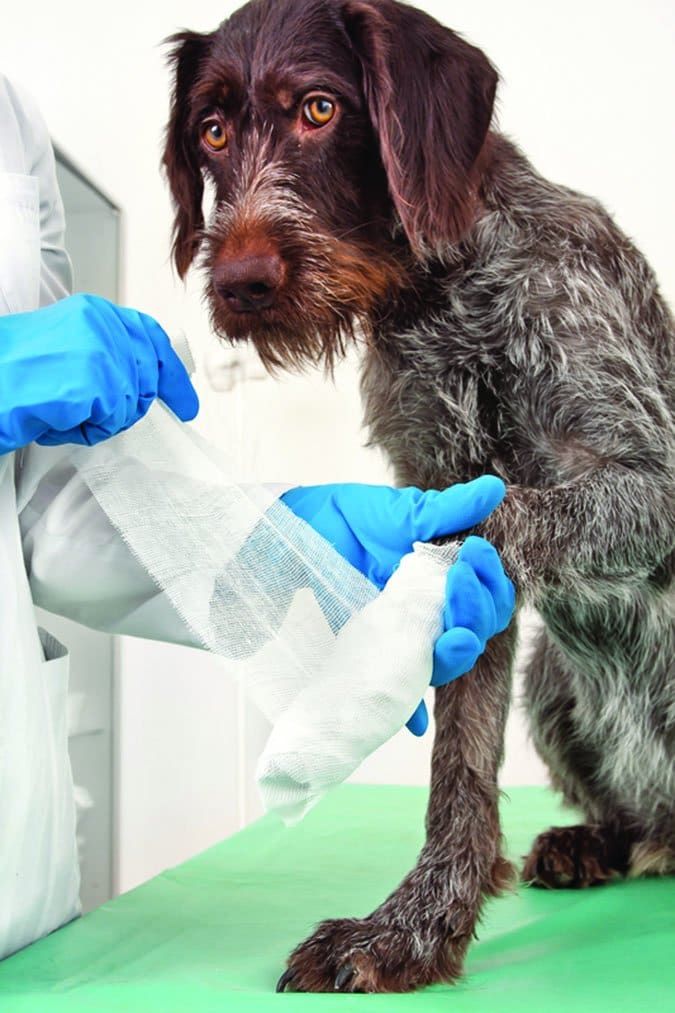
Start by cleaning the paw gently with warm water. Dry it carefully to avoid moisture build-up. Use a sterile pad to cover the cut. Wrap a soft bandage around the paw, but not too tight. Check the bandage often to make sure it stays clean and dry. Change the bandage daily or if it gets wet or dirty. Keep your dog calm to stop it from chewing the bandage.
Choosing The Right Paw Cover
Select a paw cover that fits well and protects the wound. Soft, breathable materials work best. Avoid hard or rough covers that can hurt the paw more. Covers with a non-slip sole help your dog walk safely. Consider waterproof covers if your dog goes outside. Paw covers should be easy to remove and replace. Always watch your dog to ensure the cover stays in place.
Preventing Infection
Preventing infection in a dog’s paw cut is very important. A small cut can easily get infected if not cared for well. Infection causes pain, swelling, and can slow healing. Taking quick action helps your dog feel better fast.
Applying Antiseptics
Clean the cut with warm water first. Remove dirt and debris gently. Use a dog-safe antiseptic to kill germs. Apply the antiseptic with a clean cotton ball. Avoid human antiseptics that can harm dogs. Let the area dry before covering it. Repeat cleaning twice a day to keep the cut fresh.
Signs Of Infection To Watch
Check the cut daily for any changes. Look for redness that spreads beyond the cut. Swelling and warmth are signs of infection. Pus or unusual discharge means bacteria are present. Your dog may lick or bite the paw more. If the paw smells bad or your dog limps, seek vet care quickly.
Pain Management
Managing pain is very important after a dog gets a cut on the paw. Pain can make your dog restless and stop it from healing well. Proper pain care helps your dog stay calm and recover faster. Watch for signs like limping, licking the paw, or whining. These show your dog feels pain and needs help.
Safe Pain Relief Options
Use only vet-approved pain medicines for your dog. Some medicines made for humans can hurt dogs. Your vet may suggest special dog painkillers. Natural options like cold compresses can reduce pain and swelling. Keep your dog calm and limit its movement to avoid more pain. Check the wound often and keep it clean to stop infection and extra pain.
Avoiding Harmful Medications
Never give your dog pain medicine without vet advice. Human drugs like ibuprofen or acetaminophen can cause serious harm. Avoid home remedies unless your vet says it is safe. Some plants and oils can hurt your dog’s skin or stomach. Always ask your vet before giving any new treatment. Protect your dog from more pain by using safe and tested methods only.
Promoting Faster Healing
Promoting faster healing of a cut on your dog’s paw helps prevent infections. It also reduces pain and speeds recovery. Taking the right steps supports your dog’s health and comfort. Focus on careful care and attention during healing.
Limiting Activity
Keep your dog calm and avoid running or jumping. Too much movement can reopen the wound. Use a leash for short, slow walks only. Rest helps the paw heal quickly and safely. Avoid rough play or walking on hard surfaces.
Maintaining Cleanliness
Clean the wound gently with warm water and mild soap. Remove dirt or debris without rubbing hard. Dry the area softly with a clean cloth. Change bandages daily to keep the cut dry. Clean paws help stop bacteria from causing infection.
Credit: www.whole-dog-journal.com
Monitoring Recovery
Monitoring recovery after a dog’s paw cut is very important. It helps you see if the wound is healing well or if there are problems. Careful watching ensures your dog gets better faster. It also stops infections or other issues early.
Tracking Healing Progress
Check the cut daily for any changes. Look for swelling, redness, or pus. These signs may show infection. Notice if your dog licks or bites the paw more than usual. This can mean pain or irritation.
Take photos to compare the wound over time. The cut should get smaller and less red. New skin may start to grow around the edges. If healing seems slow, keep the paw clean and dry. Avoid letting your dog run or jump too much.
When To Revisit The Vet
Visit the vet if the wound does not improve in a few days. Also, go back if swelling or redness spreads. Pus or bad smell needs immediate attention. Watch your dog’s behavior. If it becomes very tired, loses appetite, or shows signs of pain, see the vet.
Any deep cuts or heavy bleeding also need professional care. A vet can prescribe medicine or clean the wound better. Don’t wait too long to get help. Early treatment prevents bigger problems later.
Preventing Future Injuries
Preventing future injuries to your dog’s paws is very important. Healthy paws help your dog stay active and happy. Taking simple steps can keep your dog safe from cuts and wounds. Care and attention make a big difference in avoiding pain and infections.
Paw Care Tips
Check your dog’s paws daily for cuts or dirt. Clean paws gently with warm water after walks. Trim your dog’s nails regularly to prevent scratches. Use pet-safe balms to keep paw pads soft and strong. Avoid walking on rough or hot surfaces that can hurt paws. Keep hair between paw pads trimmed to avoid tangles and debris.
Safe Outdoor Practices
Choose safe paths for walking your dog, free of sharp objects. Avoid areas with broken glass, sharp rocks, or metal pieces. Walk your dog during cooler times to protect paws from hot pavement. Use dog booties during harsh weather or rough terrain. Supervise your dog outdoors to stop it from stepping on harmful things. Train your dog to stay on safe areas while exploring.
Frequently Asked Questions
How Can I Clean A Cut On My Dog’s Paw Safely?
Use warm water and mild soap to gently clean the cut. Avoid harsh chemicals.
What Home Treatments Help Heal A Dog’s Paw Cut?
Apply a pet-safe antiseptic and keep the paw dry and clean. Bandage if needed.
When Should I Visit A Vet For My Dog’s Paw Cut?
Seek vet care if bleeding won’t stop, the cut is deep, or signs of infection appear.
How Do I Stop My Dog From Licking The Paw Wound?
Use an Elizabethan collar or a paw bandage to prevent licking and aid healing.
Can I Use Human Antiseptics On My Dog’s Paw Cut?
Avoid human antiseptics; use only products made for pets to prevent irritation.
How Long Does It Take For A Dog’s Paw Cut To Heal?
Most cuts heal within 7 to 10 days with proper care and cleanliness.
Conclusion
Treating a cut on your dog’s paw quickly helps prevent infection. Clean the wound gently with warm water and apply a pet-safe ointment. Keep the paw dry and avoid letting your dog lick the cut. Use a bandage if needed to protect the area.
Watch for signs of swelling or redness. Visit a vet if the cut looks deep or does not heal. Taking simple steps can help your dog feel better fast. Caring for your dog’s paw shows you care about their health.
As an Amazon Associate, I earn from qualifying purchases.