Imagine a moment when your cat gets hurt and bleeding won’t stop. It’s scary, and you want to help immediately.
Knowing how to use a cat tourniquet can be the difference between panic and control. This simple tool can save your furry friend’s life in an emergency. You’ll learn clear, step-by-step instructions to apply a cat tourniquet safely and effectively.
By the end, you’ll feel confident to act fast and protect your beloved pet when it matters most. Keep reading—your cat’s safety depends on it.
Credit: www.roaddoc.com
What Is A Cat Tourniquet
A cat tourniquet helps stop bleeding on a cat’s leg. Place it above the injury and tighten gently. Keep checking to avoid cutting off blood flow completely.
What Is A Cat Tourniquet?
A cat tourniquet is a small, strong band used to stop bleeding. It tightens around a cat’s leg or tail. This helps control bleeding after injury or surgery.
It works by squeezing blood vessels to slow or stop blood flow. This gives time to treat wounds safely. Vets and pet owners use cat tourniquets in emergencies.
Purpose Of A Cat Tourniquet
The main goal is to prevent severe blood loss. Cats can bleed quickly from cuts or accidents. A tourniquet slows bleeding until proper care is given.
This tool is vital during first aid. It supports safe transport to the vet. Quick action with a tourniquet can save a cat’s life.
Materials And Design
Cat tourniquets are made from soft, stretchable fabric or elastic. They must be gentle on delicate cat skin. The design allows easy tightening and quick release.
Some have clips or buckles for secure fastening. The size fits small legs or tails comfortably. The material should not cause pain or damage.
When To Use A Cat Tourniquet
Knowing when to use a cat tourniquet can save your pet’s life. A tourniquet stops severe bleeding from a limb. It is a temporary tool to control blood loss until you get veterinary help.
Using a tourniquet at the right time is crucial. Too early or unnecessary use can cause harm. Only apply it in serious emergencies.
Severe Limb Bleeding
Use a cat tourniquet if your cat has heavy bleeding from a leg or paw. This type of bleeding will not stop with simple pressure or bandages. The tourniquet helps slow the blood flow quickly.
Deep Cuts Or Wounds
Apply a tourniquet for deep cuts that expose muscles or bones. These wounds bleed a lot and need urgent control. The tourniquet helps keep the blood from flowing out fast.
Crushed Or Torn Limbs
When a limb is crushed or torn, bleeding can be severe. A tourniquet helps stop blood loss until the vet can treat the injury. Use it only on the limb below the injury site.
When Direct Pressure Fails
If pressing on the wound does not stop the bleeding, use a tourniquet. Direct pressure is the first step, but some wounds need more help. The tourniquet is the next step for heavy bleeding.
During Emergency Transport
Keep a tourniquet on if you must move your cat to the vet quickly. It controls bleeding during transport. Check the tourniquet often to avoid damage to the limb.
Preparing The Tourniquet
Preparing a cat tourniquet is the first step in using it correctly. Proper preparation ensures the tourniquet works when needed. It helps stop bleeding quickly and safely. Taking time to prepare the tourniquet can make a big difference in an emergency.
Start by choosing the right tourniquet. Not all tourniquets work well for cats. Then check the tourniquet for any damage. A damaged tourniquet may fail during use. These simple steps improve safety and effectiveness.
Choosing The Right Tourniquet
Select a tourniquet designed for small animals. It should fit snugly without causing extra harm. Avoid large or heavy tourniquets made for humans. Choose one with easy-to-use features. A good fit keeps the tourniquet secure. This helps stop bleeding faster and reduces pain.
Inspecting For Damage
Look over the tourniquet carefully before use. Check for cuts, tears, or worn parts. Make sure the buckle or fastener works smoothly. Test the tightening mechanism to confirm it holds firmly. Damaged tourniquets can break or slip during use. Replace any tourniquet that shows signs of wear. Keep your tourniquet clean and dry for best results.
Credit: tccc.org.ua
Applying The Tourniquet
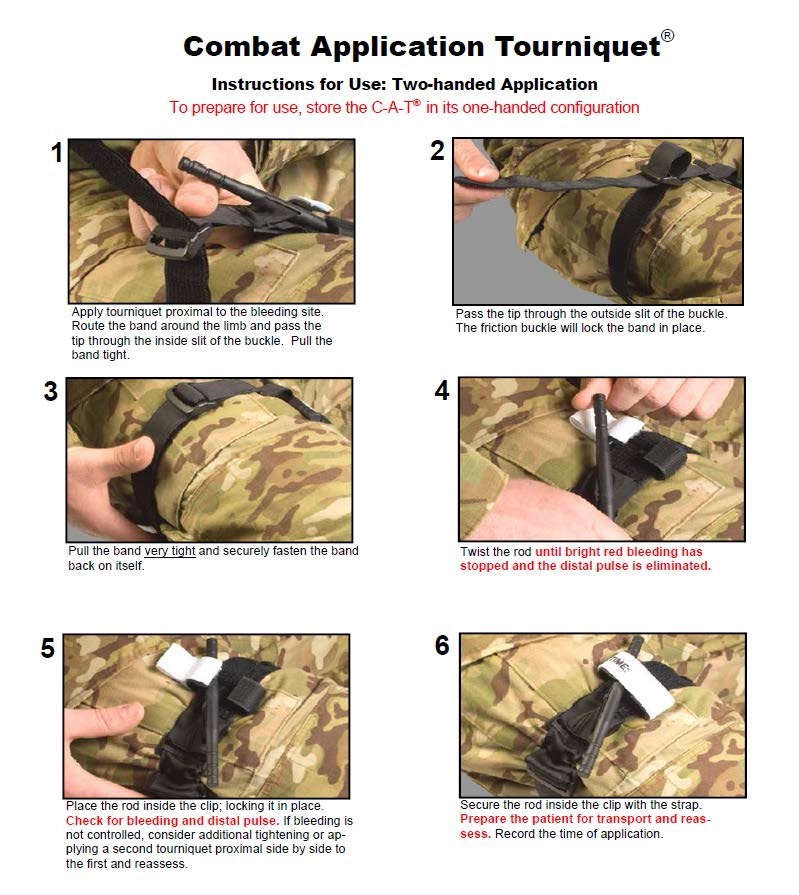
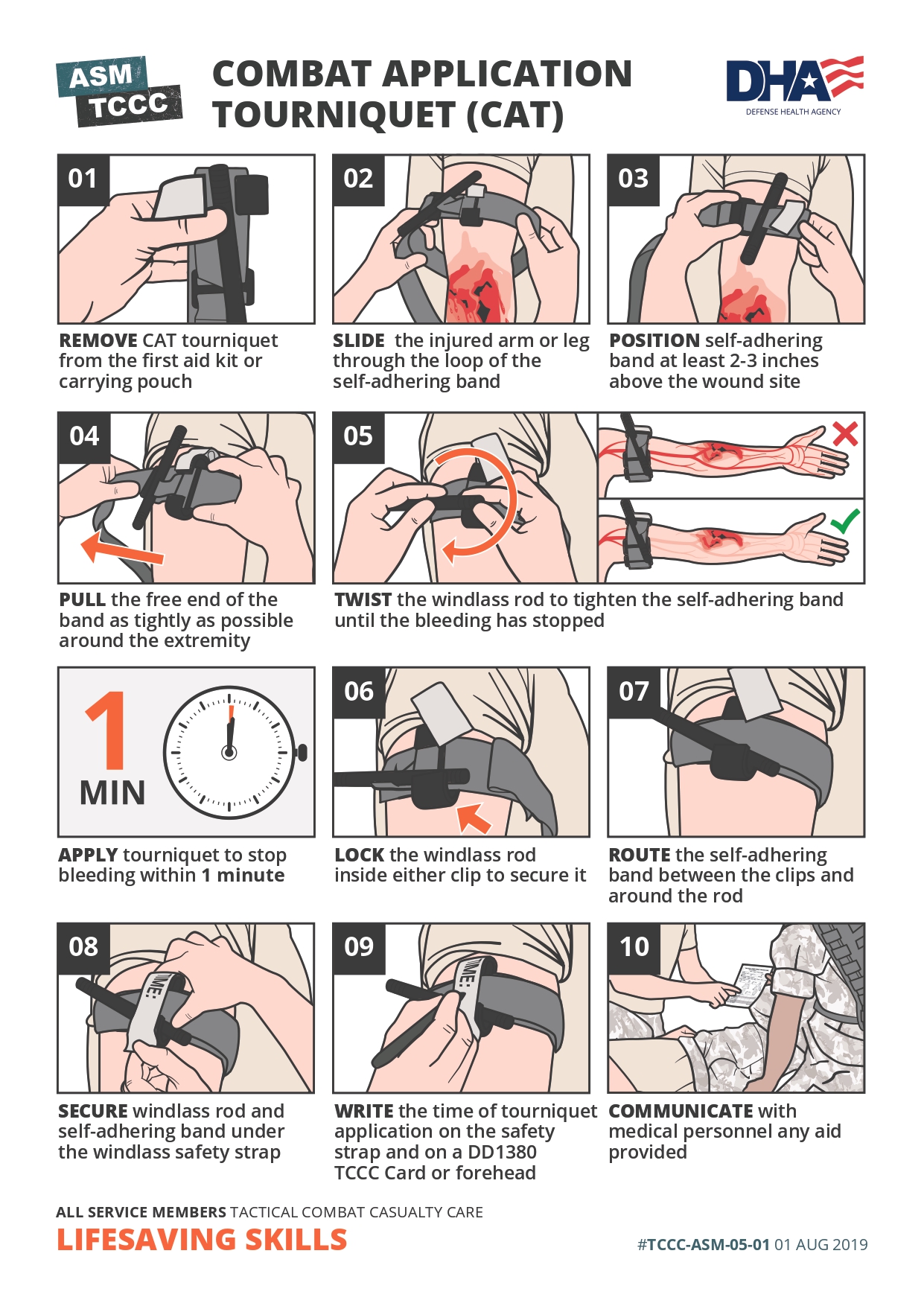
Applying a cat tourniquet correctly can save your pet’s life in an emergency. It stops heavy bleeding quickly. Follow simple steps to apply it safely and effectively. Keep calm and move carefully. The tourniquet must be tight enough to stop blood flow but not cause extra harm. Learn how to position, tighten, and secure the tourniquet properly for best results.
Positioning On The Limb
Place the tourniquet above the injury site. Choose a spot between the wound and the body. Avoid joints like knees or elbows. Find a firm area on the limb. This helps the tourniquet hold strong. Keep the tourniquet close to the body. The higher it is on the limb, the better it works.
Tightening Techniques
Pull the tourniquet strap tight. Use steady pressure to stop blood flow. Twist the rod or windlass if your tourniquet has one. Tighten until bleeding stops or slows greatly. Check to make sure the limb below is pale. Avoid loosening once tight. Too loose will not control bleeding.
Securing The Tourniquet
Lock the tourniquet in place with the built-in clip or strap. Make sure it does not slip or unwind. Tie any extra strap material to avoid catching on objects. Mark the time of application on the tourniquet. This helps vets know how long it has been on. Never remove the tourniquet without professional help.
Monitoring After Application
Monitoring after applying a CAT tourniquet is vital to ensure safety and effectiveness. This step helps prevent complications and ensures the tourniquet works properly. Careful observation and recording are key parts of post-application care.
Checking Circulation
Check circulation below the tourniquet often. Look for color changes in the skin. Pale or blue skin shows poor blood flow. Feel for warmth or coldness. Cold skin may mean circulation problems. Also, check for pulse if possible. No pulse means the tourniquet is tight enough. Do not loosen the tourniquet without expert advice.
Timing And Documentation
Note the exact time of tourniquet application. Timing helps medical staff plan treatment. Record this time clearly on the patient or in notes. Keep a watch or clock nearby. Update the time if adjustments happen. Proper documentation improves patient safety and care quality.
Common Mistakes To Avoid
Using a cat tourniquet correctly can save a pet’s life. Mistakes can cause harm or make the tool useless. Avoiding common errors ensures the tourniquet works well. Learn what to watch out for when applying a cat tourniquet.
Not Tightening The Tourniquet Enough
A loose tourniquet will not stop the bleeding. Tighten it firmly, but not too tight to cause extra injury. The goal is to cut off blood flow quickly and safely.
Leaving The Tourniquet On Too Long
Do not keep the tourniquet on for hours. It can damage the limb if left too long. Release it every 15 to 20 minutes if possible and re-tighten if bleeding continues.
Placing The Tourniquet Too Close To The Wound
Place the tourniquet 2 to 3 inches above the wound. Too close placement may not stop the bleeding. It also risks worsening the injury.
Using Improper Materials As A Tourniquet
Use only a proper cat tourniquet or similar device. Avoid ropes, belts, or fabric that can cut the skin or break. Proper materials reduce the risk of extra harm.
Failing To Monitor The Cat’s Condition
Keep an eye on the cat’s breathing and color after applying the tourniquet. Watch for signs of pain or distress. Immediate veterinary care is still needed after use.
Removing The Tourniquet Safely
Removing a cat tourniquet safely is very important. It helps avoid harm to your cat. The process must be slow and careful. Quick removal can cause blood flow problems or pain.
Learn the right steps to take off the tourniquet. Watch your cat’s reaction closely. Stop if you see signs of distress or discomfort.
Prepare Your Cat For Tourniquet Removal
Keep your cat calm and still. Speak softly and gently pet your cat. Use treats to keep your cat relaxed. A calm cat makes removal easier and safer.
Loosen The Tourniquet Gradually
Do not remove the tourniquet quickly. Slowly loosen the band bit by bit. Allow blood to flow back gradually. This reduces pain and prevents damage.
Monitor Your Cat’s Response
Watch your cat closely during removal. Look for signs like trembling or pulling away. If your cat reacts badly, pause and comfort it. Proceed only when your cat feels better.
Check The Limb After Removal
Once removed, check the limb carefully. Look for swelling, color changes, or coldness. These can show poor blood flow. Contact a vet if you notice any problems.

Credit: www.youtube.com
Training And Practice Tips
Training and practice are key to using a CAT tourniquet correctly. Proper skills help stop bleeding fast. Practice builds confidence and saves lives. You must train regularly to keep your skills sharp.
Practice makes the process quicker and smoother. Knowing the steps well reduces panic in emergencies. Use training to learn how to place and tighten the tourniquet properly.
Gather The Right Materials For Training
Start with a real CAT tourniquet or a good training model. Use a safe surface like a dummy arm or leg. Avoid practicing on yourself or others. Prepare scissors and gloves for a realistic practice session.
Learn The Correct Tourniquet Placement
Place the tourniquet above the injury, not on joints. Practice positioning it 2 to 3 inches above the wound. Make sure the strap is tight and secure. Repeat this step several times for muscle memory.
Practice Tightening And Securing The Tourniquet
Twist the windlass until bleeding stops or pulse disappears. Lock the windlass in place to keep pressure steady. Practice applying enough pressure without causing extra pain. Check your technique by feeling the pulse below the tourniquet.
Simulate Real-life Emergency Scenarios
Create practice drills with timed challenges. Pretend to treat different injuries and positions. This helps prepare for stress and unexpected conditions. Practice with a partner to get feedback and improve.
Review And Refresh Skills Regularly
Repeat training sessions every few months. Watch instructional videos to update your knowledge. Join workshops or first aid classes for hands-on guidance. Staying prepared means you can act fast when needed.
Frequently Asked Questions
What Is A Cat Tourniquet Used For?
A cat tourniquet stops severe bleeding by tightening around a cat’s leg or tail.
How Do I Apply A Cat Tourniquet Correctly?
Place the tourniquet above the injury, tighten until bleeding stops, and secure it firmly.
When Should I Remove A Cat Tourniquet?
Remove only under vet supervision to avoid serious damage or increased bleeding.
Can A Cat Tourniquet Cause Harm?
Yes, leaving it on too long may hurt tissues or cause pain.
How Long Can A Cat Tourniquet Stay On Safely?
Keep it on no longer than 1-2 hours before professional care.
Where Can I Buy A Cat Tourniquet?
Pet stores, online shops, or veterinary clinics usually sell cat tourniquets.
Conclusion
Using a cat tourniquet can save your pet’s life in emergencies. Apply it tightly above the wound to stop bleeding fast. Check the tightness often and loosen it only when help arrives. Practice the steps calmly to act quickly if needed.
Knowing how to use a tourniquet helps protect your cat from serious harm. Keep one handy and stay prepared for unexpected injuries. Your cat’s safety depends on quick and careful action.
As an Amazon Associate, I earn from qualifying purchases.