Are you wondering how young your cat can be neutered safely? Knowing the right time to neuter your kitten is important for their health and behavior.
You want to make sure your furry friend stays happy and healthy, but you might worry about doing it too soon. This article will help you understand when is the best age for neutering and what benefits it brings. Keep reading to learn everything you need to make the best choice for your cat’s future.
Ideal Age For Neutering
The ideal age for neutering a cat depends on various factors. Choosing the right time helps protect your cat’s health. It also controls the pet population effectively. Understanding the best age range can guide your decision.
Traditional Age Recommendations
Veterinarians often suggest neutering cats at six months old. This age allows cats to grow stronger before surgery. It also avoids early hormonal changes. Many shelters follow this guideline for safety reasons.
Early Age Neutering Benefits
Neutering cats as early as eight weeks old is safe. Early neutering stops unwanted litters quickly. It reduces the risk of certain health problems. Cats also recover faster from surgery at this age.
Risks Of Early Neutering
Some concerns exist about neutering very young cats. Early surgery may affect growth and development slightly. There is a small chance of complications during anesthesia. Discuss risks with your vet before deciding.
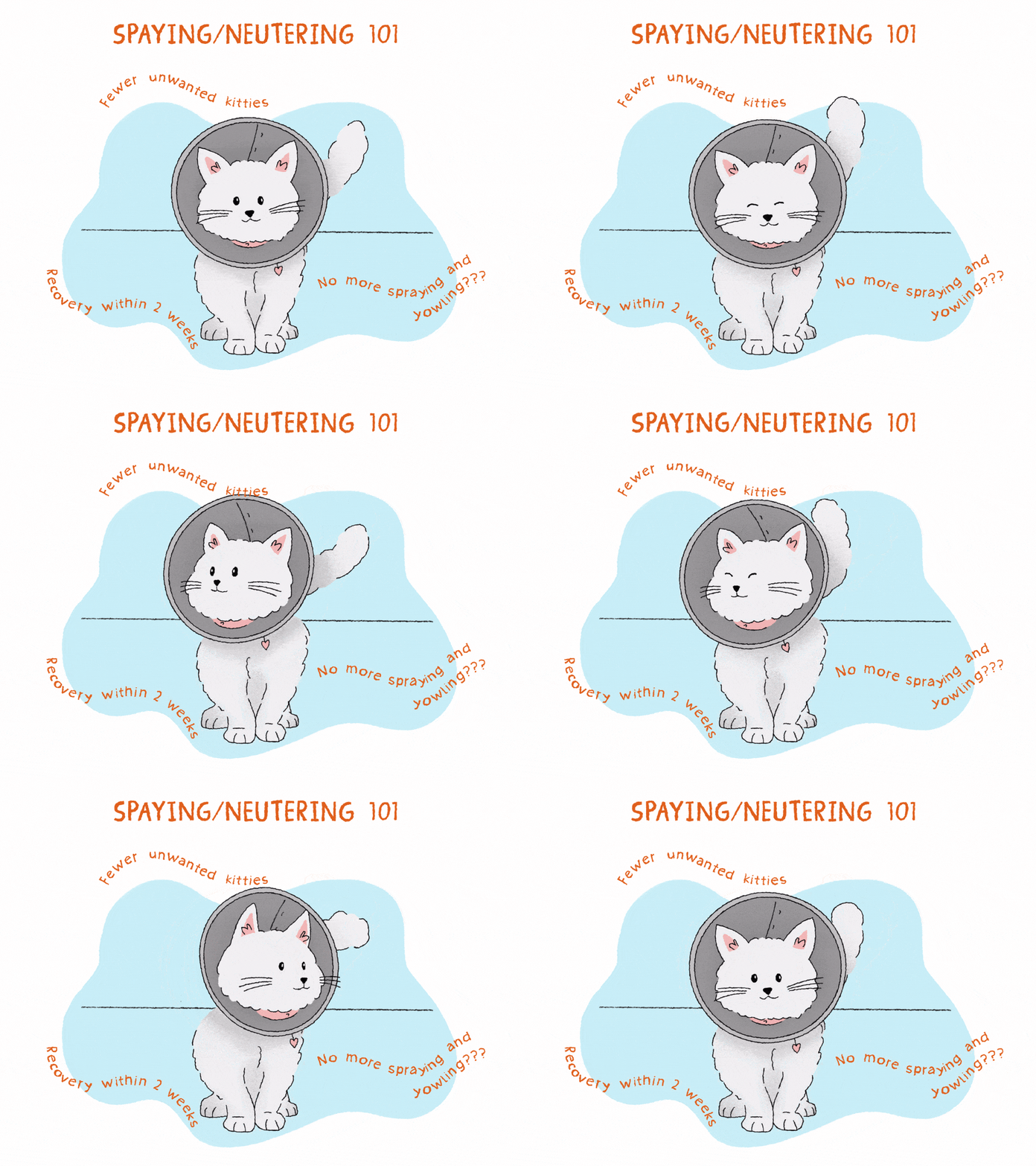
Credit: www.banfield.com
Health Impacts Of Neutering
Neutering a cat at a young age has important health effects. It can help prevent many health problems. Understanding these benefits helps pet owners make better choices for their cats.
Physical Health Benefits
Neutering lowers the risk of certain cancers. It stops testicular cancer in male cats. It also reduces the chance of prostate problems. In female cats, spaying prevents uterine infections and breast tumors. Early neutering supports a longer, healthier life for cats.
Behavioral Changes
Neutering changes some cat behaviors. It reduces spraying and marking territory. Cats become less aggressive and calmer. They are less likely to roam far from home. This lowers the risk of accidents and fights. Neutered cats often have a more relaxed personality.
Long-term Health Considerations
Neutering early may affect growth slightly. Bones may grow a bit longer but remain strong. It helps avoid diseases linked to hormones. Cats live healthier without the stress of reproduction. Regular vet checks ensure they stay in good shape after neutering.
Preparing Your Kitten For Surgery
Preparing your kitten for surgery is an important step for a smooth recovery. The right preparation helps reduce stress for both you and your pet. It also ensures the surgery goes safely and successfully.
Knowing what to do before the procedure can make a big difference. Careful attention to health, feeding, and choosing the right vet sets the stage for a good experience.
Pre-surgery Health Checks
Your kitten needs a full health check before surgery. The vet will examine their heart, lungs, and overall condition. This check helps spot any problems that could affect surgery. Blood tests may be done to ensure the kitten’s organs work well. Any signs of illness must be treated first. Healthy kittens handle surgery and anesthesia better.
Fasting And Care Instructions
Keep your kitten from eating before surgery. Usually, no food is allowed for 6 to 8 hours prior. Water may be allowed until a few hours before. Fasting reduces the risk of vomiting during anesthesia. Follow your vet’s specific care instructions closely. Prepare a quiet, warm space for your kitten to rest after surgery. Keep them calm and comfortable to help healing.
Choosing A Veterinarian
Pick a vet with experience in kitten neutering. Ask about their success rates and care methods. A skilled vet ensures the procedure is safe and pain-free. Check reviews and get recommendations from friends or pet groups. The right vet makes the whole process easier for your kitten and you.
Post-neutering Care
Post-neutering care is essential for your kitten’s quick recovery and health. After surgery, your cat needs gentle attention and a calm space. Proper care helps avoid infections and other problems. Watch your cat closely and follow these simple steps for the best recovery.
Recovery Tips
Keep your cat in a quiet, warm room. Limit movement to avoid stress on the surgery area. Check the incision daily for redness or swelling. Prevent your cat from licking or biting the wound. Use a cone collar if needed. Give all medicines prescribed by the vet on time. Offer fresh water and soft food to help healing.
Signs Of Complications
Look for unusual swelling or discharge from the incision. Watch for strong redness or bleeding. Notice if your cat seems very tired or refuses to eat. Check for vomiting or diarrhea. If your cat has trouble breathing or shows pain, contact your vet immediately. Early detection of problems keeps your cat safe.
Follow-up Appointments
Schedule a vet visit to check the healing progress. The vet will remove stitches if needed. Discuss any concerns about your cat’s behavior or healing. Follow all instructions given by the vet carefully. Regular check-ups ensure your cat stays healthy after neutering.
Myths And Facts About Neutering
Neutering cats is a common practice that helps control the pet population and improves health. Many people have questions and concerns about the right age for neutering. Myths often cause confusion and delay important decisions. Understanding facts is key to making the best choice for your cat’s well-being.
Common Misconceptions
Some believe cats should be older before neutering. Others think neutering causes weight gain or behavior problems. Some say early neutering affects growth or health negatively. These ideas often stop owners from neutering young cats. These are not true.
Scientific Evidence
Studies show neutering kittens as young as eight weeks is safe. Early neutering does not harm growth or cause health issues. It helps reduce the chance of some cancers and infections. Early neutering also lowers the risk of unwanted litters and behaviors like spraying.
Advice From Experts
Veterinarians recommend neutering before cats reach puberty. This usually happens around five to six months old. Some vets support neutering even earlier for shelter cats. They say early surgery is safe and helps pets live healthier lives. Talk to your vet about the best time for your cat.
:quality(75))
Credit: www.brigitteengenharia.com.br
Legal And Ethical Considerations
Neutering cats at a young age involves important legal and ethical questions. Understanding these helps pet owners make safe and responsible choices. Laws and welfare concerns guide the right timing for neutering. Communities also benefit when cats are neutered early.
Local Laws On Pet Neutering
Many places have rules about pet neutering. Some cities require cats to be neutered by a certain age. These laws aim to reduce stray cat populations. Fines or penalties may apply if owners do not follow these rules. Checking local laws is important before scheduling neutering.
Animal Welfare Concerns
Neutering young cats must be safe and humane. Vets recommend neutering after certain health checks. Early neutering can prevent unwanted litters and health issues. Stress and pain should be minimized during surgery. Ethical care means choosing the best time for each cat.
Community Benefits
Neutering young cats helps control stray populations. Fewer stray cats mean less disease and fewer accidents. Communities enjoy cleaner parks and neighborhoods. Neutered cats often live longer, healthier lives. Early neutering supports a safer environment for all pets.

Credit: www.gruponaimeg.com.br
Frequently Asked Questions
How Early Can A Kitten Be Neutered Safely?
Kittens can be neutered as early as 8 weeks old with proper health checks.
Why Neuter Cats At A Young Age?
Neutering young reduces unwanted litters and helps prevent health and behavior issues.
Does Early Neutering Affect A Kitten’s Growth?
Early neutering does not harm growth; kittens usually grow normally after surgery.
What Are The Benefits Of Neutering Before Six Months?
Neutering before six months lowers risks of some cancers and unwanted behaviors.
Can A Very Young Kitten Handle Anesthesia Safely?
Veterinarians use special care and doses to keep young kittens safe during anesthesia.
Is Recovery Faster For Kittens Neutered At A Young Age?
Yes, young kittens often heal quicker and have fewer complications after surgery.
Conclusion
Cats can be neutered safely at a young age. Vets often recommend neutering between 8 to 16 weeks old. Early neutering helps control pet populations and prevent health issues. Young cats recover quickly and face fewer risks. Always talk to your vet about the best timing for your cat.
Taking care of your pet’s health is important. Neutering early supports a long, healthy life for your cat. Keep your cat happy and safe with timely neutering. Simple steps make a big difference.
As an Amazon Associate, I earn from qualifying purchases.