If you own a horse trailer, you know how important it is to have reliable equipment that makes your life easier. A Hydraulic Horse Trailer Jack can be a game changer for you.
It helps you lift and stabilize your trailer smoothly and with less effort. Imagine being able to hook up or detach your trailer quickly, without straining your back or struggling with heavy manual jacks. You’ll discover why this tool is a must-have, how it works, and what to look for when choosing the perfect jack for your needs.
Keep reading to find out how you can make your trailer tasks safer and more efficient.

Credit: www.coolhorse.com
Benefits Of Hydraulic Horse Trailer Jacks
Hydraulic horse trailer jacks offer several key benefits that make trailer handling easier. These jacks use fluid power to lift heavy loads with less effort. They improve safety and provide lasting performance. Many horse owners choose hydraulic jacks for their reliability and ease of use.
Explore the main advantages below to understand why hydraulic jacks are a smart choice.
Effortless Lifting
Hydraulic jacks require less physical strength to lift trailers. The fluid system multiplies force, making heavy lifting simple. This feature reduces strain and fatigue for users. Lifting a horse trailer becomes smooth and quick. No need for excessive pushing or pulling.
Enhanced Safety
Hydraulic jacks offer better control during lifting and lowering. This control minimizes sudden drops or slips. The steady movement lowers risks of accidents or injuries. Safety locks or valves often prevent unintended lowering. Users can work with confidence around their trailers.
Durability And Longevity
These jacks are built to last under tough conditions. Quality materials resist rust, wear, and damage. The hydraulic system stays reliable over many uses. Regular maintenance keeps the jack working well for years. Investing in a hydraulic jack means fewer replacements and repairs.

Credit: www.rvupgradestore.com
Types Of Hydraulic Trailer Jacks
Hydraulic horse trailer jacks help lift and stabilize trailers with ease. They come in different types to meet various needs. Each type has unique features and power sources. Understanding these options can help you choose the right jack.
Manual Hydraulic Jacks
Manual hydraulic jacks use hand power to lift trailers. They have a simple pump handle you operate by hand. These jacks work well for small to medium trailers. They need some physical effort but are reliable and cost-effective. No batteries or electricity required.
Electric Hydraulic Jacks
Electric hydraulic jacks use a motor to lift trailers quickly. They connect to your vehicle’s power supply. Press a switch, and the jack lifts or lowers smoothly. These jacks save time and effort. Ideal for frequent users or larger trailers.
Battery-powered Options
Battery-powered hydraulic jacks run on rechargeable batteries. They offer cordless convenience and easy mobility. Perfect for locations without power access. These jacks combine power and portability. You can use them anywhere, anytime.
Key Features To Consider
Choosing the right hydraulic horse trailer jack is important for safety and ease. Key features help you pick a jack that fits your needs. Focus on weight capacity, lift height, mounting style, and material quality. These features ensure the jack works well and lasts long.
Weight Capacity
Weight capacity shows how much weight the jack can lift safely. Always choose a jack with a capacity higher than your trailer’s weight. This prevents accidents and damage. A strong jack keeps your horse trailer stable during use.
Lift Height
Lift height is how high the jack can raise your trailer. Check the height needed to fit your trailer’s tires or hitch. A taller lift height gives more room to work under the trailer. Make sure the jack reaches the height you need.
Mounting Style
Mounting style means how the jack attaches to your trailer. Some jacks bolt on, while others clamp or weld. Choose a style that fits your trailer’s design. Proper mounting keeps the jack secure and easy to use.
Material And Build Quality
Material affects strength and durability. Steel jacks are strong and last long. Look for rust-resistant coatings for outdoor use. A well-built jack handles rough use and weather without failing.
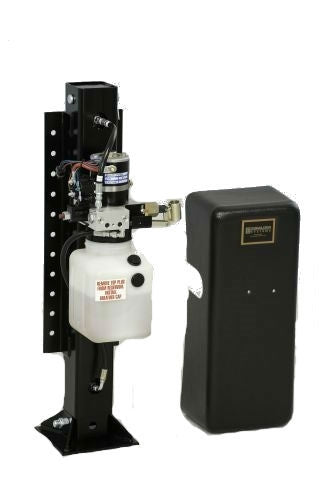
Credit: parts.leonardtrailers.com
Installation Tips
Installing a hydraulic horse trailer jack correctly is key for safety and ease of use. Proper installation helps the jack work smoothly and last longer. Follow these tips to set up your jack the right way.
Choosing The Right Location
Select a flat and stable spot on your trailer frame. This area must support the jack’s weight and pressure. Avoid spots near wiring or plumbing. Place the jack where it can lift the trailer without obstruction.
Securing The Jack Properly
Use heavy-duty bolts to attach the jack firmly. Tighten all bolts evenly to prevent wobbling. Check for any movement after installation. The jack should feel solid and steady when in use.
Tools Required
Gather a wrench set, drill, and measuring tape. Use a level to ensure proper alignment. Safety gloves and goggles protect you during installation. Having the right tools makes the job easier and safer.
Maintenance And Troubleshooting
Maintaining a hydraulic horse trailer jack is key to keeping it reliable and safe. Regular care helps prevent breakdowns and costly repairs. Troubleshooting simple issues early can save time and effort.
This section covers essential maintenance tips and common problems. Follow these guidelines to keep your jack working smoothly.
Regular Inspection
Check the jack for any visible damage or wear. Look for cracks, rust, or loose parts. Tighten bolts and screws as needed. Inspect the jack’s base for stability. Make sure the handle moves freely without resistance.
Hydraulic Fluid Checks
Hydraulic fluid keeps the jack operating smoothly. Check the fluid level often. Low fluid can cause poor performance or failure. Use the recommended type of hydraulic oil. Change the fluid if it looks dirty or cloudy. Avoid overfilling the reservoir to prevent leaks.
Common Issues And Fixes
The jack may fail to lift or hold weight. This often means low hydraulic fluid or air in the system. Bleed the air by pumping the handle several times. If leaking occurs, inspect seals and replace damaged ones. A stiff handle usually needs lubrication. Regular cleaning stops dirt from causing problems.
Top Brands And Models
Choosing the right hydraulic horse trailer jack is important for safety and ease. Many brands offer reliable and strong models. Each brand has unique features and price points. This section explores top brands and models to help you decide.
Popular Choices
Some brands stand out for quality and trust. Lippert and Bulldog are common favorites. Lippert offers easy-to-use jacks with smooth hydraulic action. Bulldog jacks are known for durability and strong build. Both brands have models suited for most trailers.
Budget-friendly Options
Affordable jacks do not always mean poor quality. Powermate and Camco provide good options at lower prices. These jacks work well for light to medium trailers. They offer solid performance without extra features. Ideal for those who want value and reliability.
Premium Models
High-end jacks come with advanced features and greater strength. Titan and Fulton offer premium hydraulic trailer jacks. These models provide higher lifting capacity and smoother operation. They include corrosion-resistant materials for longer life. Perfect for heavy trailers or frequent use.
Safety Practices While Using Hydraulic Jacks
Using a hydraulic horse trailer jack safely is very important. It helps prevent accidents and damage to your trailer or equipment. Knowing the right safety steps keeps you and your horses safe during lifting tasks. Follow these simple safety practices to use the jack properly and avoid risks.
Proper Lifting Techniques
Place the jack on a flat, stable surface before lifting. Check that the trailer is secure and won’t move. Use slow, steady pressure on the jack handle. Avoid sudden or fast movements to keep balance. Stop lifting if you feel any unusual resistance or noise. Always lift the trailer only as high as needed.
Avoiding Overloading
Check the jack’s weight limit before use. Never lift more weight than the jack can handle. Overloading can cause the jack to fail or break. Spread the load evenly to keep the trailer balanced. Use additional support stands if needed for extra safety. Regularly inspect the jack for wear and tear that may weaken it.
Emergency Precautions
Keep a phone nearby in case of emergencies. Know how to quickly lower the jack if needed. Wear gloves to protect your hands during use. Avoid standing under the trailer while it is lifted. Keep children and pets away from the working area. Have a fire extinguisher nearby if the jack uses hydraulic fluid.
Comparing Hydraulic Jacks With Other Lifting Methods
Hydraulic jacks are popular for lifting horse trailers safely and smoothly. They use fluid power to lift heavy loads with less effort. Other lifting methods exist, each with their own benefits and limits. Comparing these can help choose the best tool for your needs.
Mechanical Jacks
Mechanical jacks use gears and screws to lift weight. They need physical effort to operate. These jacks work well for light loads but can be hard to use for heavy trailers. They are usually smaller and cheaper. Mechanical jacks do not require power but take more time and strength.
Electric Winches
Electric winches use motors to pull or lift loads. They are fast and require little effort. These winches often need a power source, like a battery or outlet. They work well for lifting heavy trailers but can be expensive. Electric winches offer good control but may need more maintenance.
Manual Crank Jacks
Manual crank jacks use a handle to raise or lower a trailer. They are simple and easy to fix. These jacks need physical strength and can take time. They are usually affordable and good for occasional use. Manual crank jacks are reliable but less convenient for heavy or frequent lifting.
Frequently Asked Questions
What Is A Hydraulic Horse Trailer Jack?
A hydraulic horse trailer jack lifts and supports trailers using fluid power for easy height adjustment.
How Does A Hydraulic Jack Improve Horse Trailer Safety?
It provides stable support and smooth lifting, reducing accidents during trailer hitching and unhitching.
Can I Install A Hydraulic Jack On Any Horse Trailer?
Most trailers can fit a hydraulic jack, but check compatibility with your trailer model first.
What Maintenance Does A Hydraulic Horse Trailer Jack Need?
Regularly check fluid levels, clean parts, and inspect for leaks to keep it working well.
How Much Weight Can A Hydraulic Horse Trailer Jack Lift?
These jacks typically lift between 2,000 to 7,000 pounds depending on the model and design.
Why Choose Hydraulic Jacks Over Manual Jacks For Trailers?
Hydraulic jacks require less effort and offer smoother, faster lifting than manual jacks.
Conclusion
A hydraulic horse trailer jack makes lifting easier and safer. It saves time and reduces physical effort. This tool helps keep your trailer stable during loading. Many users find it reliable and long-lasting. Choosing the right jack ensures smooth travel with your horse.
Maintenance is simple and keeps it working well. A good hydraulic jack adds value to your trailer setup. Consider one to improve your horse transport experience.
As an Amazon Associate, I earn from qualifying purchases.