Are you wondering what an IM horse injection is and why it matters for your horse’s health? Understanding how these injections work can make a big difference in keeping your horse strong and comfortable.
Whether you’re a seasoned horse owner or just starting out, knowing the right way to handle IM injections will give you confidence and peace of mind. Keep reading to discover everything you need to know about IM horse injections and how they can benefit your horse’s well-being.
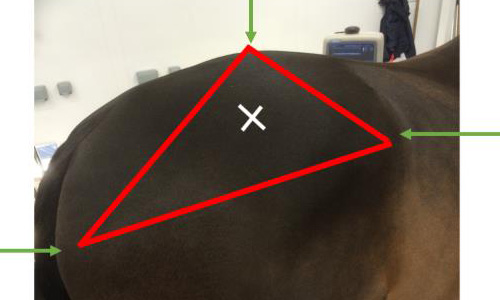
Credit: www.rvc.ac.uk
Choosing The Right Injection
Choosing the right injection for your horse is essential for safety and effectiveness. Different types of injections serve different purposes. Using the correct needle and syringe helps deliver the medicine properly. This section explains how to pick the best injection method and tools for your horse’s needs.
Types Of Injections For Horses
There are several types of injections for horses. Intramuscular (IM) injections go into the muscle. They are common for vaccines and medications. Subcutaneous (SC) injections go under the skin. These are used for slower absorption. Intravenous (IV) injections deliver medicine directly into the vein. This method works fast. Each type has its own uses and benefits.
Selecting The Proper Needle And Syringe
The needle size depends on the injection type and horse size. Longer needles suit IM injections to reach deep muscles. Shorter needles are best for SC injections. Syringe size depends on the medicine amount. Always use clean, sterile needles and syringes. Change needles after each injection to avoid contamination. Choosing the right tools makes injections safer and more effective.
Credit: erskinedvm.com
Preparing For Injection
Preparing for an IM horse injection is important for a smooth and safe process. Proper preparation helps avoid mistakes and keeps your horse comfortable. It also reduces the risk of infection and injury. Follow clear steps to get ready.
Gathering Necessary Supplies
Collect all supplies before starting the injection. You need a sterile syringe and needle. Have the medication ready, along with alcohol swabs. Keep a clean cloth nearby. Gloves are important to protect your hands. Arrange everything on a clean surface. This saves time and makes the process easier.
Hygiene And Safety Precautions
Wash your hands well with soap and water. Wear disposable gloves to keep things clean. Clean the injection site on the horse with an alcohol swab. Use a new swab for each injection. Avoid touching the needle or syringe tip. Dispose of used needles safely in a sharps container. Keep the horse calm and still during the injection. Cleanliness prevents infection and helps the horse heal faster.
Administering The Injection
Administering an IM horse injection requires care and precision. It is important to prepare both the horse and yourself for the process. Proper technique helps prevent injury and ensures the medication works well. Understanding the right sites and steps makes the process smooth. Handling a nervous or difficult horse needs extra patience and skill.
Proper Injection Sites
The neck muscle is the most common site for IM horse injections. It has large muscles and fewer nerves. Avoid the spine and large blood vessels. The pectoral muscles in the chest are another option. The gluteal muscles in the hindquarters can be used, but with caution. Proper site choice reduces pain and risks.
Step-by-step Injection Process
Clean your hands and wear gloves. Use a new, sterile needle and syringe. Wipe the injection site with alcohol to clean the skin. Hold the horse’s skin firmly between your fingers. Insert the needle at a 90-degree angle to the muscle. Pull back the plunger slightly to check for blood. Inject the medication slowly if no blood appears. Remove the needle and gently massage the area. Dispose of the needle safely in a sharps container.
Handling Difficult Horses
Stay calm and speak softly to your horse. Use a halter and lead rope for control. Ask someone to help hold the horse if needed. Move slowly to avoid startling the animal. Reward your horse with a treat after the injection. Take breaks if the horse becomes restless. Patience helps reduce stress for both you and the horse.

Credit: benefabproducts.com
Post-injection Care
Post-injection care is important for horses after an intramuscular (IM) injection. Proper care helps avoid problems and keeps your horse healthy. It ensures the medicine works well and the horse stays comfortable.
Watching your horse closely after the injection is key. Small issues can be caught early and treated quickly. Taking care of the injection site prevents swelling and pain. Both steps support quick recovery.
Monitoring For Reactions
Check your horse often for any signs of bad reactions. Look for swelling, heat, or redness where the injection was given. Notice if the horse acts tired or shows signs of pain. A fever or loss of appetite may also mean a reaction.
Report any unusual signs to a vet right away. Early action can stop problems from getting worse. Keep a close eye for at least 24 hours after the injection. This time is most important for spotting issues.
Managing Injection Site
Keep the injection site clean and dry. Avoid touching or rubbing the area too much. Use a clean cloth to gently check for swelling or lumps. Cold packs can help reduce pain and swelling if needed.
Do not apply creams or ointments unless your vet says so. Let the site heal naturally to avoid infections. Keep your horse calm and limit exercise for a day or two. This helps the muscle recover without extra strain.
Common Mistakes To Avoid
Injecting a horse can seem simple but many make common mistakes. These errors may cause pain or infection. Avoiding them helps keep horses safe and healthy.
Proper technique is key to effective and safe injections. Pay close attention to the steps before, during, and after injecting.
Dos And Don’ts During Injection
Do clean the injection site with alcohol before injecting. Do use a new, sterile needle for each injection. Do inject in the correct muscle area to avoid injury.
Don’t inject too fast or too deep. Don’t reuse needles or syringes. Don’t inject into swollen or infected areas. Don’t rush the process; take your time.
Signs Of Improper Technique
Swelling or heat at the injection site signals a problem. Lameness or pain after injection is a warning sign. Abscess formation means infection likely occurred. Look for unusual behavior or discomfort from the horse.
Recognizing these signs early prevents bigger health issues. Always observe your horse closely after every injection.
Tips For Reducing Stress
Stress can affect a horse’s health and behavior during IM horse injections. Reducing stress helps the horse stay calm and makes the process smoother. Simple steps can create a safer and more relaxed experience for both the horse and handler.
Understanding how to reduce stress is key to better care and easier injections.
Calming Techniques For Horses
Speak softly to the horse before and during the injection. A gentle voice lowers tension. Slow, steady movements avoid sudden scares. Offer a treat or gentle stroke to comfort the horse. Deep, calm breathing by the handler can also help the horse relax. These techniques make the horse feel safer and less nervous.
Creating A Comfortable Environment
Choose a quiet, familiar place for the injection. Avoid loud noises and sudden movements nearby. Good lighting helps the handler see clearly and prevents mistakes. Keep the area clean and free from distractions. A calm environment lets the horse focus less on the injection and more on feeling safe. This reduces stress and improves cooperation.
Frequently Asked Questions
What Is An Im Horse Injection?
An IM horse injection is a shot given into a horse’s muscle to deliver medicine.
Why Use Im Injections For Horses?
IM injections work fast and deliver medicine directly to muscles for quick effect.
How To Prepare A Horse For Im Injection?
Calm the horse, clean the injection site, and gather all needed supplies carefully.
What Are Common Sites For Im Horse Injections?
Neck muscles, hindquarters, and chest are common spots for IM horse shots.
How To Reduce Pain During Horse Im Injections?
Use a clean needle, insert quickly, and inject slowly to minimize horse discomfort.
Can Im Injections Cause Side Effects In Horses?
Yes, side effects like swelling or soreness may happen but usually go away soon.
Conclusion
IM horse injections are helpful for treating joint issues in horses. They reduce pain and improve movement quickly. Proper injection technique is important to avoid problems. Always follow a vet’s advice for safety. Regular care can keep horses healthy and active.
Understanding how IM injections work helps owners support their horses better. Simple steps make a big difference in treatment success. Keep your horse comfortable and strong with the right care.
As an Amazon Associate, I earn from qualifying purchases.