If you own or care for horses, you know how important their health is to you. Sometimes, giving your horse an injection is the best way to help them recover quickly and stay strong.
But how do you give an intramuscular horse injection safely and effectively? Understanding the right technique can make a big difference in your horse’s comfort and healing process. You’ll discover simple steps and expert tips that will boost your confidence and ensure you’re doing the best for your horse.
Keep reading to learn everything you need to know about intramuscular horse injections.
Choosing Injection Sites
Choosing the right site for intramuscular horse injections is important. It helps the medicine work well and keeps the horse safe. The site must have enough muscle and be easy to reach. Avoid areas near bones, nerves, or large blood vessels. Clean the skin before injecting to prevent infection.
Different muscles serve different purposes for injections. Some muscles absorb medicine faster. Others cause less pain or swelling. Knowing the best spot helps in giving the injection smoothly.
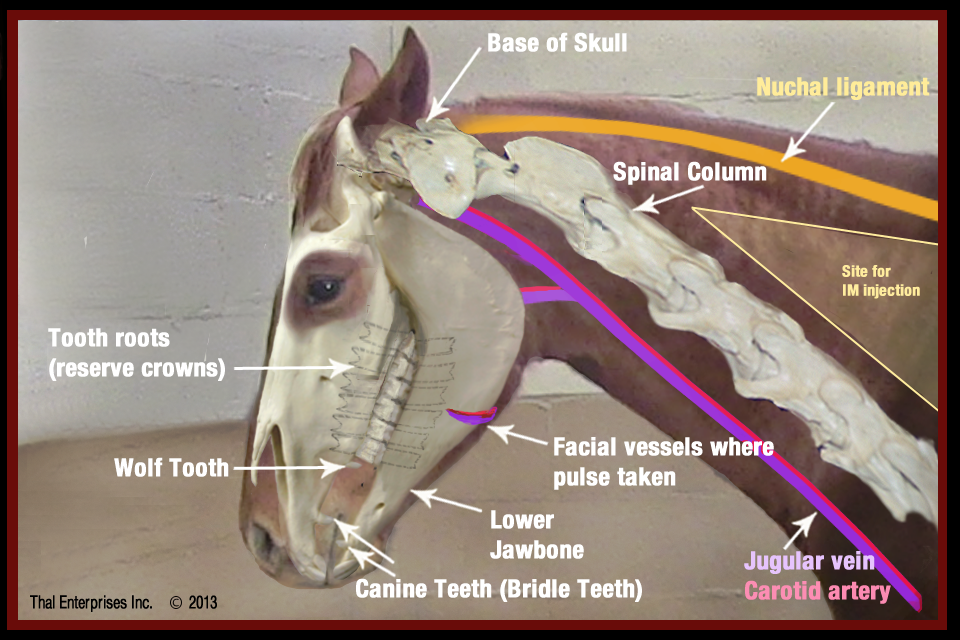
Neck Muscles
The neck muscles are the most common injection site. They have thick muscle layers. This area is easy to reach and control the horse. Avoid the spine and large blood vessels. The upper part of the neck is safer for injections. It causes less stress to the horse.
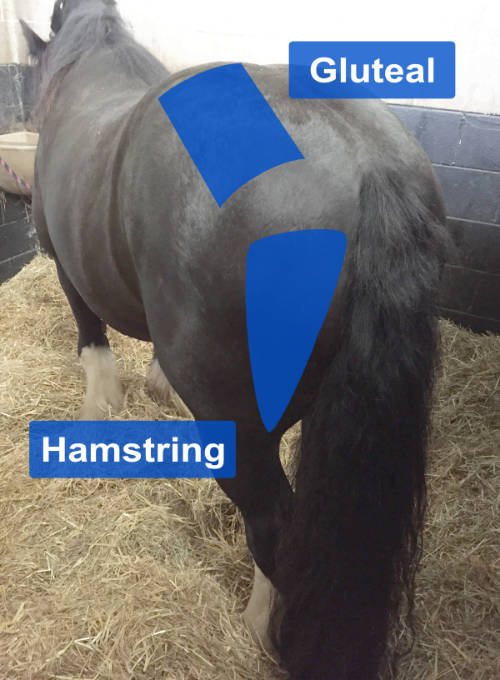
Gluteal Muscles
The gluteal muscles are strong and large. They are good for larger volume injections. This site is harder to reach but absorbs medicine well. Avoid the sciatic nerve located in this area. Use caution and proper technique to prevent injury.
Pectoral Muscles
The pectoral muscles are smaller and less common for injections. They work well for small doses. This site is below the chest, near the front legs. Be careful to avoid sensitive areas. It is useful for quick absorption and less muscle damage.
Credit: wvs.academy
Preparing For Injection
Preparing a horse for an intramuscular injection is an important step. Proper preparation helps ensure the injection is safe and effective. It reduces stress for both the horse and the handler. Taking time to prepare carefully can prevent mistakes and injuries.
Gathering Supplies
Collect all materials before starting the injection. You will need a clean syringe, the correct needle size, and the medication. Have alcohol wipes or a disinfectant ready for cleaning. Keep a sharps container nearby for used needles. Organize supplies on a clean surface for easy access.
Sanitizing Equipment
Clean the injection site with an alcohol wipe. This removes dirt and bacteria from the skin. Use a new wipe for each injection area. Sanitize your hands or wear disposable gloves. Avoid touching the needle or injection site after cleaning.
Restraint Techniques
Secure the horse to prevent sudden moves. Use a halter and lead rope for control. Have an assistant hold the horse if possible. Stand on the horse’s left side for easier access. Speak softly to keep the horse calm and still.
Injection Techniques
Giving an intramuscular injection to a horse needs care and skill. The right technique helps the medicine work well. It also keeps the horse safe and calm. Using the correct steps reduces pain and injury.
Below are key points about injection techniques. These tips guide you through the process clearly and safely.
Needle Selection
Choose a needle that suits the horse’s size and muscle. Needles usually measure 1 to 1.5 inches long. Gauge size ranges from 18 to 22. Bigger needles work for thick medicines. Smaller needles cause less pain.
Always use a new, sharp needle. Dull needles can hurt the horse more. Check the needle for damage before use.
Proper Angle And Depth
Insert the needle at a 90-degree angle to the muscle. This angle helps the medicine reach deep muscle tissue. Push the needle gently but firmly. Avoid going too shallow or too deep.
Depth depends on the muscle size and horse’s build. Aim for firm muscle, not fat or bone. Feeling the muscle before injection helps find the right spot.
Administering The Medication
Draw the correct medicine dose into the syringe. Remove air bubbles by tapping the syringe gently. Clean the injection site with alcohol before injecting.
Insert the needle smoothly. Pull back the plunger slightly to check for blood. If blood appears, remove the needle and try a new spot.
Push the plunger slowly to inject the medicine. Withdraw the needle quickly and apply gentle pressure. Watch the horse for any reaction after the injection.
Post-injection Care
Post-injection care is important for your horse’s health and comfort. Proper care helps prevent infections and other problems. It also ensures the injection works well. Paying attention after the injection keeps your horse safe and happy.
Monitoring For Reactions
Watch your horse closely after the injection. Look for swelling, heat, or redness at the injection site. Notice any changes in behavior like limping or soreness. Early detection of reactions helps you act quickly. Call a vet if you see unusual signs.
Handling Injection Site
Keep the injection area clean and dry. Avoid touching or rubbing the spot too much. Use a clean cloth to gently check the site each day. Do not apply creams or ointments unless the vet says so. Proper care prevents infections and speeds healing.
Recording The Procedure
Write down the date and time of the injection. Note the medicine name and dosage given. Record the injection site and any reactions you observe. Keeping a log helps track your horse’s treatments. This information is useful for future vet visits.
Common Mistakes To Avoid
Giving an intramuscular injection to a horse needs care and skill. Many errors can cause pain or harm the horse. Avoiding common mistakes helps keep your horse safe and healthy. Here are some key mistakes to watch out for.
Incorrect Site Selection
Choosing the wrong injection site can hurt the horse. The neck muscle is often the safest area. Avoid areas near bones or large blood vessels. Injecting in the wrong place can cause swelling or nerve damage. Always learn the correct spots before starting.
Improper Needle Use
Using the wrong needle size or type can cause problems. Needles that are too short may not reach the muscle. Too long needles can hit unwanted areas. Reusing needles spreads infection and dulls the tip. Change needles often and pick the right size for your horse.
Poor Hygiene Practices
Cleanliness matters a lot during injections. Dirty hands or equipment can cause infections. Always wash your hands well before handling the needle. Use alcohol to clean the injection site and needle. Avoid touching the needle tip before injection to keep it sterile.
Credit: erskinedvm.com
Safety Tips For Handlers
Handling a horse during an intramuscular injection requires care and attention. Safety matters for both the horse and the handler. Simple steps can reduce risks and keep the process smooth.
Understanding the right safety tips helps avoid injuries and stress. Proper preparation makes injections safer and easier for everyone involved.
Protective Gear
Wear sturdy gloves to protect your hands from needles. Long sleeves protect your arms from scratches and dirt. Closed-toe shoes prevent foot injuries from accidental stepping. Safety glasses shield your eyes from unexpected movements. Always keep your gear clean and ready before starting.
Safe Horse Handling
Stay calm and confident around the horse. Approach the horse slowly and speak softly. Hold the horse’s head gently but firmly to control movements. Position yourself at the horse’s shoulder, not directly behind or in front. Avoid sudden movements or loud noises to prevent spooking.
Emergency Preparedness
Have a first aid kit nearby for both handler and horse. Know how to stop bleeding or clean wounds. Keep a phone close to call for help if needed. Learn basic horse behavior signs that indicate stress or pain. Always work with a second person present for extra safety.
Credit: horsesidevetguide.com
Frequently Asked Questions
What Is An Intramuscular Horse Injection?
It is a shot given deep into a horse’s muscle to deliver medicine quickly.
Why Use Intramuscular Injections For Horses?
They help medicine absorb faster than under the skin or in the vein.
How To Prepare A Horse For An Intramuscular Injection?
Clean the injection spot and keep the horse calm and still.
Where Is The Best Site For Horse Intramuscular Injection?
Common spots are the neck muscles and the hindquarters, away from bones.
What Are Common Risks Of Intramuscular Horse Injections?
Soreness, swelling, or small lumps can happen but usually go away fast.
How Often Can Horses Receive Intramuscular Injections Safely?
Follow your vet’s advice, usually no more than once daily in the same area.
Conclusion
Giving a horse an intramuscular injection needs care and skill. Choose the right spot to avoid hurting the horse. Use clean needles and follow safety steps every time. Watch the horse after the injection for any problems. Learning these basics helps keep horses healthy and safe.
Taking time and being gentle makes the process smooth. Always ask a vet for advice if unsure. This keeps your horse comfortable and well cared for.
As an Amazon Associate, I earn from qualifying purchases.