If you own a mini horse, you know how important it is to keep them comfortable and safe. One thing you might not have thought about is protecting their hooves from pesky flies.
Mini horse fly boots are designed just for that. These boots can help stop flies from bothering your horse’s legs, preventing irritation and infections. Curious how these boots work and why they’re a must-have for your mini horse? Keep reading to discover everything you need to know to keep your little friend happy and healthy.
Benefits Of Mini Horse Fly Boots
Mini horse fly boots offer many benefits for your horse’s comfort and health. These boots protect delicate areas from insects and help keep your horse calm. They are easy to use and provide lasting protection during warm months.
Using fly boots helps maintain your horse’s well-being and prevents common problems caused by flies and bugs. Their design focuses on both protection and comfort, making them a smart choice for horse owners.
Preventing Insect Bites
Mini horse fly boots create a barrier between flies and your horse’s legs. They stop bites that can cause pain and discomfort. Protecting legs from bites helps avoid infections and keeps your horse happier.
Reducing Irritation And Swelling
Insect bites often lead to itching and swelling. Fly boots reduce this irritation by blocking bugs from landing. Less irritation means your horse stays calm and moves comfortably without constant itching.
Promoting Hoof Health
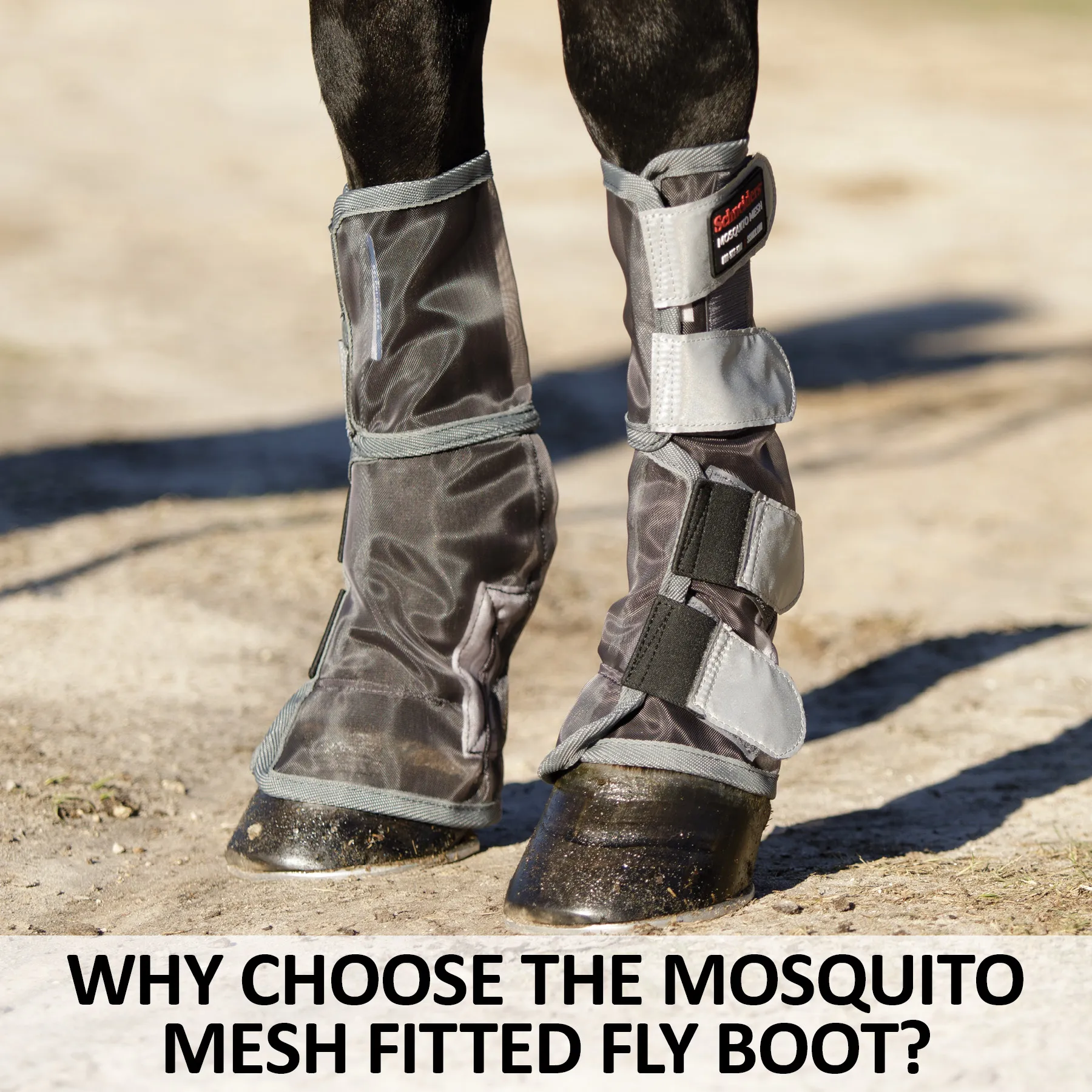
Fly boots protect sensitive areas around the hooves from flies and dirt. This protection helps prevent infections and hoof damage. Healthy hooves support better movement and overall horse health.
Credit: www.backseatmafia.com
Features To Look For
Choosing the right mini horse fly boots means knowing what features matter most. These boots protect tiny horse legs from flies and other pests. Some boots are better built and fit better than others.
Focus on the material, how well the boots last, and the comfort they offer. Fit is key too. A good fit keeps the boots from slipping off or hurting the horse.
Material And Durability
Look for boots made of strong, tear-resistant fabric. Nylon and neoprene often work well. They resist bites and scratches. Durable boots save money and keep your horse safe longer.
Adjustable Straps And Fit
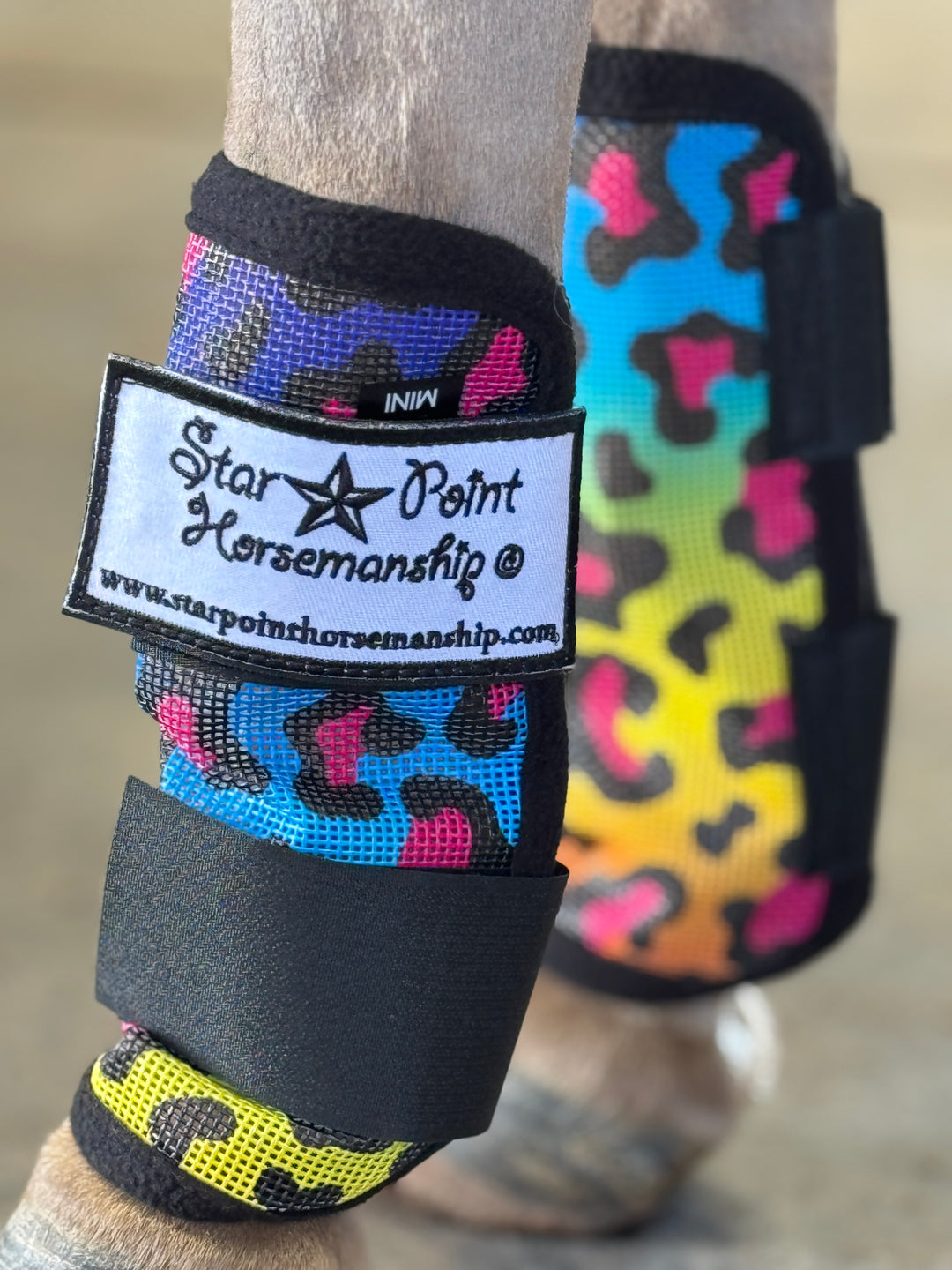
Straps should adjust easily for a snug fit. Velcro straps are common and simple to use. Boots that fit well stay on during play and work. Avoid boots that are too tight or loose.
Breathability And Comfort
Good boots allow air to flow inside. Breathable materials stop the horse’s legs from getting too hot. Soft linings prevent rubbing and sores. Comfortable boots help horses move freely.
Choosing The Right Size
Choosing the right size for mini horse fly boots is very important. Boots that fit well protect your horse’s hooves and keep bugs away. Boots that are too tight or loose cause discomfort and can lead to injuries. Take time to measure and fit the boots carefully. This ensures your mini horse stays happy and healthy.
Measuring Your Mini Horse’s Hooves
Use a soft tape measure to find hoof width and length. Measure the widest part of the hoof. Measure from the heel to the toe tip. Take measurements on all four hooves. Sizes may vary slightly between hooves. Write down each measurement for easy reference. Check the boot size chart before buying. Choose boots that match your measurements closely. Allow a little room for growth and movement.
Avoiding Common Fit Issues
Do not pick boots too tight. Tight boots cause pain and cuts. Avoid boots that are too loose. Loose boots can slip off or cause blisters. Check boots for gaps or pressure spots. Make sure boots stay on firmly but feel comfortable. Replace worn boots promptly. Regularly inspect boots for fit as your mini horse grows or changes. Correct size boots help prevent hoof problems and improve your horse’s comfort.
Credit: starpointhorsemanship.com
How To Properly Use Fly Boots
Using mini horse fly boots correctly helps protect your horse’s legs from flies. These boots provide comfort and prevent irritation. Proper use extends their life and keeps your horse happy.
Putting Them On And Taking Them Off
Start by gently cleaning your horse’s legs. Make sure the skin is dry before putting on the boots. Wrap each boot snugly around the leg. Fasten the straps without making them too tight. Check for any pinching or discomfort. To take them off, undo the straps carefully. Remove the boots slowly to avoid hurting the horse.
Daily Care And Maintenance
After use, clean the boots with a soft brush or cloth. Remove dirt and hair to keep them fresh. Allow the boots to dry completely before storing. Check for damage or wear daily. Replace boots if they lose their shape or straps break. Proper care helps the boots last longer and work better.
Comparing Fly Boots To Other Fly Protection
Mini horse fly boots offer a unique way to protect your horse from flies. They cover the legs and stop bites that cause pain and irritation. Comparing fly boots to other fly protection helps you choose the best option for your horse’s needs.
Each method works differently. Some protect certain parts of the horse, while others cover more areas. Understanding these differences can help you keep your horse comfortable and safe during fly season.
Fly Sprays Vs. Fly Boots
Fly sprays are easy to apply and cover the whole body. They work by repelling flies with chemicals. Sprays need frequent reapplication, especially after rain or sweat. Some horses may react to sprays and get skin problems.
Fly boots protect only the legs but last longer. They do not use chemicals and cause no skin issues. Boots can be worn all day and provide a physical barrier against flies. They are easy to clean and reuse.
Fly Masks And Sheets
Fly masks protect the horse’s face and eyes. They stop flies from biting sensitive areas. Masks do not cover the legs or body. Fly sheets cover the horse’s body and sometimes the neck. They keep flies off the skin and reduce irritation.
Fly boots focus on leg protection, which masks and sheets cannot cover well. Boots offer extra defense in areas most prone to biting. Using boots with masks or sheets can give full-body protection.

Credit: kensingtonproducts.com
Customer Experiences And Tips
Many mini horse owners share their experiences with fly boots. They offer helpful tips and advice. These insights can guide new buyers and users. Learning from others helps avoid common problems. It also improves the comfort and protection of the boots for horses.
Common Challenges And Solutions
Some owners find it hard to keep boots on small hooves. The boots may slip or cause rubbing. Choosing the right size is key. Measure the hooves before buying. Applying gentle padding inside can prevent chafing.
Boots can get dirty or sticky after outdoor use. Cleaning them regularly keeps the material soft and flexible. Use mild soap and water, then air dry. Avoid harsh chemicals that can damage the boots.
Some horses resist wearing boots at first. Gradual introduction helps. Let the horse sniff and touch the boots before putting them on. Reward calm behavior with treats or praise. Practice short wear times, then increase slowly.
Success Stories From Owners
Many owners report fewer fly bites and less irritation. Their horses stay calmer during fly season. Some say their mini horses walk more comfortably on rough ground.
One owner noticed their horse’s hooves stayed cleaner and healthier. The boots blocked dirt and mud effectively. Another shared how their horse enjoyed wearing boots without fuss.
Positive experiences often come from choosing quality boots and proper fit. Owners who follow care tips see longer boot life. These stories inspire others to try fly boots for their minis.
Frequently Asked Questions
What Are Mini Horse Fly Boots Used For?
Mini horse fly boots protect a horse’s legs from flies and insects.
How Do Mini Horse Fly Boots Protect Horses?
They cover the legs, stopping flies from biting and causing irritation.
What Materials Make Mini Horse Fly Boots Durable?
Most boots use strong nylon or mesh to last and allow airflow.
Can Mini Horse Fly Boots Help With Horse Injuries?
Yes, they can protect minor wounds from flies and dirt.
How Do You Fit Mini Horse Fly Boots Properly?
Measure the horse’s leg and choose boots that fit snug but not tight.
How Often Should Mini Horse Fly Boots Be Cleaned?
Clean boots after use to keep them fresh and avoid skin issues.
Conclusion
Mini horse fly boots protect your horse’s legs from bites and dirt. They fit snugly and stay in place during movement. These boots help keep your mini horse calm and comfortable outside. Choosing the right boots means checking size and material carefully.
Regular cleaning keeps the boots fresh and long-lasting. Simple care makes a big difference for your horse’s health. Fly boots are a smart, easy way to help your mini horse enjoy the outdoors. Try them to see how much your horse benefits.
As an Amazon Associate, I earn from qualifying purchases.