If you own a horse, you know how important it is to keep them safe and comfortable. A neck rope for horses can be a simple yet powerful tool to help you do just that.
Whether you’re training, leading, or just spending time with your horse, the right neck rope makes a big difference. You’ll discover what a neck rope is, why it matters, and how to choose the best one for your horse. Keep reading to find out how this small piece of equipment can improve your connection and control, making every moment with your horse easier and more enjoyable.
Choosing The Right Neck Rope
Choosing the right neck rope for your horse is important for comfort and control. The right rope helps guide your horse gently and keeps it safe. Different ropes fit different needs and horses. Knowing what to pick can make a big difference in your riding or training experience.
Material Options
Neck ropes come in several materials. Cotton ropes are soft and gentle on the horse’s skin. Nylon ropes are strong and last longer. Leather ropes offer a classic look and good grip. Each material feels different in your hand and affects how the rope works with your horse.
Proper Length And Thickness
The length of the neck rope matters. It should be long enough to allow movement but short enough for control. Most ropes are between 6 and 10 feet. Thickness also counts. Thicker ropes give more strength. Thinner ropes are lighter and easier to handle. Choose what fits your horse’s size and your comfort.
Safety Features To Look For
Safety is key in any horse gear. Look for ropes with smooth knots that won’t hurt your horse. Avoid ropes with sharp or rough edges. Some ropes come with quick-release knots for emergencies. These features help keep you and your horse safe during use.
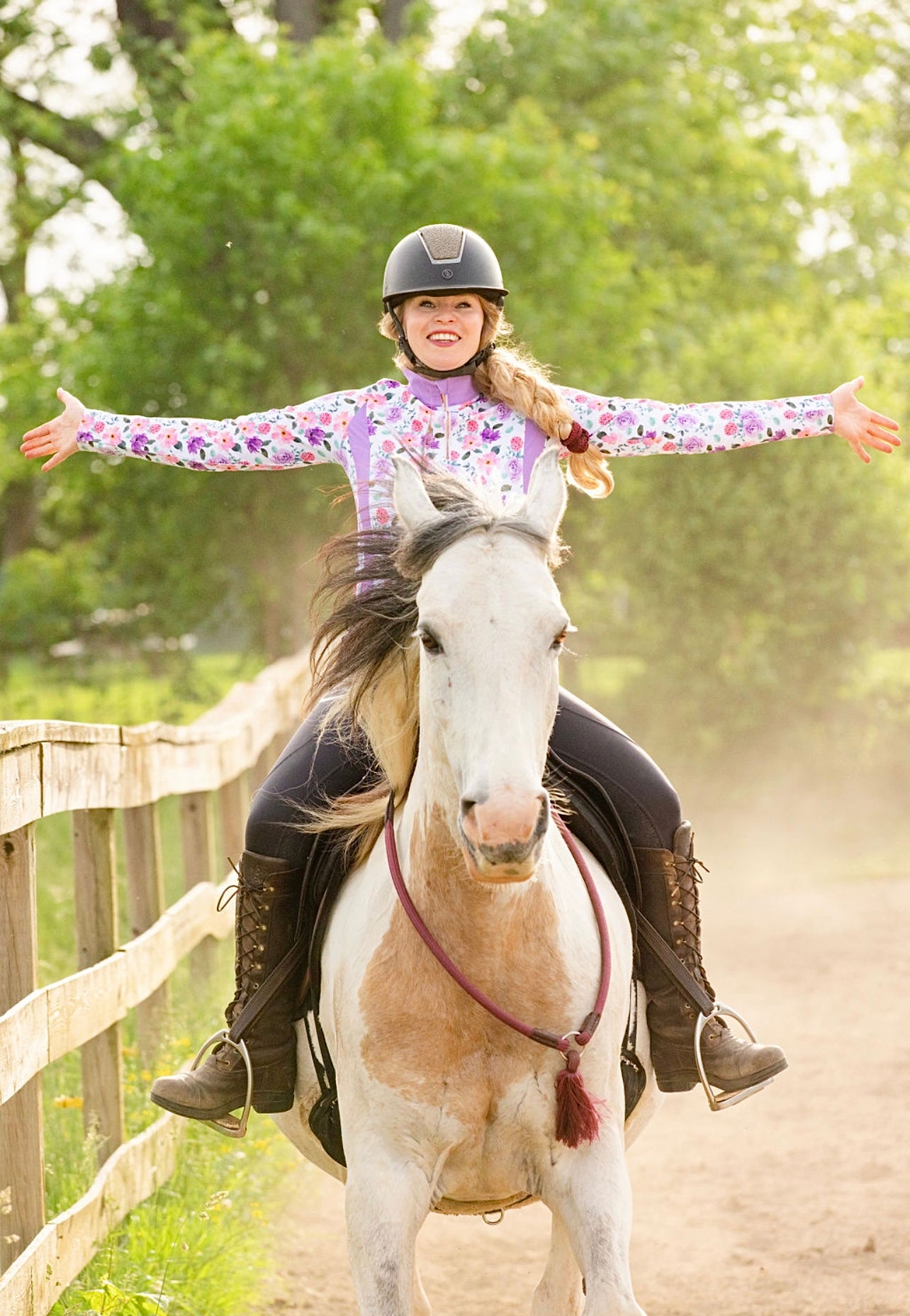
Credit: thespiritedhorseboutique.com
Preparing Your Horse
Preparing your horse to use a neck rope is an important step for a smooth experience. It helps the horse feel calm and ready. This preparation builds a strong bond and makes training easier. Taking time to get your horse used to the rope prevents stress and confusion.
Building Trust And Comfort
Start by spending quiet time near your horse. Speak softly and move slowly to avoid sudden actions. Let your horse see and smell the neck rope. Gently touch the rope to the horse’s neck without tightening. This helps the horse feel safe and relaxed.
Introducing The Neck Rope
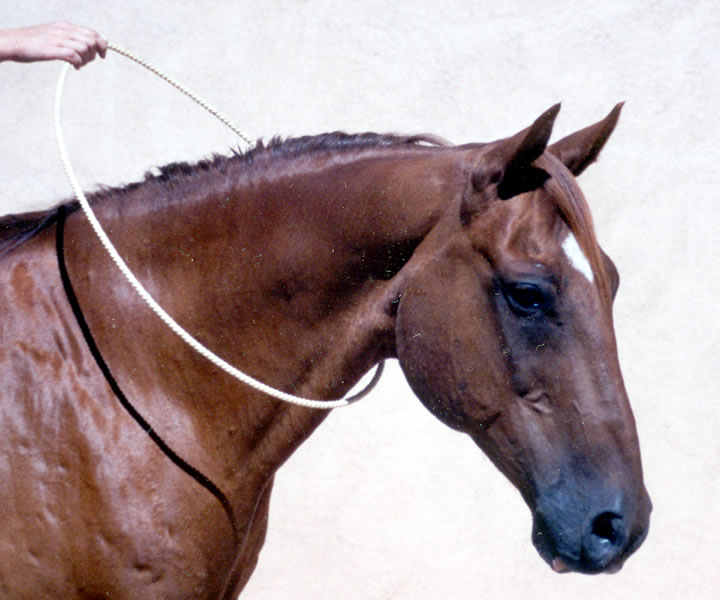
Place the neck rope over the horse’s neck carefully. Watch the horse’s reaction closely. If the horse pulls away, pause and try again later. Use calm words and gentle touches to reassure the horse. Repeat this step until the horse accepts the rope calmly.
Checking For Fit And Adjustment
Ensure the neck rope fits comfortably around the horse’s neck. It should not be too tight or too loose. Adjust the rope so it sits just below the horse’s throat. The horse must move freely without rubbing or pinching. Check regularly to maintain comfort and safety.
Techniques For Safe Use
Using a neck rope for horses requires care and attention. Safety is key for both the horse and handler. Proper techniques reduce risks and improve control. This section explains how to use a neck rope safely and effectively.
Correct Positioning
Place the neck rope around the horse’s neck, just below the mane. It should sit comfortably, not too tight or loose. The rope must not press on the throat or windpipe. Check the fit before each use to avoid discomfort or injury.
Handling The Rope
Hold the rope firmly but gently. Keep enough slack for the horse to move its head. Avoid wrapping the rope around your hand or fingers. Always stay alert to the horse’s movements. This helps prevent sudden pulls or accidents.
Common Mistakes To Avoid
Do not tie the rope too tightly or let it hang loosely. Avoid sudden jerks or harsh pulls on the rope. Never leave the horse unattended while tied with a neck rope. Avoid using a worn or damaged rope. Regular checks keep the rope safe and strong.
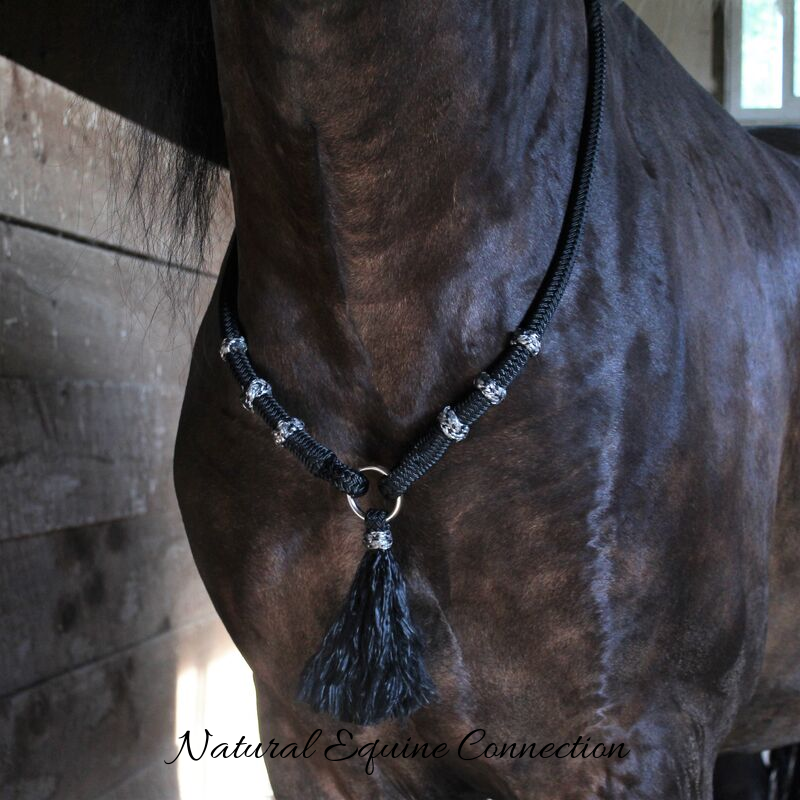
Credit: naturalequineconnection.com
Training Benefits
Using a neck rope for horses offers several training benefits. This simple tool helps build trust between horse and trainer. It guides the horse without harsh pressure. Trainers often see faster learning and better behavior.
The neck rope works gently but effectively. It supports clear signals and calm responses. Horses learn to follow commands with less stress. This makes training safer and more pleasant for both.
Improving Communication
The neck rope improves communication by giving clear, direct signals. Horses feel light pressure around their neck. This pressure tells them to stop, turn, or slow down. It helps horses understand what the trainer wants.
Unlike a halter, it does not pull on the horse’s mouth. This reduces confusion and discomfort. Trainers can guide horses smoothly without shouting or force. Clear communication leads to better training results.
Enhancing Control
The neck rope gives the trainer more control over the horse’s movements. It helps keep the horse focused and responsive. Trainers can guide the horse’s head and body gently. This control helps prevent unwanted behaviors like pulling or rushing.
With better control, horses learn to move safely around people and other animals. Trainers can manage horses in new or busy places. Control through a neck rope builds confidence for both horse and handler.
Encouraging Calm Behavior
Neck ropes encourage calmness by applying steady, soft pressure. Horses feel secure and less anxious during training. The rope helps slow down quick or nervous horses. It creates a calming signal they soon recognize.
Calm horses learn faster and stay relaxed during lessons. This improves their overall attitude and willingness to work. Trainers appreciate how a neck rope helps keep horses peaceful and focused.
Maintenance And Care
Proper maintenance and care keep your neck rope safe and lasting longer. Regular attention helps avoid accidents and discomfort for your horse. Clean ropes prevent dirt build-up that can weaken the fibers.
Storing the rope correctly keeps it in good shape. Knowing when to replace your rope ensures safety for both you and your horse during use.
Cleaning Tips
Use mild soap and warm water to clean the rope. Avoid harsh chemicals that can damage fibers. Gently scrub with a soft brush to remove dirt. Rinse well to remove all soap residues. Hang the rope to air dry completely before storing.
Storage Recommendations
Store the neck rope in a dry, cool place. Avoid damp areas that cause mold or mildew. Coil the rope neatly to prevent kinks or twists. Keep the rope away from direct sunlight to avoid weakening. Use a hook or storage bag for better protection.
When To Replace Your Rope
Replace your rope if you see fraying or cuts. Weak spots can break under pressure. Check for stiffness or hard areas that reduce flexibility. If the rope feels rough or worn, it’s time for a new one. Regular checks help keep your horse safe.
Credit: ttouch.com
Troubleshooting Challenges
Troubleshooting challenges with neck ropes for horses is common. Each horse reacts differently. Some horses resist the rope. Others get nervous or scared. Different breeds need unique handling. Understanding these issues helps build trust. It improves training sessions and safety.
Dealing With Resistance
Resistance is a frequent problem with neck ropes. Some horses pull away or stiffen their neck. Stay calm and patient. Avoid pulling hard on the rope. Use gentle pressure and release quickly. Praise the horse when it relaxes. Practice short sessions to build comfort. Consistency helps reduce resistance over time.
Managing Nervous Horses
Nervous horses may fidget or try to escape. Speak softly to soothe them. Move slowly and avoid sudden actions. Let the horse sniff the rope first. Use treats to create positive feelings. Keep training areas quiet and safe. Gradually increase the time the rope is worn. This helps the horse feel safe and calm.
Adjusting Techniques For Different Breeds
Different breeds react differently to neck ropes. Some breeds are more sensitive or stubborn. Learn the breed’s typical behavior before training. Use softer ropes for sensitive breeds. Apply firmer guidance for strong-willed horses. Adjust your approach based on the horse’s response. Tailoring techniques ensures better cooperation and safety.
Frequently Asked Questions
What Is A Neck Rope For Horses Used For?
A neck rope helps guide and control horses during training or riding safely.
How Do You Properly Fit A Neck Rope On A Horse?
Place the rope around the horse’s neck, not too tight or too loose, for comfort.
Can Neck Ropes Replace Traditional Horse Bridles?
No, neck ropes are not full replacements; they are for specific training or groundwork.
What Materials Are Best For A Horse Neck Rope?
Strong, soft ropes like cotton or nylon work best for durability and comfort.
Is A Neck Rope Safe For All Horse Breeds?
Yes, but always monitor the horse’s reaction to avoid stress or discomfort.
How Often Should You Clean And Check A Neck Rope?
Clean and inspect the rope regularly to keep it safe and in good condition.
Conclusion
Choosing the right neck rope helps keep your horse safe and calm. It gives you better control during training and daily care. Always pick a rope that fits well and feels comfortable for your horse. Practice using it gently to build trust between you and your animal.
A good neck rope can make handling easier and safer for both. Remember, patience and care make all the difference in your horse’s training. Keep learning and enjoy your time with your horse every day.
As an Amazon Associate, I earn from qualifying purchases.