If you care deeply about your horse’s comfort and safety, choosing the right outdoor horse stall is one of the most important decisions you’ll make. Your horse spends a lot of time in its stall, so it needs to be a space that protects from the weather, allows for good airflow, and offers plenty of room to move.
Imagine a stall that keeps your horse happy and healthy, making your daily care routine easier and more enjoyable. You’ll discover everything you need to know to pick the perfect outdoor horse stall for your stable. Keep reading to find out how the right design can make a big difference for both you and your horse.

Credit: socalfenceandbarn.com
Choosing Stall Materials
Choosing the right materials for outdoor horse stalls is very important. The materials affect safety, durability, and comfort. Different materials have different strengths and weaknesses. Some last longer but cost more. Others are cheaper but need more care. Knowing the options helps you make a good choice.
Wood Options And Treatments
Wood is a popular choice for horse stalls. It looks natural and is easy to work with. Common woods include pine, cedar, and oak. Cedar resists insects and decay better than other woods. Wood must be treated to last outside. Treatments protect against moisture and bugs. Pressure-treated wood is strong and lasts longer. Regular maintenance keeps wood safe and clean.
Metal Types And Coatings
Metal stalls are strong and often require less maintenance. Steel and aluminum are common metals used. Steel is very strong but can rust. Coatings like powder coating protect metal from rust and weather. Aluminum does not rust but is softer than steel. Metal stalls are good for heavy use and long life. They also offer better fire resistance than wood.
Composite Alternatives
Composite materials combine plastic and wood fibers. They resist rot, insects, and weather damage. Composites need little maintenance compared to wood. They do not splinter, making them safer for horses. Composite stalls can be more expensive but last longer. They are a good choice for durability and easy care.
Designs For Safety
Safety is the top priority in outdoor horse stall designs. A safe stall protects horses from injury and stress. Careful planning helps create a secure, healthy environment. Every design choice affects the horse’s comfort and well-being.
Ventilation And Airflow
Good ventilation keeps air fresh and prevents moisture buildup. Airflow removes dust and harmful gases. Open slats, windows, and vents allow steady air movement. Proper airflow helps avoid respiratory problems in horses. It also reduces heat during warm days.
Flooring Solutions
Strong, non-slip flooring prevents accidents and injuries. Flooring must drain water easily to keep the stall dry. Rubber mats and well-packed gravel are popular choices. They cushion hooves and reduce joint stress. Clean, dry floors help stop infections and hoof diseases.
Door And Latch Safety
Secure doors keep horses safe inside the stall. Doors should open smoothly and lock firmly. Latches must be simple to use but escape-proof. Rounded edges prevent cuts and bruises. Easy-to-operate doors help handlers work faster and safer.
Durability Factors
Outdoor horse stalls need to last long and stay strong. Durability is key to keep horses safe and comfortable. Many factors affect how well a stall holds up over time. Understanding these helps you choose and care for the best stall.
Weather Resistance
Strong stalls resist rain, wind, and sun damage. Materials like treated wood and metal work well outdoors. They prevent warping, cracking, and rust. Proper design allows water to drain away. Good ventilation stops moisture buildup inside.
Maintenance Tips
Regular checks catch small problems early. Clean stalls often to avoid dirt and debris build-up. Tighten screws and bolts to keep structures firm. Paint or seal wood surfaces to protect from weather. Repair damage quickly to stop it from growing.
Pest And Rot Prevention
Wood can rot if it stays wet too long. Use treated wood to fight decay. Keep the area dry and clear of standing water. Remove old bedding and manure regularly. Pest control stops insects and rodents from damaging stalls.
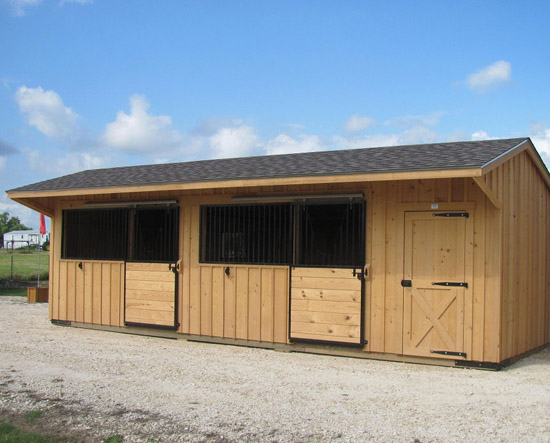
Credit: www.deercreekstables.com
Layout And Size Considerations
Planning the layout and size of outdoor horse stalls is important for horse comfort and health. Proper space helps horses move freely and stay safe. It also makes daily care easier for owners and caretakers.
Good planning improves ventilation and light. It also reduces stress and injury risks for horses. Careful size and layout choices create a better environment for horses.
Standard Stall Dimensions
Most horse stalls measure about 12 feet by 12 feet. This size fits medium to large horses comfortably. Smaller horses may need less space, but avoid making stalls too small. Stalls should allow horses to turn around easily.
Some owners use larger stalls for more freedom. Stalls smaller than 10 feet by 10 feet can cause discomfort. A good size supports healthy movement and rest.
Space For Movement
Horses need space to lie down and stand up without trouble. They also need room to stretch and move slightly inside the stall. Crowded stalls can cause stress and injuries. Leave enough space to avoid these issues.
A stall with good space helps horses relax. It also prevents bad behavior caused by boredom or discomfort.
Feeding And Watering Areas
Place feeders and water buckets where horses can reach easily. Avoid placing them near doors or corners to reduce spills and accidents. Use sturdy containers that horses cannot tip over.
Separate feeding spots from resting areas. This keeps stalls cleaner and horses healthier. Regular cleaning of feeding areas is also important for good horse care.
Cost And Budget Planning
Planning the cost for outdoor horse stalls helps avoid surprises. It keeps your project on track and within your budget. Understanding different expenses gives a clear picture of the total investment.
Material Costs
Materials form the main part of your budget. Wood, metal, or plastic each has different prices. Wood offers a natural look but may need more care. Metal is strong but can be costly. Plastic costs less but might not last long. Choose materials that fit your budget and last well.
Labor And Installation
Labor costs depend on who builds the stalls. Hiring professionals ensures a safe and solid structure. DIY can save money but takes time and skill. Installation includes setting posts, building walls, and adding gates. Plan for extra costs if the ground needs preparation.
Long-term Investment
Stalls are a long-term expense. Quality materials reduce repair and replacement costs. Easy-to-clean stalls save time and money. Proper design keeps horses healthy and safe. Spend wisely now to avoid bigger costs later.
Customization And Upgrades
Customizing outdoor horse stalls lets you create the perfect space for your horses. Upgrades improve comfort, safety, and convenience. Each option fits different needs and budgets. You can make your stalls more functional and enjoyable.
Lighting And Electrical
Good lighting helps you care for horses at any time. Choose LED lights for energy savings and bright light. Electrical outlets make it easy to use tools and heaters. Safe wiring is important to avoid accidents. Proper lighting and power increase stall usability.
Insulation Options
Insulation keeps stalls warm in winter and cool in summer. It protects horses from extreme weather. Use foam panels or reflective barriers to block heat. Insulation reduces drafts and moisture. It creates a healthier and more comfortable environment.
Storage Solutions
Storage keeps equipment and feed organized and close by. Add built-in shelves or cabinets for easy access. Hooks and racks hold tools and tack neatly. Good storage saves time and prevents clutter. A tidy stall area improves daily care and safety.
Compliance And Regulations
Building outdoor horse stalls requires following specific rules and laws. Compliance ensures safety for horses and handlers. It also helps avoid fines or legal issues. Knowing key regulations is essential before starting any project.
Local Building Codes
Local building codes control how outdoor horse stalls are built. These rules cover stall size, materials, and placement. They ensure structures are safe and stable. Always check with your city or county office for exact codes. Ignoring these codes can lead to costly corrections.
Animal Welfare Standards
Animal welfare standards protect horses’ health and comfort. These standards set minimum space and shelter requirements. They also address ventilation and flooring safety. Following these rules keeps horses healthy and stress-free. Many states have specific welfare laws for equine care.
Permitting Process
Most areas require permits before building horse stalls. The permit process confirms your plan meets local laws. You must submit drawings and pay fees. Officials may inspect the site during or after construction. Getting permits early prevents delays and fines.
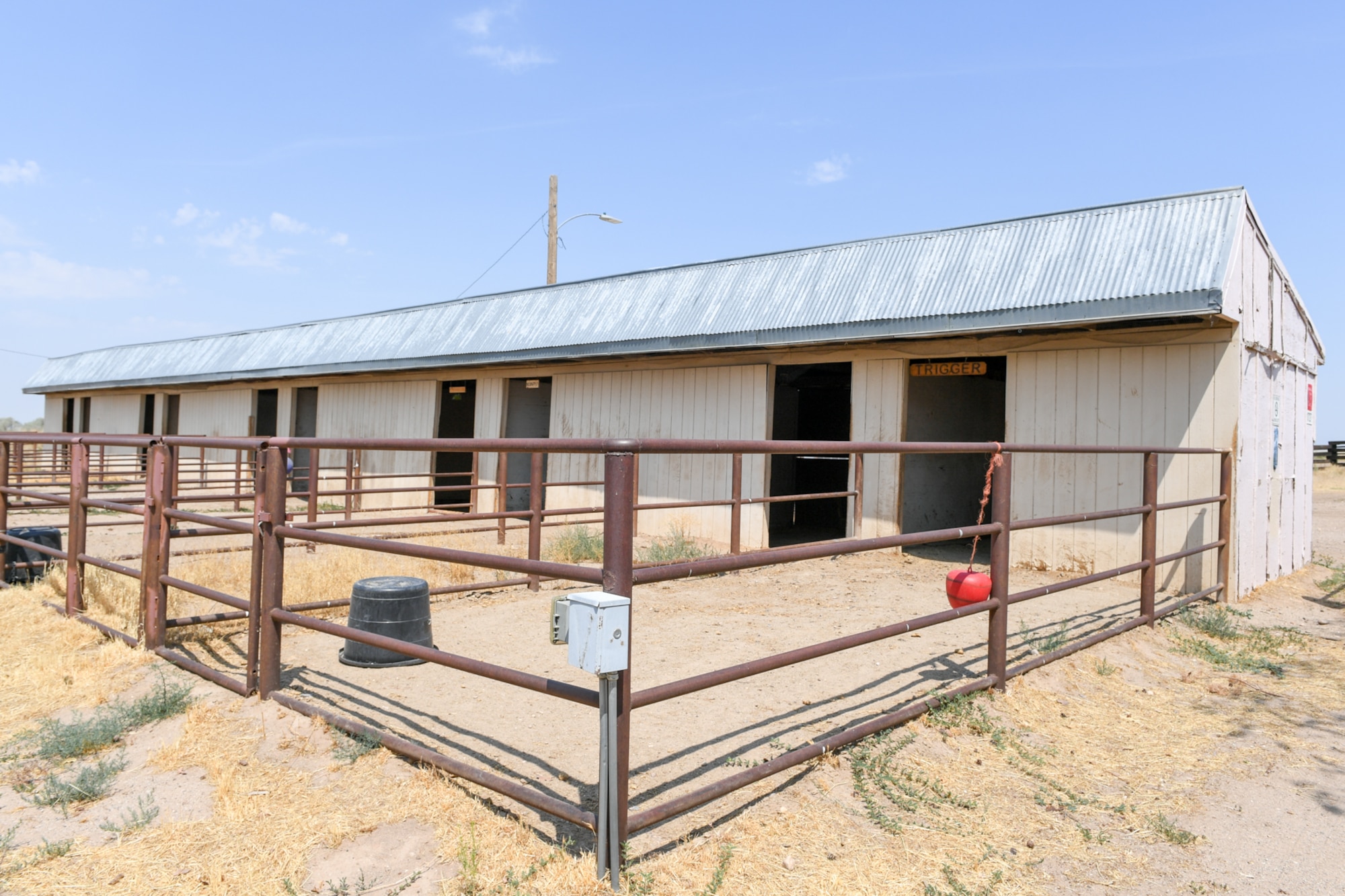
Credit: www.hill.af.mil
Frequently Asked Questions
What Materials Are Best For Outdoor Horse Stalls?
Wood and metal are popular for durability and safety in outdoor horse stalls.
How To Protect Horses From Weather In Outdoor Stalls?
Use sturdy roofs, side panels, and proper drainage to shield horses from rain and wind.
What Size Should Outdoor Horse Stalls Be?
A standard size is 12×12 feet, offering enough space for comfort and movement.
How To Maintain Cleanliness In Outdoor Horse Stalls?
Regularly remove manure, replace bedding, and ensure good ventilation for hygiene.
Can Outdoor Horse Stalls Prevent Pests And Insects?
Proper design and regular cleaning help reduce pests but may not fully prevent them.
How Important Is Ventilation In Outdoor Horse Stalls?
Good airflow keeps horses healthy by reducing moisture and harmful gases inside stalls.
Conclusion
Outdoor horse stalls offer fresh air and natural light for horses. They help keep horses healthy and comfortable. Good ventilation reduces the chance of sickness. Easy access makes daily care simple and quick. Proper design protects horses from bad weather.
Choosing the right materials ensures safety and durability. Outdoor stalls blend well with farm surroundings. They support a happy, active lifestyle for horses. Consider your horse’s needs and space available. A well-built stall creates a better home outdoors. Small steps lead to big benefits for your horse.
As an Amazon Associate, I earn from qualifying purchases.