Imagine capturing the perfect moment with a majestic horse by your side. A photoshoot with horses isn’t just about pictures—it’s about creating memories filled with beauty, grace, and connection.
Whether you’re a beginner or someone who loves animals, this experience can bring out your best smile and confidence. You’ll discover simple tips and secrets to make your photoshoot with horses smooth, fun, and unforgettable. Ready to see how you and these incredible animals can create magic together?
Keep reading!
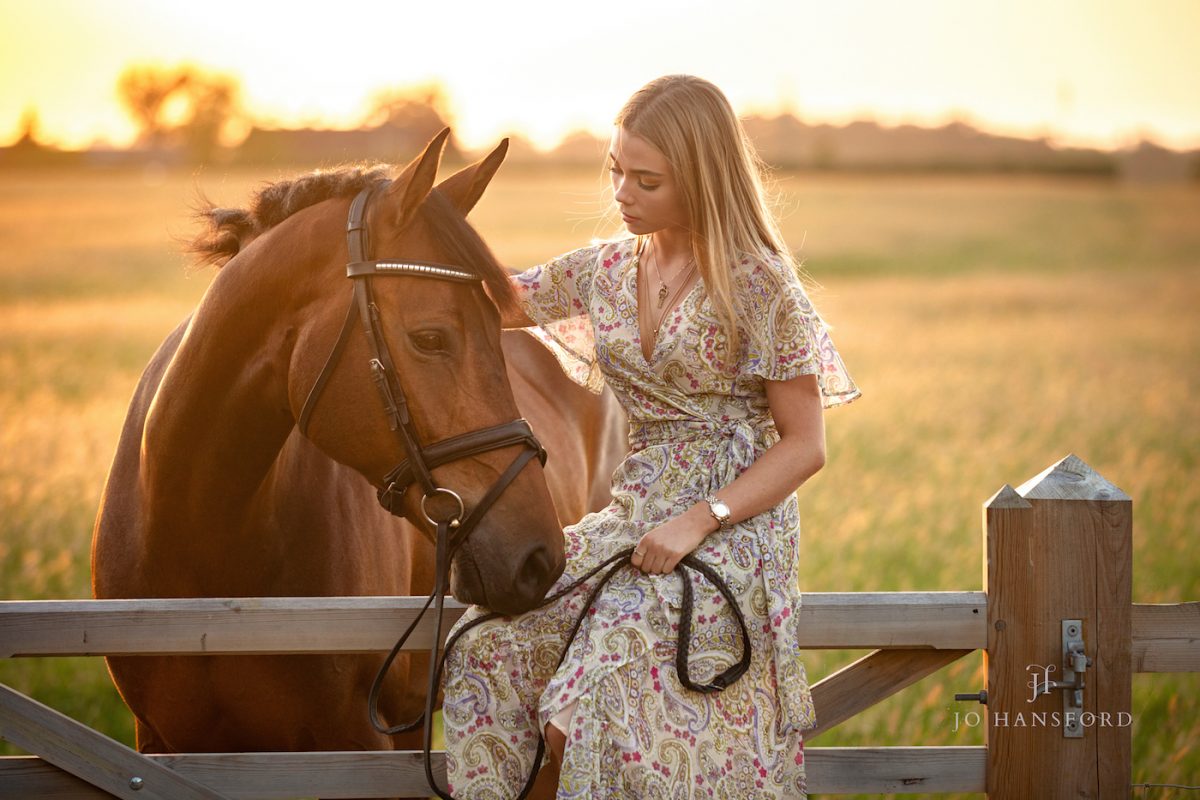
Credit: www.johansfordphotography.com
Choosing The Right Location
Choosing the right location for a photoshoot with horses is very important. The place sets the mood and affects how comfortable the horse feels. A good location helps create beautiful and natural photos. It also keeps everyone safe during the shoot.
Natural Settings Vs Studio
Natural settings offer open space and fresh air. Fields, forests, and farms give many options for backgrounds. Horses often feel more relaxed outside. Natural light makes colors look bright and true.
Studios provide a controlled environment. They protect from bad weather and distractions. You can use backdrops and special lights. But horses may feel nervous in small indoor spaces. Choosing between natural or studio depends on the horse and photo style.
Safety Considerations
Safety is the top priority in any horse photoshoot. The ground should be even and free of sharp objects. Avoid busy roads or loud noises. The location should allow easy horse movement. Make sure handlers can control the horse well. Safe surroundings help reduce stress and accidents.
Lighting Conditions
Good lighting makes photos clear and lively. Soft, natural light works best for horse photography. Early morning or late afternoon light is ideal. Avoid harsh midday sun that causes strong shadows. In studios, use soft lights to mimic natural light. Proper lighting highlights the horse’s shape and colors.
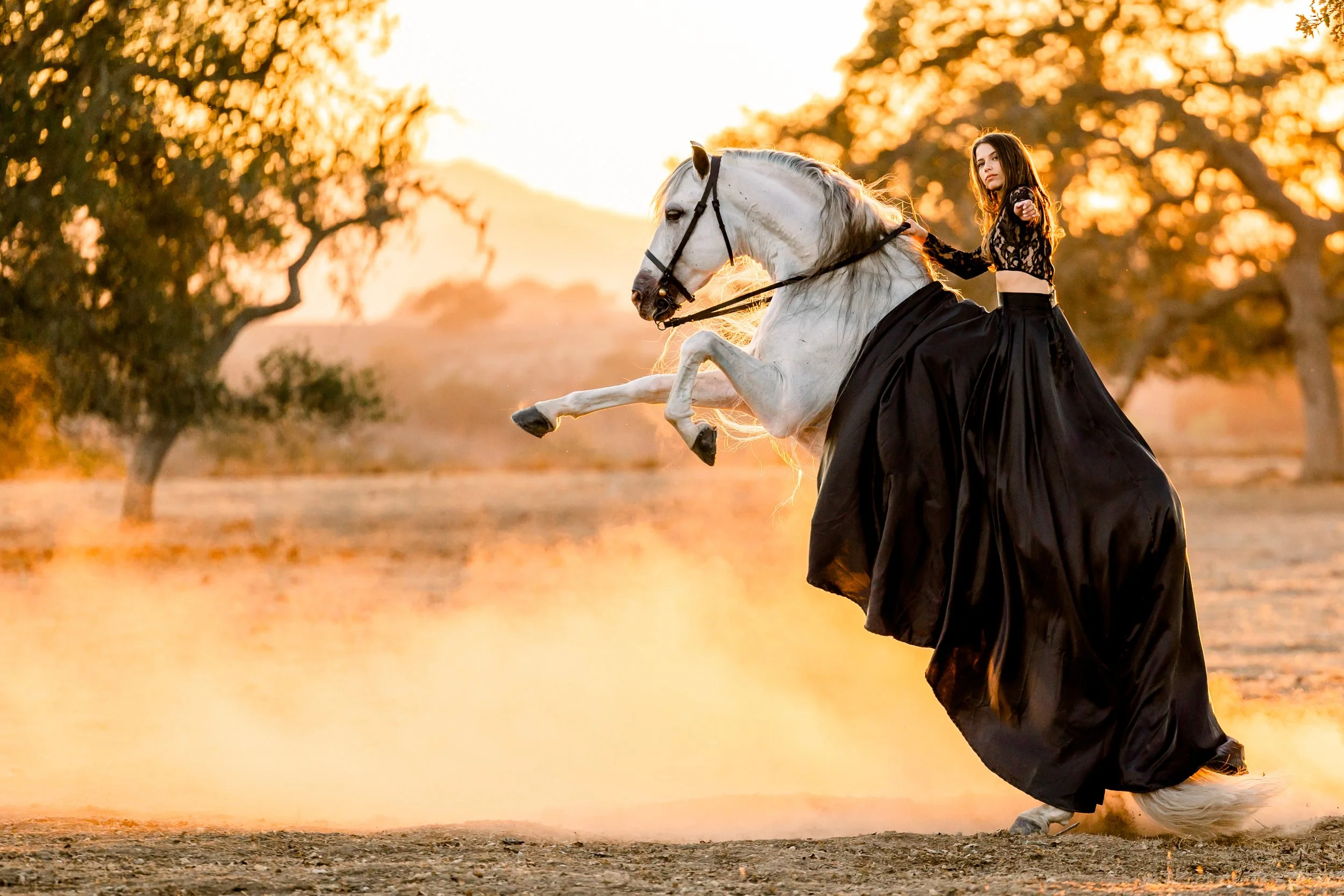
Credit: www.ashleighmagnus.com
Preparing Your Horse
Preparing your horse for a photoshoot helps create beautiful and natural images. It takes time and care to make your horse calm and ready. This process makes your horse comfortable and highlights its best features. Proper preparation reduces stress for both you and your horse. Follow these simple steps to get your horse ready.
Grooming Tips
Start with a clean coat. Brush your horse gently to remove dirt and dust. Use a curry comb to loosen mud and hair. Wipe the face and legs with a soft cloth. Check hooves and clean them well. A shiny coat and clean hooves make your horse look healthy. Finish by combing the mane and tail carefully.
Calming Techniques
Calm horses look relaxed in photos. Spend time near your horse before the shoot. Speak softly and move slowly around it. Let your horse sniff your hands and equipment. Use gentle pats or scratches to soothe your horse. Deep breaths and quiet moments help calm nerves. Calm horses stand still and pose better.
Familiarizing With Equipment
Introduce all equipment before the photoshoot day. Let your horse see and touch the camera and lights. Use the bridle and saddle briefly to avoid surprises. Practice with any props or blankets you plan to use. Horses that know the equipment stay relaxed. This helps the shoot go smoothly and faster.
Camera Gear Essentials
Capturing horses in photos requires the right camera gear. Good equipment helps catch clear, beautiful shots. Choosing the right tools makes your photoshoot easier and more fun. Focus on lenses, accessories, and camera settings. These elements help create sharp and stunning horse images.
Best Lenses For Equine Photography
Use zoom lenses to capture horses from a distance. A 70-200mm lens works well for close and far shots. Prime lenses like 85mm or 135mm give sharp details. Wide-angle lenses help show horses with their environment. Choose lenses with fast focus for quick movements.
Recommended Accessories
A sturdy tripod keeps your camera steady. Use a polarizing filter to reduce glare on shiny coats. Extra batteries and memory cards prevent missing moments. A lens hood helps block sunlight and reduce lens flare. Carry a cleaning kit to keep your lens clear.
Settings For Sharp Images
Set a fast shutter speed to freeze motion. Use aperture priority mode to control background blur. Keep ISO low for less noise and clearer photos. Autofocus mode with continuous tracking works best. Check your focus often to keep horses sharp.
Posing And Composition
Posing and composition are key to great horse photos. They help show the horse’s beauty and spirit. Good posing brings out the best angles and expressions. Composition guides the eye and creates balance in the image.
Careful posing and thoughtful composition turn a simple photo into art. They capture the connection between horse and photographer. Each shot tells a unique story.
Capturing Movement
Movement adds life and energy to horse photos. Freeze a gallop or a jump to show power and grace. Use a fast shutter speed for sharp images. Or try a slower speed to blur and show motion. Position yourself to catch the horse’s direction and flow.
Highlighting Horse Features
Focus on the horse’s unique traits. Capture the shine in its eyes or the curve of its neck. Use close-ups for details like mane or muscles. Light plays a big role in showing texture and color. Angle the shot to highlight strength and elegance.
Using Props Creatively
Props add interest and tell a story in your photos. Use saddles, hats, or ribbons for a rustic or festive look. Keep props simple to not distract from the horse. Match colors and styles with the horse’s coat. Place props naturally to enhance the scene.
Working With Natural Light
Natural light makes horse photos look warm and real. It adds soft colors and highlights the horse’s beauty. Using natural light helps to keep the scene natural and calm. It creates a peaceful mood that suits horses well.
Golden Hour Benefits
The golden hour is just after sunrise or before sunset. The light is soft and golden then. It makes horse coats shine with a warm glow. Shadows are gentle, not harsh or sharp. This light adds magic to every photo.
Avoiding Harsh Shadows
Midday sun creates strong shadows on horses. These shadows can hide details and look harsh. Shooting in shaded areas helps soften light. Overcast days also reduce harsh shadows. Soft light shows the horse’s muscles and features clearly.
Using Reflectors Effectively
Reflectors bounce natural light onto the horse. They brighten dark spots and balance shadows. Use white or silver reflectors for soft, bright light. Place reflectors opposite the sun for best effect. Reflectors help show the horse’s eyes and face better.

Credit: lazelfarmphotography.com
Safety Tips During The Shoot
Safety is key during a photoshoot with horses. Horses are large and sensitive animals. They react to sounds, movements, and new places. Keeping everyone safe makes the shoot smoother and more fun.
Handling Nervous Horses
Stay calm around nervous horses. Speak softly and move slowly. Avoid sudden actions that might scare them. Let the horse get used to the camera and crew. Use treats or gentle pats to comfort them. Watch their body language for signs of stress. Stop if the horse seems too anxious.
Managing Surroundings
Clear the area of sharp objects and loud noises. Keep the space open and free from clutter. Limit the number of people close to the horse. Use natural light or soft lighting to avoid startling. Secure gates and fences to prevent escapes. Make sure the ground is safe to walk on. Check weather conditions before the shoot.
Emergency Preparedness
Have a first aid kit nearby for both humans and horses. Know the location of the nearest vet and hospital. Keep phone numbers ready for quick calls. Assign roles to the team in case of an emergency. Stay alert and watch for any signs of injury. Plan escape routes in case the horse bolts. Regularly review safety steps with everyone involved.
Editing And Enhancing Photos
Editing and enhancing photos is a key step in horse photoshoots. It helps bring out the beauty of the horses and the scene. Good editing can make the images look clearer and more vibrant. It also fixes small problems and highlights special details. The goal is to keep the natural feel while improving the overall look.
Basic Retouching Techniques
Start by cleaning up the photo. Remove dust, spots, or stray hairs on the horse. Smooth out skin areas gently, but keep the texture real. Brighten the eyes to make them shine. Crop the image for better focus and balance. These simple steps improve the photo without changing the horse’s natural look.
Color Correction Tips
Adjust the colors to make them true to life. Fix white balance if the photo looks too warm or cool. Increase or decrease brightness and contrast to add depth. Boost saturation slightly to make colors pop but avoid overdoing it. Use these changes to create a fresh, natural color tone.
Creating Dramatic Effects
Use shadows and highlights to add mood and drama. Try black and white for a classic feel. Add soft vignettes to draw attention to the horse. Play with contrast for a bold look. These effects make the photos more eye-catching and emotional. Always keep the horse as the main focus.
Frequently Asked Questions
What Are The Best Locations For A Photoshoot With Horses?
Open fields, farms, and ranches offer natural light and beautiful backgrounds for horse photos.
How To Prepare A Horse For A Photoshoot?
Groom the horse well, ensure it is calm, and use clean tack for the best look.
What Camera Settings Work Best For Horse Photography?
Use fast shutter speed to capture movement and a wide aperture for a blurred background.
How To Keep Horses Calm During A Photoshoot?
Use gentle tones, avoid sudden movements, and take breaks to keep horses relaxed.
What Time Of Day Is Ideal For Horse Photoshoots?
Early morning or late afternoon provides soft, warm light perfect for horse pictures.
Can I Include Riders In Horse Photoshoots?
Yes, riders add interest and story, but ensure safety and good communication with the horse.
Conclusion
Photoshoots with horses create unique and beautiful memories. Horses bring calm and strength to every picture. Their natural grace adds life to photos. Patience and kindness help build trust with horses. This trust shows in every captured moment. Outdoor settings enhance the natural feel of the shoot.
Simple poses often look the most stunning. Enjoy the experience and connect with these gentle animals. Photos will tell a story of friendship and nature. A photoshoot with horses offers joy beyond just pictures.
As an Amazon Associate, I earn from qualifying purchases.