If you own horses, you know how important it is to keep them safe and comfortable wherever they go. Portable horse panels are the perfect solution to create secure, flexible spaces for your horses—whether you’re at a show, trail ride, or just in your backyard.
Imagine having the freedom to set up a sturdy enclosure quickly, without hassle or heavy equipment. You’ll discover how these panels can make your life easier and your horses happier. Keep reading to find out everything you need to know about choosing and using portable horse panels to protect your valuable animals.
Benefits Of Portable Horse Panels
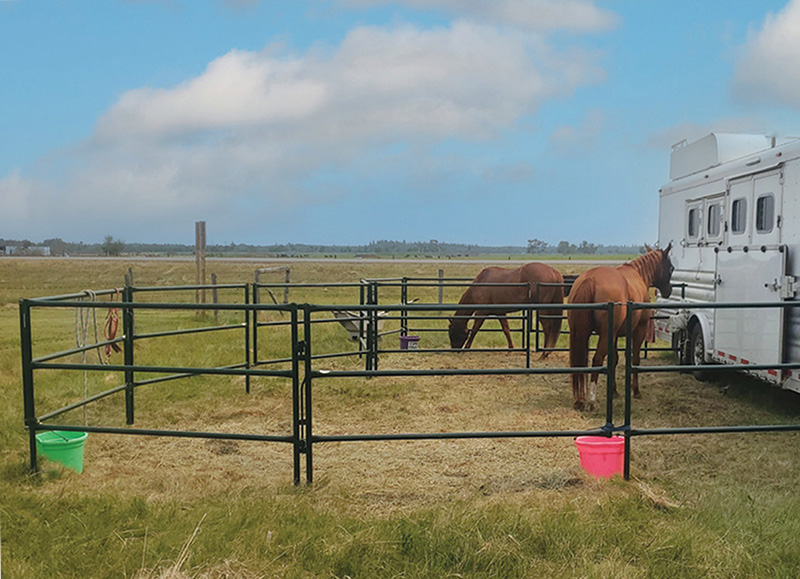
Portable horse panels offer many benefits for horse owners and trainers. These panels provide a simple way to create safe, secure spaces for horses. They allow quick changes and adjustments to fencing areas. This flexibility suits different needs and environments.
Using portable horse panels saves time and effort. They make managing horses easier and more efficient. These panels also reduce costs compared to permanent fencing options.
Flexibility In Fencing Layouts
Portable horse panels let you design fencing layouts easily. You can move and adjust panels to fit different spaces. This is perfect for changing pastures or training areas. The panels work well on uneven ground or irregular shapes. You can create temporary pens or large enclosures. This flexibility supports various horse care tasks.
Ease Of Installation And Removal
Installing portable horse panels takes little time and no special tools. One or two people can set up the panels quickly. Removing and storing panels is just as simple. This ease helps with seasonal changes or moving horses. It also allows fast repairs or replacements if needed. No digging or concrete work is required.
Cost-effectiveness Compared To Permanent Fencing
Portable horse panels cost less upfront than permanent fences. You avoid expenses for posts, cement, and labor. The panels last long and need little maintenance. They reduce the risk of damage from horses pushing or leaning. This lowers repair costs over time. Portable panels offer a budget-friendly solution for fencing needs.
Credit: www.hi-hog.com
Materials And Durability
Choosing the right materials affects the strength and life of portable horse panels. Durable materials keep horses safe and panels sturdy. Understanding key material features helps pick the best panels for your needs.
Steel Vs Aluminum Panels
Steel panels offer high strength and heavy-duty use. They resist bending and handle strong impacts well. Steel is heavier but very tough.
Aluminum panels weigh less and resist rust naturally. They are easier to move and handle. Aluminum may bend more under pressure but lasts long in wet conditions.
Coatings And Rust Resistance
Coatings protect panels from rust and weather damage. Powder coating is common and creates a hard, smooth layer.
Galvanized coatings add zinc to steel, stopping rust early. These coatings extend panel life, especially outdoors. Proper coatings mean less maintenance and better appearance.
Panel Thickness And Strength
Thicker panels provide greater strength and stability. Thin panels may save weight but bend faster.
Standard thickness ranges suit most horses and uses. Choose thicker panels for larger or stronger horses.
Strength depends on both material and thickness together. Balance weight and durability for best results.
Panel Sizes And Designs
Choosing the right panel sizes and designs matters for portable horse panels. These panels must fit your space well. They must also keep your horses safe and comfortable. Different sizes and styles fit different needs. Understanding these options helps you pick the best panels.
Standard Dimensions
Most portable horse panels come in 4 to 12 feet long. The height usually ranges from 4 to 6 feet. Taller panels give more security. Shorter panels are easier to move and store. Common widths suit most horse breeds and sizes. Knowing these sizes helps plan your pen layout.
Panel Shapes And Styles
Panels come in straight, curved, and corner shapes. Straight panels are the most common and easy to connect. Curved panels create round pens that horses like. Corner panels help build square or rectangular enclosures. Some panels have solid bottoms for extra safety. Others have open bars for better airflow.
Gate Options And Accessories
Many panels include gate options. Gates can swing or slide. Swing gates open wide for easy access. Slide gates save space in tight areas. Accessories like latches and hinges improve security. Some gates lock to prevent horses from opening them. Choose gates that match your panel style for best results.

Credit: carrilitecorrals.com
Safety Features For Horses
Portable horse panels must keep horses safe and comfortable. Safety features protect horses from injuries. These panels create a secure space for horses to rest and move.
Smooth Edges And Rounded Corners
Sharp edges can hurt horses. Panels with smooth edges and rounded corners prevent cuts and scrapes. This design lowers the chance of accidents during play or rest. Horses stay calm and safe around these panels.
Spacing Between Bars
Proper spacing between bars stops horses from getting stuck. Too wide or too narrow gaps cause injuries. Safe panels have bars spaced to avoid hooves or heads getting trapped. This spacing allows good airflow and visibility.
Secure Latching Systems
Strong latches keep panels closed firmly. Loose latches can open and let horses escape. Secure latching systems avoid accidental openings. They also make it easy for people to open and close panels safely.
Setup Tips And Best Practices
Setting up portable horse panels correctly is important for safety and ease. Good setup helps keep horses secure and prevents damage. Follow simple steps to make your panel area strong and safe.
Choosing The Right Location
Select a flat area to place your panels. Avoid steep slopes or rocky ground. Choose a spot with good drainage to prevent mud. Ensure there is enough space for horses to move freely. Keep the panels away from hazards like sharp objects or low branches.
Anchoring Panels Effectively
Use sturdy stakes or anchors to hold panels in place. Drive anchors deep into the ground for strong support. Connect panels tightly to avoid gaps or movement. Check connections often to keep panels secure. Use extra ties or clips if needed for stability.
Maintaining Stability In Different Terrains
Adjust anchoring methods based on the ground type. Use longer stakes in soft or sandy soil. Place boards or mats under panels on uneven ground. Add weight at the base of panels on windy days. Inspect panel stability regularly to prevent accidents.

Credit: westernranchsupply.com
Maintenance And Longevity
Portable horse panels need care to last a long time. Proper maintenance keeps them strong and safe for your horses. Regular attention helps avoid big problems and costly repairs. It also keeps the panels looking good and working well season after season.
Cleaning And Inspection Routines
Clean panels often to remove dirt and debris. Use water and mild soap for washing. Dry them well to stop rust or mold. Check panels for rust spots, cracks, or loose parts. Early detection of issues prevents bigger damage later. Inspect hinges and latches to ensure they work smoothly.
Repairing Damages
Fix small damages right away to keep panels safe. Tighten screws and replace broken parts quickly. Sand down rust spots and apply protective paint. Replace bent or broken bars to avoid injury. Timely repairs extend the life of your panels. Keep a basic repair kit handy for quick fixes.
Storage During Off-season
Store panels in a dry, covered area when not in use. Avoid direct ground contact to prevent moisture damage. Stack panels carefully to avoid bending or warping. Cover panels with a tarp if stored outside. Proper storage protects panels from weather damage. This helps keep them ready for the next season.
Comparing Portable Panels With Other Fencing
Portable horse panels offer flexibility that many other fencing options do not. They are easy to move and install without tools. This makes them ideal for changing pastures or temporary enclosures.
Comparing portable panels with traditional fencing shows clear differences. Each fencing type has strengths and weaknesses. Understanding these helps in choosing the right option for your needs.
Traditional Wooden Fencing
Wooden fences are strong and provide a classic look. They need regular maintenance like painting and repairing. Installation takes time and effort. Once built, moving them is difficult. They offer good safety but less flexibility than portable panels.
Electric Fencing
Electric fences are cost-effective and easy to set up. They use a mild shock to keep horses inside. This can cause stress for some animals. Electric lines require regular checks to stay functional. They lack the physical barrier that portable panels provide.
Wire Mesh And Vinyl Alternatives
Wire mesh fences are lightweight and allow good visibility. They can be less sturdy against horse pressure. Vinyl fences look neat and need little upkeep. Both options are more permanent than portable panels. They require posts and professional installation for best results.
Cost Considerations And Budgeting
Planning your budget for portable horse panels helps avoid surprises. Understanding costs lets you choose panels that fit your needs and wallet. Consider both upfront and ongoing expenses to manage your funds well.
Initial Investment
Portable horse panels need money at the start. Prices depend on size, material, and brand. Steel panels cost more but last longer. Lighter panels may be cheaper but less strong. Count how many panels you need before buying.
Long-term Savings
Good quality panels save money over time. They need less repair and replacement. Strong panels protect horses better, lowering vet bills. Panels that resist rust and weather last longer. Think beyond the price tag to future costs.
Where To Buy And Price Ranges
Buy panels at farm supply stores or online shops. Prices range from $30 to $150 per panel. Steel panels sit at the higher end. Plastic or aluminum panels cost less but may wear faster. Compare prices and reviews for best value.
Frequently Asked Questions
What Are Portable Horse Panels Used For?
Portable horse panels create safe, flexible enclosures for horses in different locations.
How Durable Are Portable Horse Panels?
Most panels are made from strong steel or aluminum for long-lasting use.
Can Portable Horse Panels Be Easily Moved?
Yes, they are lightweight and designed for quick setup and easy transport.
Are Portable Horse Panels Safe For Horses?
Panels have smooth edges and secure locks to protect horses from injury.
What Sizes Do Portable Horse Panels Come In?
Common sizes range from 4 to 6 feet tall and vary in length.
How To Maintain Portable Horse Panels Properly?
Regular cleaning and checking for rust or damage keep panels in good shape.
Conclusion
Portable horse panels offer simple and flexible solutions for horse owners. They allow easy setup and quick changes to your horse’s space. These panels keep horses safe and comfortable wherever you need. Strong and lightweight designs make moving panels simple and stress-free.
Choosing the right panels helps you manage your horses better every day. Durable materials ensure long-lasting use, saving time and money. Portable panels bring convenience and peace of mind to your horse care routine. A smart addition to any stable or outdoor area.
As an Amazon Associate, I earn from qualifying purchases.