If you work with horses, you know how important their comfort and safety are during rides or work. A pulling breast collar for horses can make a big difference in how your horse moves and feels.
But how do you choose the right one? And why is it so important for your horse’s performance? Keep reading to discover everything you need to know about pulling breast collars and how they can help you and your horse work better together.
Credit: buckarooleather.com
Benefits Of Pulling Breast Collars
Pulling breast collars offer many benefits for horses and riders alike. They help improve the horse’s comfort and performance during pulling tasks. These collars support the horse’s chest and shoulders, making work easier and safer.
Understanding these benefits can help you choose the right gear. A well-fitted pulling breast collar can protect your horse and enhance control while working.
Enhanced Comfort For Horses
Pulling breast collars distribute pressure evenly across the horse’s chest. This reduces strain on sensitive areas. A good collar fits snugly without tight spots. It allows the horse to move freely without pain or restriction.
Improved Strength And Control
These collars help transfer the pulling force efficiently. They give the rider better control over the horse’s movements. This makes pulling heavy loads easier for the horse. The collar supports the horse’s muscles and joints during work.
Prevention Of Chafing And Injuries
Pulling breast collars help prevent skin rubbing and sores. They keep the harness in place, avoiding friction and irritation. A proper collar reduces the risk of injuries from uneven pressure. This keeps the horse healthy and comfortable during long tasks.

Credit: www.quarterhorsenews.com
Types Of Pulling Breast Collars
Pulling breast collars come in various types to fit different needs and preferences. Choosing the right type helps your horse work comfortably and efficiently. Each type offers unique benefits and materials suited for specific uses. Understanding these types will guide you to the best choice for your horse.
Traditional Leather Collars
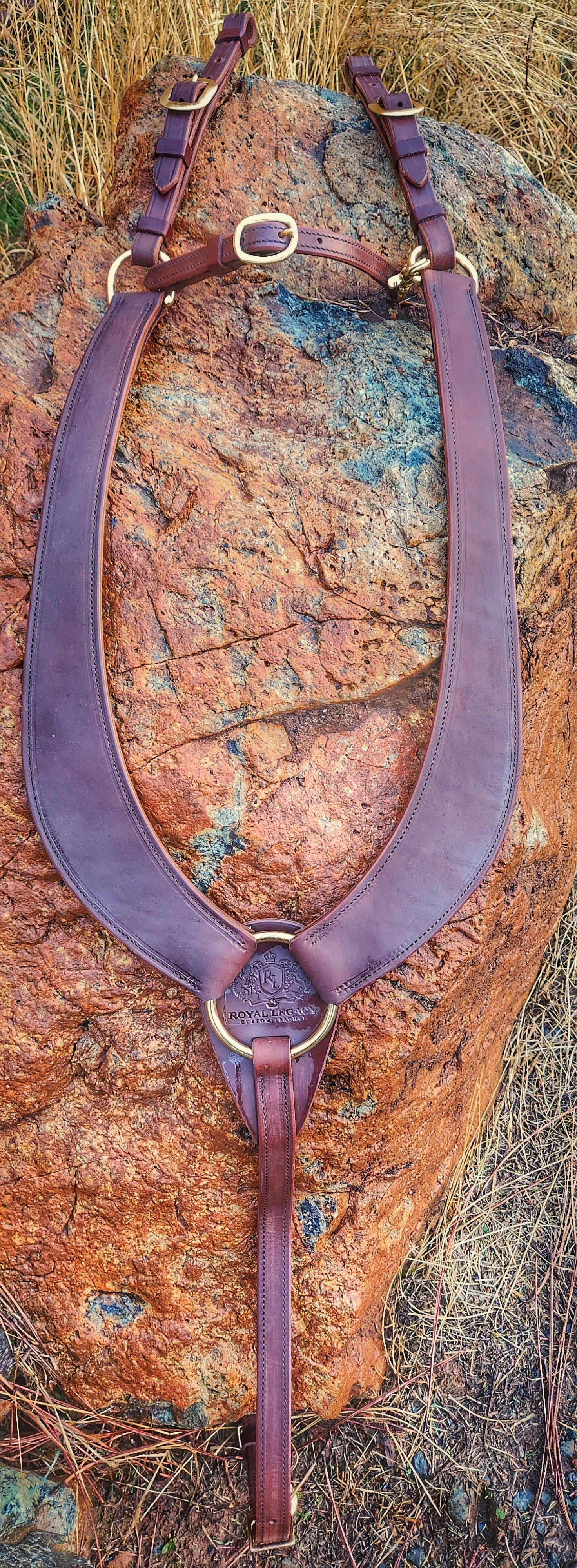
Traditional leather collars offer durability and classic style. They mold to the horse’s shape over time. Leather breathes well and provides natural comfort. Regular cleaning and oiling keep them soft and strong. These collars suit riders who prefer a timeless look.
Synthetic And Neoprene Options
Synthetic collars are lightweight and easy to clean. Neoprene offers extra padding and cushioning. These materials resist water and dirt effectively. They dry quickly after use in wet conditions. Ideal for riders wanting low maintenance and comfort.
Custom-fit Designs
Custom-fit collars are made to match your horse’s exact measurements. They reduce pressure points and improve performance. Tailored collars help prevent chafing and discomfort. These designs suit horses with unique body shapes. They ensure a perfect fit for every pull.
Choosing The Right Collar
Choosing the right pulling breast collar is key for your horse’s comfort and performance. A good collar fits well and suits the horse’s work. It helps prevent chafing and distributes pressure evenly. This guide explains how to select the best collar for your horse.
Measuring Your Horse
Start by measuring your horse correctly. Use a soft tape to measure around the chest. Measure the girth and the width of the shoulders. Record these numbers to find the right collar size. Proper measurement stops the collar from being too tight or loose.
Matching Collar To Activity
Different activities need different collar types. For heavy pulling, choose a collar with more padding. Light work needs a simpler, lighter collar. Match the collar’s strength to the horse’s task. This keeps the horse safe and comfortable during work.
Material Considerations
Material affects comfort and durability. Leather collars look good and last long. They soften with use but need care. Nylon collars dry quickly and are easier to clean. Choose a material that suits your climate and use. Soft padding inside reduces rubbing and sores.
Proper Fit And Adjustment
Proper fit and adjustment of a pulling breast collar are vital for your horse’s comfort and performance. A collar that fits well helps distribute pressure evenly. It prevents chafing and allows your horse to pull with ease.
Check the collar often to keep it in good condition. Adjust it to fit your horse’s shape and size. A well-fitted collar makes a big difference during work or rides.
Positioning The Collar
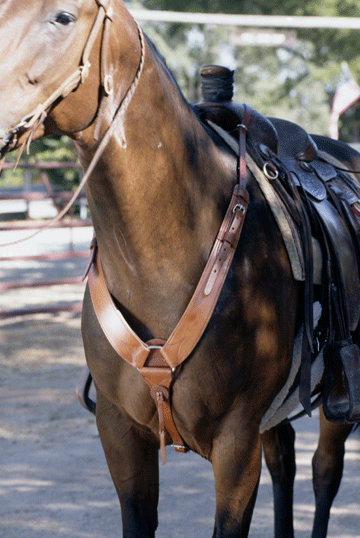
Place the collar high on the horse’s chest, just below the neck. It should rest against the muscles, not the throat or windpipe. Ensure it sits evenly on both sides. The collar must follow the horse’s natural curve.
Adjusting Straps For Comfort
Straps should be snug but not tight. Tight straps cause discomfort and restrict movement. Loose straps let the collar slip or twist. Adjust each strap little by little. Check that the horse moves freely without rubbing.
Signs Of An Ill-fitting Collar
Look for red marks or sores on the chest or shoulders. The horse may show signs of pain or resistance. Watch for chafing or hair loss around the collar area. A collar that slips or shifts during work needs adjustment. These signs mean the collar is not fitting properly.
Maintenance And Care Tips
Proper maintenance keeps your pulling breast collar safe and durable. Regular care helps prevent damage and extends its life. Follow these simple tips to keep your collar in top shape.
Cleaning Leather Collars
Use a soft brush to remove dirt and dust. Wipe the leather with a damp cloth. Avoid soaking the leather; it can cause damage. Apply a leather cleaner or saddle soap for deep cleaning. Let the collar air dry naturally, away from heat. Finish with leather conditioner to keep it soft and strong.
Caring For Synthetic Materials
Synthetic collars need less care but still require cleaning. Rinse with warm water to remove mud and sweat. Use mild soap if needed and scrub gently. Avoid harsh chemicals that can weaken fibers. Dry the collar in a shaded area. Store it flat or hung to keep its shape.
Regular Inspections For Wear
Check your collar before and after every use. Look for cracks, loose stitching, or broken parts. Small tears can get worse during work. Replace worn or damaged sections immediately. Safe equipment means a safe horse and rider.
Common Mistakes To Avoid
Pulling breast collars help horses perform better and stay comfortable. Many riders make simple mistakes that cause pain or reduce the collar’s effectiveness. Avoiding these common errors keeps your horse safe and happy.
Overtightening Straps
Straps that are too tight can hurt your horse. Tight straps press on muscles and skin. This causes discomfort and may lead to sores. Adjust straps so they are snug but not tight. You should be able to fit a finger between the strap and horse.
Ignoring Pressure Points
Pressure points cause pain and restrict movement. Check areas around the collar for red marks or swelling. These signs mean the collar presses too hard. Use padding or adjust the collar to reduce pressure. A well-fitted collar avoids sensitive spots on the horse’s body.
Using The Wrong Collar Type
Not all collars fit every horse or activity. Using the wrong type can cause chafing or slipping. Select a collar that matches your horse’s size and your riding style. Consult experts or read product guides before buying. The right collar improves comfort and performance.
Credit: royallegacyleather.com
Frequently Asked Questions
What Is A Pulling Breast Collar For Horses?
A pulling breast collar helps horses pull carts or wagons by spreading pressure across their chest.
How Does A Pulling Breast Collar Benefit Horses?
It reduces strain on the horse’s neck and shoulders during pulling work.
What Materials Are Used For Pulling Breast Collars?
Leather and nylon are common materials, chosen for strength and comfort.
How Do You Fit A Pulling Breast Collar Properly?
The collar should sit high on the chest, allowing free shoulder movement.
Can Pulling Breast Collars Be Used For All Horse Breeds?
Yes, but size and fit should match the horse’s build and strength.
How To Maintain A Pulling Breast Collar For Longevity?
Clean regularly and check for wear to keep it safe and durable.
Conclusion
A pulling breast collar helps keep your horse comfortable and safe. It stops the saddle from slipping backward during rides. Choosing the right size and fit matters a lot. Always check for proper adjustment before riding. This gear supports your horse’s movement and prevents injuries.
Simple care and regular checks keep the collar strong and lasting. Using a pulling breast collar makes riding smoother and more stable. Give your horse the comfort it deserves with this useful tool.
As an Amazon Associate, I earn from qualifying purchases.