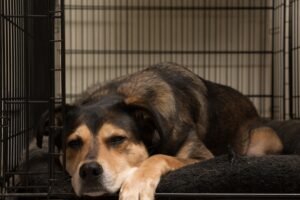
What would you do if your dog accidentally ate a shroom? It’s a scary thought, and you’re probably wondering how dangerous it really is.
You care deeply about your furry friend, and the uncertainty can be overwhelming. You’ll find clear answers about the risks, symptoms to watch for, and what steps to take right away. Keep reading to make sure you’re prepared to protect your dog’s health if this unexpected situation ever happens.
Risks Of Mushroom Ingestion
Mushroom ingestion can be very dangerous for dogs. Some mushrooms contain toxins that can harm your pet’s health. Dogs might eat wild mushrooms while exploring outside. This can lead to serious health problems or even death.
Knowing the risks helps you protect your dog. Early recognition of symptoms can save your dog’s life. Immediate action is important when mushroom poisoning happens.
Types Of Mushrooms Harmful To Dogs
Not all mushrooms are safe for dogs. Some wild mushrooms have deadly toxins. Amanita, also known as the death cap, is extremely poisonous. Other harmful types include false morels and certain ink caps. Even common mushrooms found in gardens can cause problems. Avoid letting your dog eat any wild mushroom.
Symptoms Of Mushroom Poisoning
Symptoms can start quickly after ingestion. Vomiting and diarrhea are common early signs. Your dog may also show weakness or drooling. Tremors and seizures can occur in severe cases. Stomach pain and loss of coordination are warning signs. Watch your dog closely if you suspect mushroom eating.
When To Seek Emergency Help
Call a vet immediately if your dog ate a mushroom. Quick treatment increases chances of recovery. Don’t wait for symptoms to get worse. Bring a sample of the mushroom, if possible. Emergency care can include activated charcoal and fluids. Early veterinary help is critical to save your dog.
Immediate Actions To Take
Knowing what to do right after your dog eats mushrooms is very important. Acting fast can save your dog’s health and life. This section explains the first steps you must take.
How To Safely Remove Mushrooms
Remove any remaining mushrooms near your dog carefully. Use gloves to avoid contact with toxic spores. Keep your dog away from the area. Check your dog’s mouth and paws for mushroom pieces. Wipe them gently with a damp cloth to prevent swallowing more.
First Aid Steps For Dogs
Try to keep your dog calm and quiet. Do not make your dog vomit unless a vet tells you to. Give fresh water to help flush toxins. Note any unusual symptoms like vomiting, drooling, or shaking. Call your veterinarian immediately and describe the situation.
What Not To Do
Do not wait for symptoms to appear. Avoid home remedies or human medicines. Do not force your dog to eat or drink. Never ignore signs of poisoning, even if mild. Delay in treatment can cause serious harm or death.
Preventing Mushroom Exposure
Mushrooms can be dangerous for dogs. Preventing your dog from eating mushrooms is very important. You must watch your dog closely outside. Teach your dog to avoid mushrooms to keep them safe.
Safe Outdoor Practices
Always check your yard for mushrooms before letting your dog out. Remove any mushrooms you find. Keep your dog on a leash during walks. This limits their chance to eat wild mushrooms. Clean your dog’s paws after outdoor time to remove spores.
Identifying Dangerous Areas
Some places have more wild mushrooms than others. Avoid areas with damp soil and lots of fallen leaves. Mushrooms grow well in shady, wet spots. Stay away from forests or gardens with many mushrooms. Knowing where mushrooms grow helps keep your dog safe.
Training Tips To Avoid Mushrooms
Teach your dog the “leave it” command. Reward your dog for ignoring mushrooms. Practice this command in places with mushrooms present. Use treats and praise to reinforce good behavior. Training helps your dog understand what not to eat.

Credit: chuckanddons.com
Veterinary Treatments Available
When a dog eats mushrooms, quick veterinary care is crucial. Mushrooms can be toxic and cause serious health problems. Vets use various treatments to help dogs recover safely. Understanding these options helps pet owners act fast and confidently.
Diagnostic Procedures
Vets start with a full physical exam. They check the dog’s temperature, heart rate, and breathing. Blood tests reveal organ function and toxin levels. Sometimes, vets use X-rays or ultrasounds to see inside the body. These tests guide the best treatment plan.
Common Medical Interventions
Treatment may begin with activated charcoal to block toxin absorption. IV fluids help flush toxins and keep the dog hydrated. Medications control symptoms like vomiting or seizures. In severe cases, vets may use antidotes or hospitalize the dog for close care.
Recovery And Follow-up Care
After treatment, vets monitor the dog’s progress closely. Owners receive instructions on diet, medication, and activity limits. Follow-up visits ensure no lasting damage occurs. Early care and proper follow-up increase chances of full recovery.
Myths And Facts About Dogs And Mushrooms
Dogs and mushrooms—many owners worry about this combination. Some mushrooms can harm dogs, but not all are dangerous. Understanding the myths and facts helps keep pets safe. This section clears common misunderstandings and shares expert advice.
Common Misconceptions
Many believe all mushrooms are toxic to dogs. This is not true. Only certain wild mushrooms cause poisoning. Store-bought mushrooms are usually safe in small amounts. Some think eating any mushroom means instant sickness. Dogs may eat mushrooms without any problem sometimes. Fear often comes from stories about toxic wild mushrooms.
Scientific Evidence
Research shows some mushrooms contain harmful toxins. These can cause vomiting, diarrhea, or worse in dogs. Poisonous mushrooms vary by region and species. Tests identify which mushrooms are dangerous. Most common edible mushrooms do not harm dogs. Scientific studies stress avoiding wild mushrooms in dog areas.
Expert Recommendations
Veterinarians advise keeping dogs away from wild mushrooms. Remove mushrooms from your garden or yard quickly. If a dog eats a mushroom, watch for symptoms like drooling or weakness. Contact a vet immediately if symptoms appear. Feeding dogs store-bought mushrooms in small amounts is usually safe. Always consult a vet before introducing new foods.

Credit: www.imdb.com
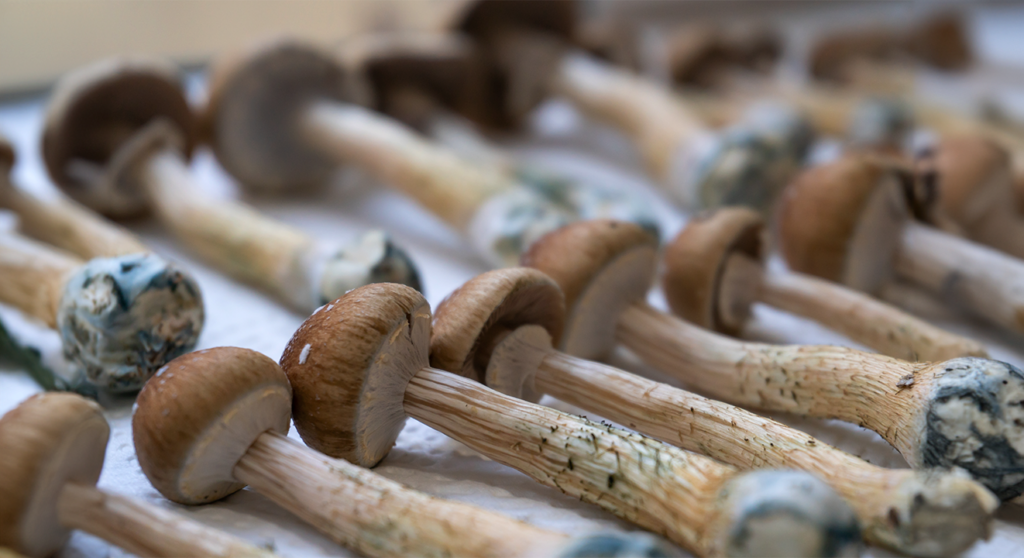
Credit: bocarecoverycenter.com
Frequently Asked Questions
What Happens If A Dog Eats Magic Mushrooms?
Magic mushrooms can cause vomiting, shaking, and confusion in dogs. They may need vet care quickly.
Are Magic Mushrooms Toxic To Dogs?
Yes, magic mushrooms are toxic and can harm a dog’s brain and body.
How To Recognize Mushroom Poisoning In Dogs?
Look for drooling, vomiting, stumbling, and unusual behavior after mushroom ingestion.
Should I Take My Dog To The Vet After Eating Mushrooms?
Yes, immediate vet attention is important to prevent serious health problems.
Can Dogs Die From Eating Magic Mushrooms?
Yes, mushroom poisoning can be fatal if not treated quickly.
How To Keep Dogs Safe From Poisonous Mushrooms?
Remove mushrooms from your yard and watch your dog closely during walks.
Conclusion
Dogs eating shrooms can be dangerous and cause serious problems. Watch your pet closely and act fast if they eat mushrooms. Call a vet immediately for the best help. Keep mushrooms out of your dog’s reach to stay safe. Knowing the risks helps you protect your furry friend.
Stay calm and get help quickly to keep your dog healthy. Prevention is always better than dealing with illness later. Your dog’s safety matters most.
As an Amazon Associate, I earn from qualifying purchases.