Are you looking for the perfect shelter to keep your small animals safe, comfortable, and happy? A well-designed small animal barn can make all the difference in their health and your peace of mind.
Whether you have rabbits, chickens, goats, or other little creatures, finding the right barn setup is key to their well-being. You’ll discover practical tips and smart ideas to build or choose a small animal barn that fits your needs and keeps your animals thriving.
Keep reading, and you’ll soon have the know-how to create a cozy home your animals will love.
Choosing The Right Location
Choosing the right location for your small animal barn is key to keeping animals happy and healthy. The spot you pick affects their comfort and safety. Think about space, weather, and protection from threats. Each factor shapes how well your barn serves its purpose.
Assessing Space And Accessibility
Find a place with enough room for animals and storage. Space helps animals move freely and stay stress-free. Check if you can reach the barn easily every day. Good access means feeding and cleaning happen without hassle. Avoid crowded or tight spots that limit movement.
Considering Weather And Climate
Pick a location shielded from harsh weather. Strong winds and heavy rain can hurt animals or damage the barn. Sunlight is good, but avoid direct exposure all day. Shade helps keep animals cool in hot weather. Think about the local climate to protect animals year-round.
Ensuring Safety From Predators
Safety is a top priority for small animals. Choose a place away from known predator paths. Check the area for signs of wild animals. Use fencing or barriers to keep predators out. A secure location lowers the risk of attacks and stress.
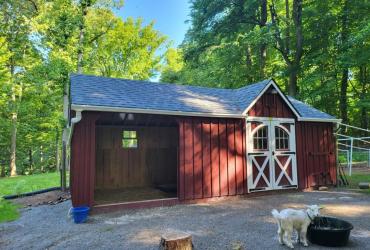
Credit: www.lancasterbarns.com
Materials For Durability
Choosing the right materials is key to building a small animal barn that lasts. Durable materials protect animals from weather and wear. They keep the structure strong through seasons. Proper materials also reduce maintenance and repair needs.
Wood Options And Treatments
Wood is a popular choice for small animal barns. Cedar and pine are common because they resist rot and pests. Pressure-treated wood lasts longer outdoors. Applying sealants or stains adds protection. These treatments prevent moisture damage and decay. Always choose wood that is safe for animals.
Metal And Plastic Components
Metal parts add strength to the barn’s frame. Galvanized steel resists rust and is very sturdy. Plastic panels or sheets can protect from wind and rain. High-density plastic is easy to clean and lightweight. Combining metal and plastic can create a tough, low-maintenance barn.
Weatherproofing Techniques
Weatherproofing keeps the barn dry and comfortable. Use waterproof paints or coatings on all surfaces. Seal gaps and joints to block drafts and moisture. Install proper roofing with good drainage. Ventilation prevents mold and keeps air fresh. These steps protect animals and extend barn life.
Designing Cozy Interiors
Designing cozy interiors for small animal barns is key to their comfort and health. A warm, safe space helps animals feel secure and happy. Thoughtful design creates a calm and inviting home for your pets or livestock.
Consider every detail, from air flow to soft bedding. Proper interior design supports animals’ needs and wellbeing. This section covers important features to make the barn cozy and functional.
Insulation And Ventilation
Good insulation keeps the barn warm in winter and cool in summer. Use materials like foam boards or straw bales for walls and roofs. Insulation helps save energy and protects animals from harsh weather.
Ventilation is equally important. Fresh air reduces moisture and harmful gases inside the barn. Install vents or windows that open easily to allow air movement. Proper airflow prevents mold and keeps animals healthy.
Bedding And Nesting Areas
Soft bedding provides warmth and comfort for small animals. Use materials like straw, wood shavings, or shredded paper. Change bedding regularly to keep the area clean and dry.
Nesting areas offer a quiet space to rest and hide. Create small shelters or boxes inside the barn. These spaces help animals feel safe and reduce stress. Make sure nesting spots are easy to access and maintain.
Lighting And Temperature Control
Natural light supports animal health and behavior. Use windows or skylights to bring in daylight. Avoid direct sunlight that can overheat the barn.
Temperature control keeps the barn comfortable year-round. Use heaters or fans as needed to maintain steady temperatures. Monitor conditions regularly to adjust settings for animal comfort.
Building Basics
Building a small animal barn starts with strong basics. These basics keep your animals safe and comfortable. Good planning helps avoid future problems. Focus on foundation, walls, roof, and access points. Each part plays a key role in the barn’s strength and usability.
Foundation And Flooring Choices
A solid foundation stops the barn from sinking or shifting. Concrete slabs and compacted gravel are common choices. Concrete lasts long and resists moisture well. Gravel drains water quickly and is cheaper. Choose flooring that is easy to clean. Non-slip surfaces help prevent animal injuries. Wood floors may be cozy but need regular care.
Wall And Roof Construction
Walls protect animals from wind, rain, and cold. Use durable materials like wood or metal panels. Wood offers good insulation and a natural look. Metal panels are strong and resist pests. The roof must keep rain and snow out. Sloped roofs allow water to run off easily. Add insulation to control barn temperature. Proper ventilation is important for fresh air.
Doors, Windows, And Access Points
Doors should be wide enough for animals and equipment. Sliding or hinged doors work well. Windows bring light and air inside the barn. Use screens to keep bugs out. Place windows high to avoid drafts. Access points must be secure but easy to open. Locking mechanisms keep animals safe from predators. Consider extra doors for quick emergency exits.
Maintenance Tips
Maintaining small animal barns is key to keeping animals healthy and safe. Regular care prevents problems and extends the barn’s life. Simple steps make maintenance easy and effective. Focus on cleaning, repairing, and preparing for seasons.
Cleaning And Sanitation
Clean the barn daily to remove waste and dirt. Use mild disinfectants safe for animals. Clean feeders and waterers often to stop germs. Keep bedding fresh and dry to avoid mold. Good sanitation lowers disease risks and keeps animals comfortable.
Repairing Wear And Tear
Check the barn regularly for broken boards or loose nails. Fix damaged doors and windows to keep animals safe. Repair fences to prevent escapes and predator entry. Replace worn-out bedding and equipment quickly. Small repairs stop bigger problems later.
Seasonal Preparations
Prepare the barn for weather changes. In winter, add extra bedding for warmth. Seal gaps to block cold drafts. In summer, provide shade and good ventilation. Clean gutters and roofs before rainy seasons. Seasonal care protects animals and barn structure.
Customizing For Different Animals
Small animal barns need special designs for different animals. Each species has unique needs. Custom barns keep animals safe and comfortable. They also help owners manage care easily.
Adjusting size, ventilation, and materials matters. Animals feel happier and healthier in proper homes. This section covers how to customize barns for common small animals.
Shelters For Rabbits
Rabbits need quiet and cozy shelters. Use soft bedding to keep them warm. A roof protects from rain and sun. Walls should block wind but allow fresh air. Space is important for rabbits to hop and stretch. Easy access doors help with cleaning and feeding.
Coops For Chickens
Chicken coops require sturdy structures. They must keep predators out. Ventilation prevents moisture and bad smells. Nesting boxes give hens private laying spots. Perches let chickens rest off the ground. The floor should be easy to clean and dry.
Housing For Guinea Pigs And Others
Guinea pigs need wide and low shelters. They like to hide and explore. Provide tunnels or small hiding spots inside. Use safe, chew-proof materials. Keep the space dry and draft-free. Other small pets need similar care but different sizes. Each barn should fit the animal’s natural habits.
Enhancing Security
Keeping small animals safe is a top priority for any barn owner. Enhancing security helps protect animals from threats and stress. A secure barn creates a safe space for animals to live and grow. It also gives peace of mind to the caretaker.
Predator-proofing Techniques
Strong barriers stop predators from entering the barn. Use heavy wire mesh with small holes to block animals like foxes and raccoons. Bury fencing at least 12 inches deep to prevent digging underneath. Secure doors and windows tightly to avoid gaps. Bright outdoor lights can scare away wild animals at night.
Locking Mechanisms
Locks keep unwanted visitors out and animals inside. Use padlocks or keyed locks on all entry points. Avoid simple latches that predators or curious animals can open. Check locks regularly to ensure they work well. Consider double-locking main doors for added safety.
Monitoring And Surveillance
Cameras help watch over the barn 24/7. Place cameras at entrances and dark corners. Motion sensors can trigger alerts if there is movement. Regularly review footage to spot any unusual activity. Lights linked to sensors can also deter intruders at night.

Credit: www.ebay.com
Budgeting And Cost-saving
Building a small animal barn can fit many budgets. Careful planning helps save money. Understanding costs early avoids surprises later. Smart choices can lower expenses without losing quality. This section covers ways to budget and save.
Affordable Material Alternatives
Wood is common but not the only option. Metal panels or recycled plastic can cost less. These materials last long and resist weather well. Using reclaimed wood or pallets cuts material costs. Choose materials that fit your climate and barn style. Simple materials reduce both cost and maintenance.
Diy Vs Professional Building
Building the barn yourself saves labor fees. Basic carpentry skills can handle small projects. Many online guides and videos help beginners. Professionals bring experience and speed but cost more. Weigh your time and skill against the price. Small repairs and changes are easier if you build it.
Long-term Investment Benefits
A well-built barn protects animals and gear. Good insulation lowers heating and cooling bills. Durable materials reduce repair expenses over time. A sturdy barn can increase your property value. Spending wisely now avoids big costs later. Think about comfort and safety for your animals too.
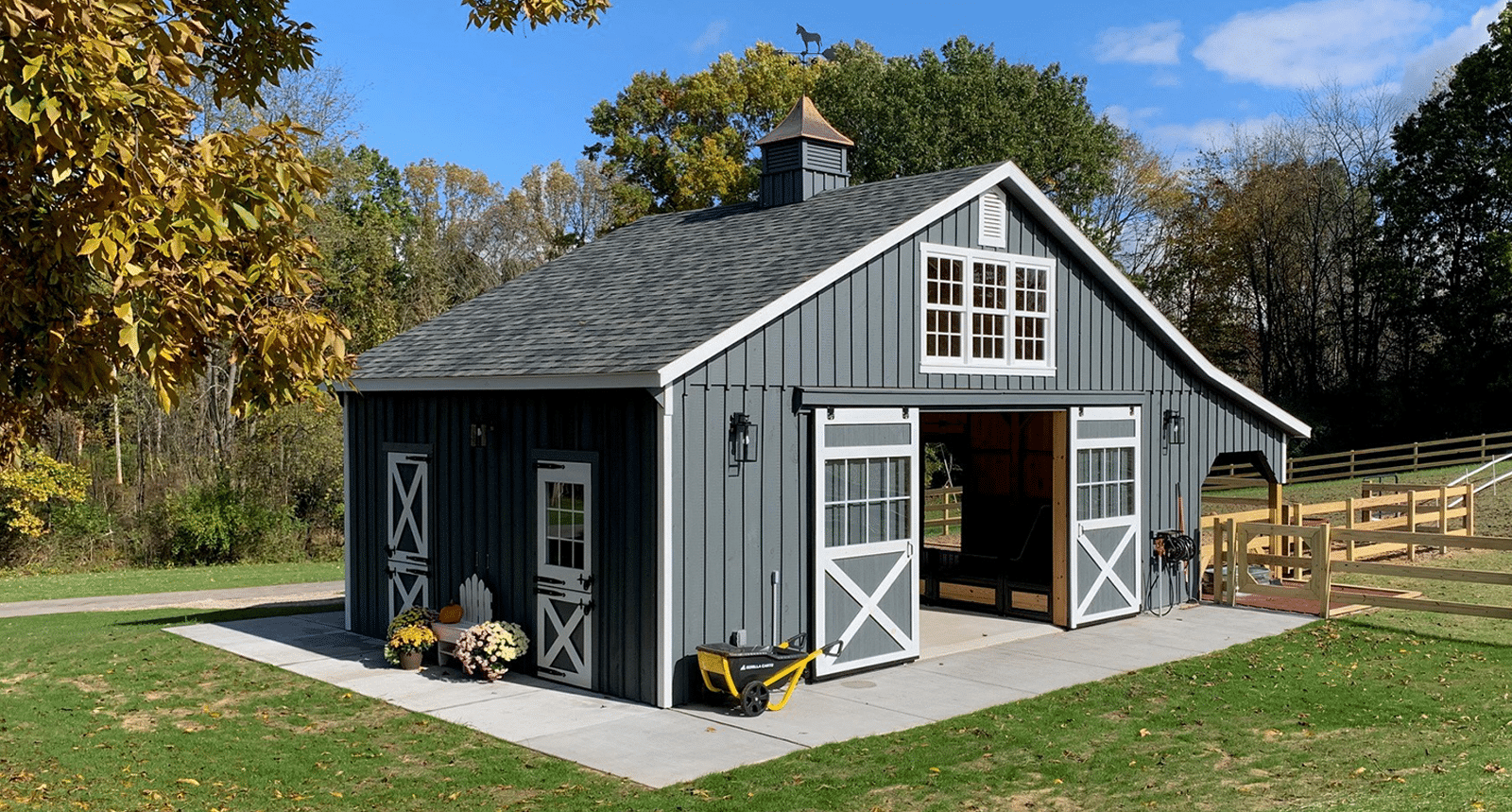
Credit: www.horizonstructures.com
Frequently Asked Questions
What Size Barn Is Best For Small Animals?
A small barn should fit your animals comfortably with space to move and rest.
How Do I Keep Small Animal Barns Clean?
Regularly remove waste, use fresh bedding, and clean surfaces with safe disinfectants.
What Materials Are Ideal For Building Small Animal Barns?
Wood and metal are strong choices, offering durability and easy maintenance.
How Can I Protect Small Animals From Predators?
Use secure doors, strong fencing, and cover openings to keep predators out.
What Ventilation Is Needed In Small Animal Barns?
Good airflow prevents moisture and keeps animals healthy without drafts.
How Do I Provide Proper Lighting In Small Animal Barns?
Natural light is best; supplement with soft artificial lights as needed.
Conclusion
Small animal barns protect pets from weather and predators. They offer a safe, comfortable space for animals to live. Choosing the right barn helps keep animals healthy and happy. Good ventilation and easy cleaning make care simple. Proper size and materials also matter a lot.
Building or buying a barn suits many small animal needs. A well-planned barn improves both animal life and your work. Think about your animals’ comfort and safety first. Small animal barns bring peace of mind every day.
As an Amazon Associate, I earn from qualifying purchases.