Have you ever wondered what makes small animal bones so fascinating? Whether you’re curious about pet health, biology, or even crafting, understanding these tiny bones can open up a whole new world for you.
These bones may be small, but they play a big role in how animals move, grow, and stay healthy. If you want to discover surprising facts and practical tips about small animal bones, keep reading—you’ll be amazed at what you learn and how it can help you care better for your furry or feathered friends.
Bone Structure Basics
Understanding bone structure basics is key to knowing how small animals move and grow. Bones give shape and support to their bodies. They also protect vital organs and help in movement. Each small animal has unique bones that suit its lifestyle and environment.
Learning about these bones helps in better care and treatment of small pets. It also reveals how they develop and stay healthy. Let’s explore the main types of bones, their composition, and how they differ across species.
Types Of Bones In Small Animals
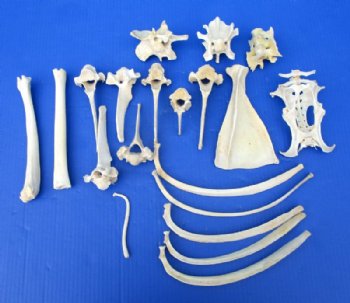
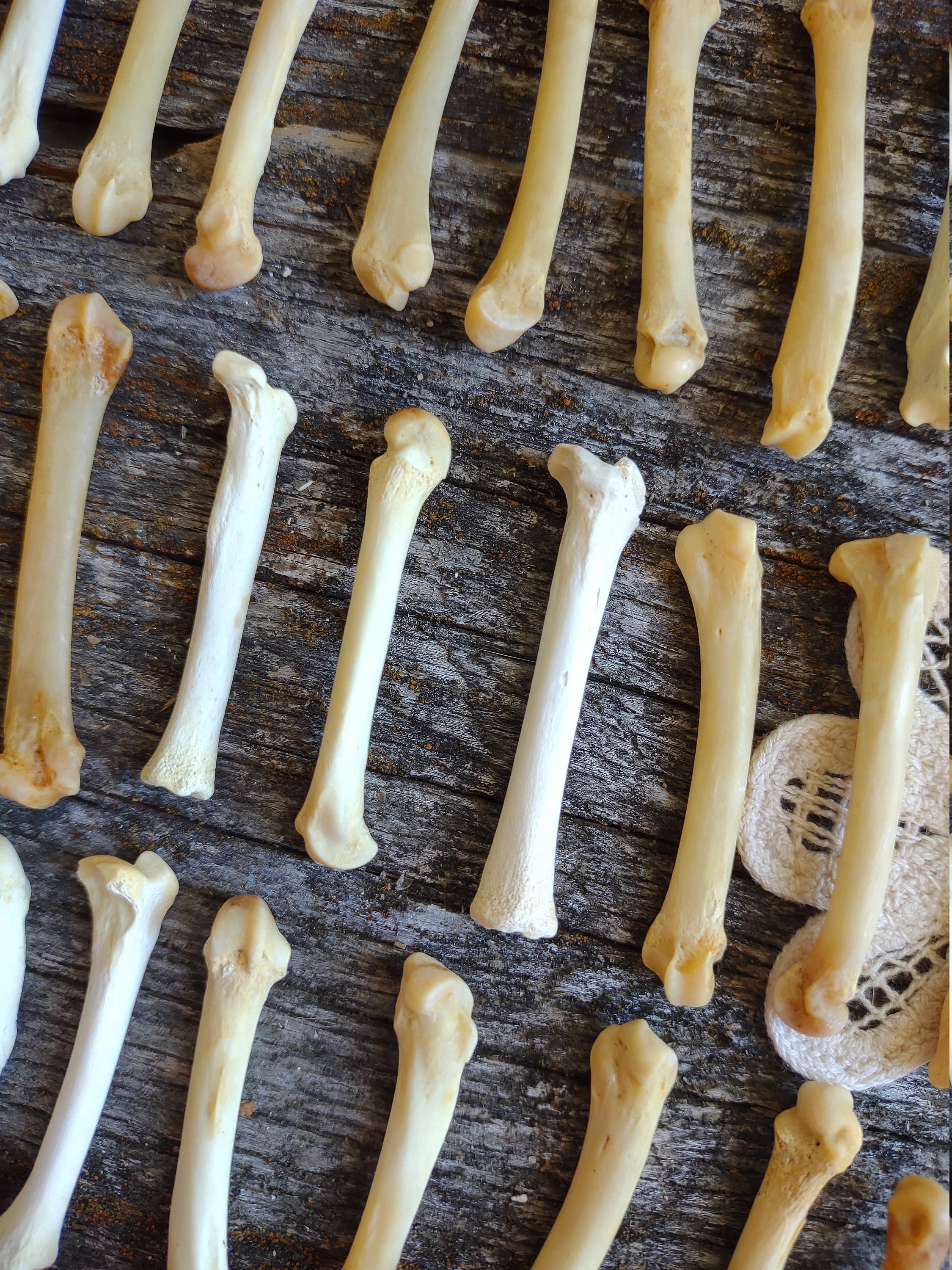
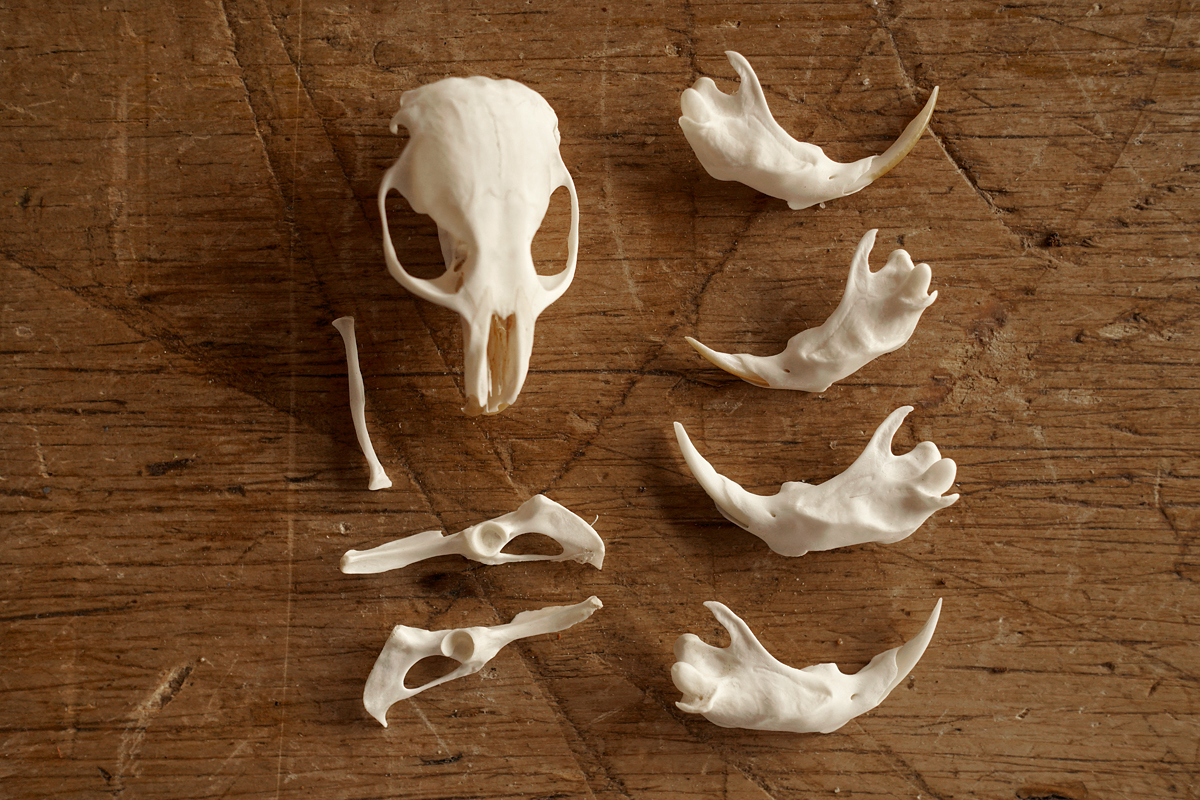
Small animals have several bone types. Long bones, like the femur, support weight and movement. Short bones, such as those in the wrist, provide stability and some motion. Flat bones protect organs, like the skull and ribs. Irregular bones have complex shapes, found in the spine and pelvis. Each type plays a special role in the animal’s body.
Bone Composition And Growth
Bones are made of minerals and collagen. Minerals like calcium make bones hard. Collagen gives bones flexibility and strength. Inside, bones have marrow that makes blood cells. Bones grow from special cells called osteoblasts. Growth happens faster in young animals. Over time, bones become stronger and denser. Proper nutrition is important for healthy bone growth.
Differences Between Species
Bone structure varies between small animal species. Rabbits have lightweight bones for quick movement. Guinea pigs have sturdy bones to support their weight. Hamsters have small, delicate bones suited for burrowing. These differences reflect their habitats and behaviors. Understanding these helps in caring for each species correctly.
Common Bone Injuries
Small animals often face bone injuries due to accidents or falls. These injuries can cause pain and limit movement. Understanding common bone injuries helps in early detection and care. This section covers typical bone problems in small animals and how they heal.
Fractures And Breaks
Fractures and breaks happen when a bone cracks or splits. Small animals can suffer from simple or complex fractures. Simple fractures are clean breaks. Complex fractures involve multiple bone pieces. These injuries often result from trauma like falls or collisions.
Some fractures may be visible from the outside. Others require an X-ray to diagnose. Treating fractures usually needs immobilization or surgery. Prompt care is essential to avoid complications.
Signs Of Bone Trauma
Bone trauma shows clear signs in small animals. Limping or refusing to move a limb is common. Swelling or bruising around the injury site may appear. The animal may cry or show discomfort when touched.
Deformity or abnormal limb position signals a serious injury. Loss of appetite and lethargy can also occur. Observing these signs early helps in faster treatment.
Healing Process
Bone healing starts immediately after injury. The body forms a blood clot around the break. New cells grow to rebuild the bone structure. Healing time varies based on injury type and animal age.
Rest and limited movement aid proper healing. Follow-up visits ensure the bone sets correctly. Nutrition and care support faster recovery. Patience is key during this process.
Nutrition For Strong Bones
Strong bones are vital for the health and happiness of small animals. Good nutrition helps build and keep bones sturdy. It supports their movement and protects them from breaks or diseases. Feeding the right nutrients can make a big difference in their bone health.
Essential Vitamins And Minerals
Calcium is the key mineral for strong bones. It forms the bone structure and keeps it dense. Vitamin D helps the body absorb calcium well. Without enough vitamin D, calcium cannot work properly. Phosphorus also supports bone strength and works with calcium. Magnesium helps keep bones flexible and healthy. These vitamins and minerals work as a team to build strong bones.
Dietary Sources
Leafy greens like kale and spinach are rich in calcium. Carrots and sweet potatoes provide vitamin A, which supports bone growth. Fish and eggs are good sources of vitamin D. Seeds and nuts contain magnesium to help bone health. Some small animals eat pellets fortified with essential nutrients. Fresh water is important, too, for nutrient absorption and overall health.
Supplements And When To Use Them
Supplements help if animals do not get enough nutrients from food. Calcium and vitamin D supplements are common for bone issues. Use supplements only after advice from a vet. Overuse can cause health problems. Healthy diet should come first. Supplements support but do not replace good food. Regular check-ups help decide if supplements are needed.
Credit: www.worldwidewildlifeproducts.com
Bone Diseases And Disorders
Small animals can face many problems with their bones. Bone diseases and disorders can cause pain and affect their movement. Understanding these issues helps with early care and treatment.
Some bone diseases are common in small animals. Others are rare but serious. Knowing the signs is important for pet owners and vets alike.
Osteoporosis And Bone Loss
Osteoporosis makes bones weak and thin. Small animals with this condition may break bones easily. Bone loss happens when the body loses calcium faster than it can replace it. This disease often shows in older pets or those with poor diets. Proper nutrition and supplements can help slow bone loss.
Arthritis In Small Animals
Arthritis causes joint pain and swelling. It affects many small animals as they age. Movement becomes stiff and difficult. This disorder can lower an animal’s quality of life. Treatment includes pain relief and gentle exercise to keep joints flexible.
Genetic Bone Conditions
Some small animals inherit bone problems from their parents. These genetic conditions can cause deformities or weak bones. Early detection through vet exams is key. Some disorders require special care to manage symptoms and improve comfort.
Preventing Bone Problems
Small animals need strong bones to stay healthy and active. Bone problems can cause pain and limit movement. Preventing these problems helps pets live a happy life. Careful attention to exercise, environment, and vet visits keeps their bones strong. Here are key ways to protect small animal bones.
Safe Exercise Practices
Exercise helps bones grow and stay healthy. Choose activities that fit your pet’s size and strength. Avoid rough play that may cause falls or injuries. Short, gentle sessions work best for small animals. Watch your pet closely to stop exercise if they seem tired or hurt.
Environmental Safety Tips
Create a safe home for your small pet. Remove sharp objects and slippery surfaces. Use soft bedding to cushion bones during rest. Keep cages and play areas clean and free of hazards. Proper lighting prevents accidents during active times. Safety reduces risks of broken bones and sprains.
Regular Vet Check-ups
Vets catch bone problems early. Schedule check-ups to monitor bone health regularly. Discuss diet and supplements that support strong bones. Ask about signs of bone pain or weakness. Early treatment prevents serious problems and keeps pets comfortable.
Credit: www.etsy.com
Treatment Options
Treating small animal bones requires careful attention and tailored methods. The right treatment depends on the type and severity of the injury. Various options help animals heal and regain strength.
Medical Interventions
Medical treatment often starts with pain relief and inflammation control. Vets use medications like painkillers and anti-inflammatory drugs. These help reduce discomfort and swelling. Immobilizing the injured area with splints or casts supports healing. Regular check-ups monitor progress and adjust treatments as needed.
Surgical Procedures
Surgery becomes necessary if bones are badly broken or displaced. Surgeons realign bones and use pins, plates, or screws to hold them. This ensures proper bone healing and function. Surgery requires anesthesia and careful post-operative care. Healing time varies based on the injury and surgery type.
Rehabilitation And Therapy
After medical or surgical treatment, rehabilitation helps restore movement. Physical therapy includes gentle exercises to improve strength and flexibility. Hydrotherapy is often used to support weight without strain. Therapy speeds recovery and improves the animal’s quality of life. Patience and consistency are key during rehabilitation.
Credit: woodlarkblog.com
Frequently Asked Questions
What Are Small Animal Bones Made Of?
Small animal bones are mainly made of calcium, phosphorus, and collagen for strength and flexibility.
How To Identify Small Animal Bones?
Look for size, shape, and texture; small animal bones are usually delicate and lightweight.
Why Do Small Animal Bones Break Easily?
They are thinner and less dense, making them more fragile than larger animal bones.
Can Small Animal Bones Be Used For Crafts?
Yes, they are popular for jewelry and art due to their unique shapes and sizes.
How To Clean Small Animal Bones Safely?
Soak in water, remove tissue, then dry; avoid harsh chemicals to protect the bone.
What Animals Have Small Bones Commonly Found?
Rodents, birds, rabbits, and small reptiles have small bones often seen in nature or collections.
Conclusion
Small animal bones play an important role in pet health and care. Knowing their structure helps understand how animals move and grow. Proper care can prevent injuries and improve their well-being. Always handle bones gently and provide safe chew toys.
This knowledge benefits pet owners and animal lovers alike. Keep learning to support your small animal’s health every day.
As an Amazon Associate, I earn from qualifying purchases.