Are small animals constantly invading your garden or home? It can be frustrating to see your plants damaged or your space disturbed.
You want a solution that works without causing harm or stress. This guide will help you discover simple and effective small animal deterrents you can use right away. By the end, you’ll have practical tips to protect your space and enjoy peace of mind.
Keep reading to find out how to keep those unwanted visitors away for good.
Common Garden Pests
Gardens attract many small animals. Some of these animals can harm plants and soil. Knowing these common garden pests helps protect your garden. Understanding what they are and the damage they cause is the first step to control them.
Types Of Small Animals
Rabbits often eat leaves and young shoots. Squirrels dig up bulbs and seeds. Moles tunnel through soil, disturbing roots. Groundhogs can eat large amounts of vegetables. Chipmunks take fruits and seeds. Birds may peck at fruits and plants. Each pest behaves differently but all can harm gardens.
Damage They Cause
Rabbits leave ragged holes in leaves and stems. Squirrels spoil bulbs, stopping plants from growing. Moles create tunnels that can uproot plants. Groundhogs eat whole plants, causing big loss. Chipmunks steal seeds, reducing plant growth. Birds peck fruits, making them unsellable. Damage weakens plants and lowers garden yield.
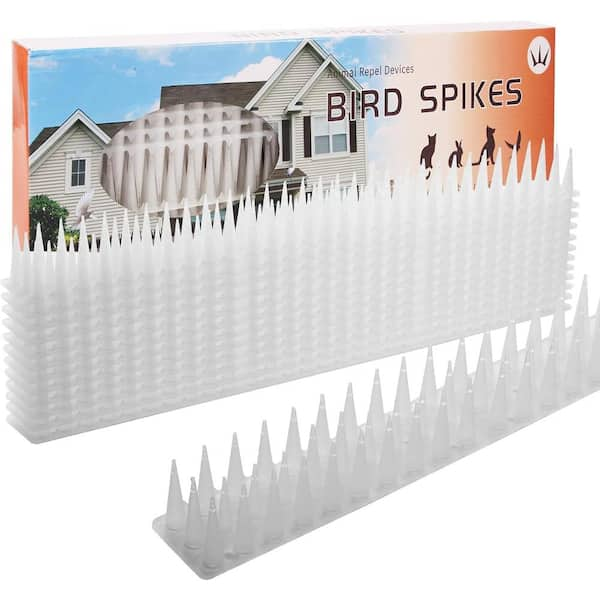
Credit: www.homedepot.com
Physical Barriers
Physical barriers stop small animals from entering gardens and yards. They create a clear boundary that animals cannot cross. These barriers protect plants and property safely and effectively. Using the right materials and designs makes all the difference.
Fencing Options
Fencing is a strong way to keep small animals away. Wire mesh fences block rabbits, squirrels, and other pests. Choose a fence with small holes to stop tiny animals. Make sure the fence is tall enough to prevent jumping.
Secure the fence deep into the ground. This prevents animals from digging underneath. Wooden or metal fences can also work if built tightly. Regularly check for holes or weak spots to keep animals out.
Netting And Covers
Netting shields plants from small animals without blocking sunlight. Use lightweight netting over garden beds and fruit trees. This keeps birds and rodents from reaching the plants. Netting is easy to install and remove when needed.
Covers made from fabric or plastic protect young plants. They create a barrier against animals and harsh weather. Choose covers that allow air and water to pass through. Replace damaged netting or covers quickly to maintain protection.
Natural Repellents
Natural repellents offer a safe way to keep small animals away. They use plants and simple ingredients to protect your garden or home. These options avoid harsh chemicals and are friendly to the environment. Natural repellents can be easy to make and use regularly.
Plant-based Solutions
Certain plants can naturally repel small animals. Mint, lavender, and rosemary have strong scents animals dislike. Planting these around your garden creates a natural barrier. Marigolds and garlic also work well as deterrents. These plants add beauty while keeping pests away. They require little care and grow in many places.
Homemade Remedies
Simple homemade mixtures can keep animals out. A spray made from garlic and water works well. Mix crushed garlic cloves with water and spray it on plants. Another option is a chili pepper spray, which animals avoid. Soap water sprays can also deter small animals. These remedies are cheap, safe, and easy to apply. Regular use helps maintain a pest-free area.
Electronic Deterrents
Electronic deterrents keep small animals away using sound or water. These devices work without harming animals or plants. They are easy to use and safe for gardens and homes. Many people prefer them for quiet, clean protection. Let’s explore two popular types.
Ultrasonic Devices
Ultrasonic devices send high-pitched sounds animals do not like. Humans cannot hear these sounds. Small animals such as rabbits, squirrels, and raccoons find the noise annoying. They leave the area to avoid discomfort. These devices use little energy and cover wide spaces. Place them near gardens or entry points for best results.
Motion-activated Sprinklers
Motion-activated sprinklers spray water when animals come close. The sudden spray surprises animals and makes them run away. This method uses natural water and avoids chemicals. It works well for deer, cats, and other small animals. Install sprinklers where animals enter your yard. They are simple to set up and save your plants.
Behavioral Techniques
Behavioral techniques focus on changing how small animals act around your property. These methods do not harm animals but encourage them to avoid certain areas. They use natural animal instincts to keep your space safe and undisturbed.
Scare Tactics
Scare tactics make animals feel unsafe. Loud noises like claps or banging pots can startle them. Motion-activated lights also surprise animals at night. Scarecrows or fake predators create a visual threat. Animals learn to stay away from these signals. These methods work best if you change them often. Animals get used to the same scare and ignore it.
Habitat Modification
Changing the environment helps prevent animals from settling. Remove food sources like fallen fruit or pet food. Clear tall grass or brush where animals hide. Seal holes or gaps in fences and walls. Keep compost bins closed tightly. These actions make your space less inviting. Animals look for places with food and shelter. Making your yard less cozy sends a strong message.

Credit: www.amazon.com
Pet-friendly Approaches
Pet-friendly approaches to small animal deterrent focus on keeping animals safe. They also protect your garden or home from damage. These methods help create a balance between nature and your living space. They avoid harm to pets or wildlife.
Using Companion Animals
Some pets can help keep small animals away. Dogs and cats are natural hunters. Their presence can scare off unwanted animals. Certain dog breeds are better at guarding yards. Cats often chase rodents and birds. Having these pets around can reduce small animal problems. It also adds security and companionship.
Safe Repellent Choices
Choose repellents that do not harm pets or wildlife. Natural repellents like peppermint oil or garlic sprays work well. They create smells that small animals dislike. Avoid toxic chemicals or poisons. Use products labeled safe for pets. Homemade mixtures can also deter small animals safely. Always test repellents on a small area first. This prevents damage to plants or surfaces.
Maintenance Tips
Maintaining your small animal deterrent is key to keep it effective. Regular care helps stop animals from coming back. It also extends the life of your deterrent system. Follow these simple tips to keep your setup working well.
Regular Inspection
Check your deterrent often. Look for holes, cracks, or loose parts. Small damages let animals find a way in. Inspect fences, barriers, and devices every few weeks. Watch for signs of animal activity nearby. Early spotting saves time and money.
Prompt Repair
Fix any damage right away. Patch holes or replace broken parts quickly. Delaying repairs invites more animals inside. Use strong materials suited for outdoor use. Keep tools and repair items handy for fast action. A quick repair keeps your deterrent strong and reliable.
Credit: www.nixalite.com
Frequently Asked Questions
What Are Small Animal Deterrents And How Do They Work?
Small animal deterrents keep animals away by using smells, sounds, or barriers they dislike.
Which Small Animal Deterrents Are Safe For Gardens?
Natural sprays, motion-activated sprinklers, and fences are safe and effective for garden use.
Can Small Animal Deterrents Harm Pets Or Children?
Most deterrents are safe, but always check labels to ensure they are pet- and child-friendly.
How Long Do Small Animal Deterrents Usually Last?
Effectiveness varies; sprays may last weeks, while barriers can work for months or years.
Are Ultrasonic Repellents Effective For Small Animals?
Ultrasonic repellents can work but may not affect all animals or work in noisy areas.
What Is The Best Way To Choose A Small Animal Deterrent?
Consider the animal type, area size, safety, and ease of use when selecting a deterrent.
Conclusion
Protecting your garden from small animals takes patience and care. Simple deterrents can keep animals away without harm. Choose methods that suit your space and needs. Consistency helps to keep unwanted animals at bay. Enjoy a healthier garden with fewer animal problems.
Stay observant and adjust your approach if needed. Small steps make a big difference over time. Keep your plants safe and your garden thriving.
As an Amazon Associate, I earn from qualifying purchases.