If you have small animals like rabbits, chickens, or goats, keeping them safe and contained can be a challenge. A small animal electric fence might be just what you need.
Imagine a simple, effective way to protect your pets without constant supervision. This solution not only keeps your animals secure but also gives you peace of mind. Curious how it works and why it’s the best choice for your space?
Keep reading to discover everything you need to know about small animal electric fences.
Credit: www.zarebasystems.com
Choosing The Right Fence
Choosing the right electric fence for small animals is important for safety and effectiveness. The right fence keeps pets safe and stops them from escaping. It also protects your garden or yard from wild animals. Understanding the types, materials, and size helps you pick the best fence.
Fence Types For Small Animals
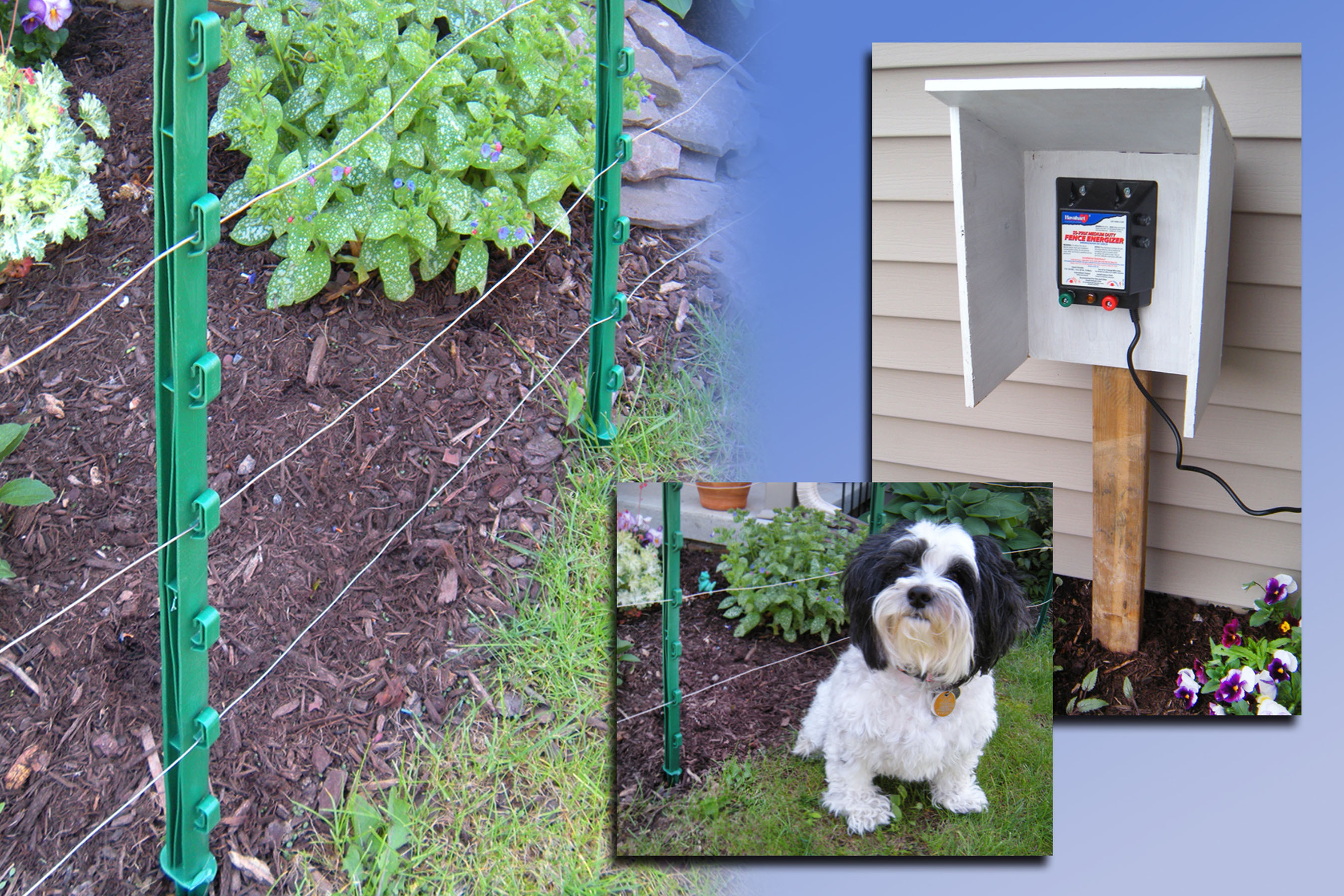
Electric fences for small animals come in different types. The most common are wire fences and tape fences. Wire fences use thin wires that deliver a small electric shock. Tape fences are wider and easier to see. Both types work well, but tape fences are better for visibility.
Some fences use a net design to stop small animals from slipping through. Others have closely spaced wires for extra security. Choose a type based on your animal’s behavior and the area you want to protect.
Materials And Durability
Fence material affects how long the fence lasts. Plastic tapes and nylon wires resist weather well. Metal wires are strong but can rust over time. Coated wires last longer and need less care.
Check the quality of insulators and posts too. Good insulators keep electricity flowing safely. Strong posts hold the fence tight against wind and animals. Durable materials save money and effort in the long run.
Sizing And Height Considerations
The size and height of the fence depend on your animal’s size and jumping ability. Small animals like rabbits need low fences, about 18 inches high. Larger animals like dogs may need fences 24 inches or taller.
Make sure the fence spacing is small enough to stop animals from squeezing through. The electric pulse should be strong but safe. Adjust the fence height and length to fit your yard and keep animals secure.
Credit: www.prnewswire.com
Installation Tips
Installing a small animal electric fence is simple with the right steps. Proper setup ensures safety and effectiveness. Follow these tips for a smooth installation process.
Preparing The Site
Clear the area of rocks, branches, and tall grass. Make sure the ground is flat and dry. Mark the fence line with stakes or flags. This helps keep the fence straight and organized.
Setting Up The Fence
Place the fence posts firmly in the ground along the marked line. Attach the electric wires or tape to the posts. Keep the wires tight but not too tight to avoid breakage. Check that the fence is at the right height for your animals.
Connecting The Power Source
Choose a power source suitable for your fence size. Connect the charger or energizer to the fence wires. Make sure the ground rod is properly installed in moist soil. Test the fence voltage with a fence tester before use.
Safety Measures
Safety is the top priority when using a small animal electric fence. Proper safety measures protect animals and people. They also keep the fence working well for a long time.
Avoiding Common Hazards
Keep the fence away from wet areas and metal objects. Water and metal can cause short circuits. Make sure the fence wires are tight and not touching plants. Loose wires can shock more than needed.
Place warning signs near the fence. This alerts visitors and children. Check the fence voltage often to keep it at a safe level. Too much power can hurt animals.
Animal Comfort And Stress Reduction
Use gentle pulses instead of constant shocks. This reduces animal stress and fear. Train animals to understand the fence boundaries. Use treats or positive reinforcement during training.
Choose fence height suitable for each animal type. Avoid wires that are too low or too high. This prevents accidental shocks and injuries.
Regular Maintenance Checks
Inspect the fence daily for damage or loose wires. Fix any problems quickly to keep the fence safe. Clean fence posts and remove plants near wires.
Test the energizer regularly to ensure it works correctly. Replace batteries or parts as needed. A well-maintained fence lasts longer and stays safe.
Training Your Pet
Training your pet to use a small animal electric fence takes patience and care. It helps your pet understand boundaries safely. Clear steps make this process smooth and less stressful for both you and your pet.
Introducing The Fence
Start by showing the fence to your pet without turning it on. Let them sniff and explore it calmly. Use a leash to keep control and prevent sudden moves. After a few days, turn on the fence at the lowest setting. Allow your pet to experience a mild warning. This helps them learn the boundary without fear.
Positive Reinforcement Techniques
Reward your pet with treats or praise when they stay inside the fence. This encourages good behavior. Use a calm voice and gentle petting. Avoid punishment or harsh words. Positive feedback helps your pet feel safe and confident near the fence. Repeat rewards often to build a strong habit.
Monitoring Behavior
Watch your pet closely during training sessions. Note if they seem scared or confused. Adjust the fence settings if needed to ensure comfort. Keep sessions short to avoid stress. Gradually increase freedom as your pet learns. Consistent monitoring helps keep training effective and safe.
Troubleshooting Problems
Small animal electric fences help keep pets safe and secure. Problems can happen that stop the fence from working well. Troubleshooting these issues helps protect your animals and keeps the fence running smoothly. Understanding common problems and solutions saves time and stress.
Detecting Malfunctions
Check the fence for breaks or loose wires. Look for areas where the wire touches metal or plants. These can cause shorts and stop the fence from working. Use a fence tester to measure the electric pulse. Low or no pulse means a problem exists. Check the energizer unit for lights or error signals. These can show if the fence is on or off.
Fixing Power Issues
Make sure the energizer is plugged in and has power. Inspect batteries if the system uses them. Replace old or weak batteries for better performance. Clear any dirt or debris around the energizer and connections. Wet soil or metal can drain power. Tighten loose connections on the energizer and fence wires. This improves the flow of electricity.
Dealing With Escape Attempts
Animals may test weak spots in the fence. Check corners and gates first. Strengthen these areas with extra wires or posts. Trim plants near the fence to prevent shorts. Add warning signs to keep people away. Train animals to respect the fence with gentle corrections. Regularly inspect the fence for new damage or gaps.

Credit: bestharveststore.com
Legal And Ethical Considerations
Installing an electric fence for small animals requires careful thought about the law and ethics. Safety and respect for animals must guide every step. Understanding legal rules and ethical duties helps avoid problems and protects your animals.
Local Regulations
Check local laws before installing an electric fence. Rules differ by city, county, and state. Some places have strict limits on fence voltage and placement. Failing to follow these rules can lead to fines or removal orders. Contact local authorities for clear guidance.
Animal Welfare Concerns
Electric fences must not harm animals physically or mentally. Use low-voltage systems designed for small animals. Regularly inspect the fence to prevent injuries. Avoid causing stress or fear to your pets. Humane treatment shows respect and care.
Responsible Ownership
Owners must monitor fences daily to ensure safety. Teach animals to understand the fence boundaries. Provide enough space, food, and water inside the enclosure. Be ready to fix any fence issues immediately. Responsible care prevents accidents and keeps animals happy.
Frequently Asked Questions
What Is A Small Animal Electric Fence?
A small animal electric fence keeps pets or livestock safe by using low electric pulses.
How Does A Small Animal Electric Fence Work?
It sends mild shocks through a wire to stop animals from crossing the boundary.
Can Small Animal Electric Fences Keep Predators Away?
Yes, they create a safe barrier to protect small animals from predators.
Are Small Animal Electric Fences Safe For Pets?
Yes, the shocks are low and designed not to harm but to deter animals.
How Do I Install A Small Animal Electric Fence?
Set up posts, run the wire, connect the charger, and test the system.
What Animals Can A Small Animal Electric Fence Control?
It works well for dogs, cats, rabbits, chickens, and other small pets or livestock.
Conclusion
Small animal electric fences keep pets safe and secure. They are easy to install and maintain. You can protect your garden or yard without much effort. These fences give peace of mind to pet owners. Choosing the right fence depends on your animal’s size and behavior.
Proper use helps prevent animals from wandering off or getting hurt. A small electric fence is a smart choice for many households. It offers a simple solution for animal safety and boundary control. Consider your needs, and your fence will work well.
As an Amazon Associate, I earn from qualifying purchases.