Are you tired of constantly refilling your small animal’s food bowl? Finding the right small animal feeder can make your life so much easier and keep your furry friend happy and healthy.
Whether you have a hamster, rabbit, guinea pig, or any other little pet, the perfect feeder ensures they get the right amount of food at the right time. You’ll discover how to choose a feeder that fits your needs and your pet’s habits.
Keep reading to find out how a simple change can make a big difference for both you and your small animal.

Credit: www.weaverlivestock.com
Benefits Of Small Animal Feeders
Small animal feeders bring many advantages to pet owners. They make feeding easier and more reliable. Pets get their meals on time. Owners save effort and worry less about feeding schedules. These feeders also help control how much animals eat. This keeps pets healthy and happy.
Time-saving Features
Small animal feeders save time every day. They allow owners to fill the feeder once. Then the feeder releases food at set times. No need to feed pets multiple times a day. This is great for busy people or those away from home. Less time spent feeding means more time for fun and care.
Consistent Feeding Schedules
Pets need regular feeding times to stay healthy. Small animal feeders deliver food at the same time daily. This consistency helps pets develop good eating habits. It reduces stress for animals that expect food on time. A steady routine supports better digestion and energy levels.
Portion Control Advantages
Overfeeding or underfeeding can harm small animals. Feeders allow precise control over meal size. Owners can set exact portions for each feeding. This prevents waste and keeps pets at a healthy weight. Proper portions reduce risks of obesity and illness.
Credit: miller-mfg.com
Types Of Small Animal Feeders
Small animal feeders come in various types to suit different needs. Choosing the right feeder helps keep your pet healthy and happy. Each type offers unique features for feeding convenience and control.
Automatic Feeders
Automatic feeders release food at set times. They help maintain a regular feeding schedule. This type is perfect for busy pet owners. It reduces the chance of overfeeding or underfeeding. Many models hold dry food and portion it accurately.
Manual Feeders
Manual feeders require daily filling and cleaning. They are simple and affordable. This type works well for owners who feed pets personally. It allows direct control over the amount of food given. Ideal for small spaces or travel use.
Gravity Feeders
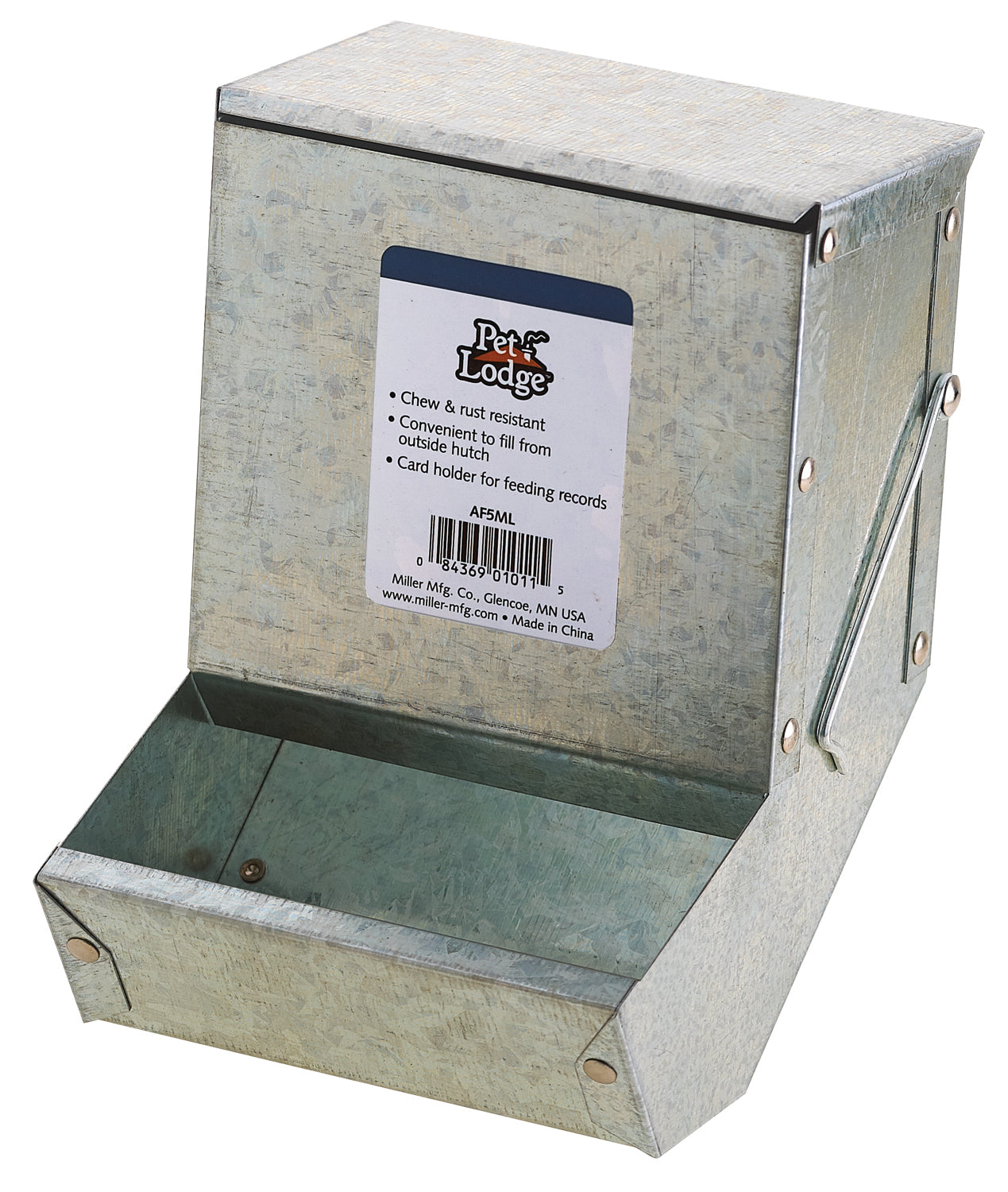
Gravity feeders use the force of gravity to supply food. Food flows down as your pet eats. They keep a steady supply without needing electricity. Great for dry food and long-term feeding. Easy to refill and maintain.
Smart Feeders With Apps
Smart feeders connect to apps on your phone. They let you schedule meals remotely. You can monitor your pet’s eating habits easily. Some models offer portion control and alerts. Perfect for tech-savvy owners wanting full control.
Choosing The Right Feeder
Choosing the right feeder for your small animal is important. The feeder should fit your pet’s needs and habits. A good feeder makes feeding easier and keeps your pet healthy. There are several things to think about before buying one.
Understanding what works best for your pet saves time and stress. It also helps avoid food waste and mess. Here are key points to consider.
Considering Pet Size And Diet
Choose a feeder that matches your pet’s size. Small feeders suit tiny pets like hamsters or mice. Larger feeders work well for rabbits or guinea pigs. The feeder should hold the right food amount.
Think about your pet’s diet too. Some animals eat dry food, others need fresh veggies. Pick a feeder that fits the type of food your pet eats daily.
Material And Durability
Look for feeders made of safe materials like BPA-free plastic or stainless steel. These materials last longer and resist chewing damage. Avoid feeders that break easily or have sharp edges.
Durable feeders save money. They also keep your pet safe from injuries or toxic materials.
Ease Of Cleaning
Choose a feeder that is easy to clean and maintain. Removable parts help clean every corner. A clean feeder prevents mold and bacteria growth.
Regular cleaning keeps your pet healthy. It also avoids bad smells and food contamination.
Power Source Options
Some feeders use batteries, others plug into the wall. Battery-powered feeders offer more flexibility and can be placed anywhere. Plug-in feeders need a nearby outlet but run continuously.
Think about how often you want to refill or charge the feeder. Choose the power option that fits your lifestyle best.

Credit: www.agrisupply.com
Setting Up Your Feeder
Setting up your small animal feeder correctly ensures your pet eats well and stays healthy. Proper setup helps avoid food waste and keeps feeding times consistent. Follow simple steps to get your feeder ready for daily use.
Placement Tips
Place the feeder in a quiet spot. Choose a location away from direct sunlight and drafts. Make sure your pet can reach it easily. Avoid areas with heavy foot traffic. Keep the feeder on a stable surface to prevent spills.
Programming Feeding Times
Set feeding times based on your pet’s needs. Use the feeder’s timer to schedule meals. Keep feeding times regular to support your pet’s routine. Avoid sudden changes to prevent stress. Double-check the timer settings before starting.
Loading Food Properly
Fill the feeder with fresh, dry food only. Avoid overfilling to stop food from jamming. Clean the feeder before adding food. Use the right type of food for your small animal. Ensure the food flows smoothly from the feeder.
Maintaining And Troubleshooting
Maintaining and troubleshooting your small animal feeder helps keep it working well. Clean parts and check for problems often. This care saves you time and keeps your pet happy.
Regular Cleaning Routine
Clean the feeder every week to stop food build-up. Use warm water and mild soap. Rinse well to remove soap traces. Dry all parts before putting them back. This prevents mold and keeps food fresh.
Common Issues And Fixes
The feeder may jam if food is too dry or stuck. Remove the food and clean the blockage carefully. Check moving parts for damage or wear. Tighten loose screws to avoid leaks or spills. Replace broken parts to keep feeding smooth.
Battery And Power Maintenance
Check batteries regularly to ensure the feeder runs well. Replace old batteries with fresh ones. Clean battery contacts to stop rust or dirt. For electric feeders, check the power cord and plug. Avoid water near electrical parts to prevent damage.
Enhancing Feeding Experience
Small animal feeders do more than hold food. They make feeding time better and more fun for pets and owners. A good feeder helps pets eat the right amount and stay healthy. It also saves time and reduces mess. Let’s explore ways to enhance the feeding experience with feeders.
Combining Feeders With Treat Dispensers
Feeders that include treat dispensers add excitement to meals. Pets get treats as rewards for eating or playing. This encourages good behavior and keeps pets active. Treats can be healthy snacks or small bites of food. Combining feeders with treat dispensers makes feeding time more interactive and fun.
Using Feeders For Multiple Pets
Some feeders are designed for more than one animal. They have separate sections to prevent fights over food. Multiple pets can eat at the same time without stress. This setup helps owners manage group feeding easily. It also ensures each pet gets its share without leftovers or shortages.
Monitoring Feeding Habits
Modern feeders help track how much pets eat daily. This information helps spot changes in appetite or health quickly. Some feeders have smart features to record feeding times and portions. Monitoring habits helps owners give better care and notice problems early. Consistent feeding routines support pet well-being and happiness.
Frequently Asked Questions
What Is A Small Animal Feeder?
A small animal feeder is a device that holds and dispenses food for pets like rabbits and guinea pigs.
How Does A Small Animal Feeder Work?
It releases food gradually, keeping it clean and preventing waste.
What Materials Are Best For Small Animal Feeders?
Plastic and stainless steel are common, as they are safe and easy to clean.
Can Small Animal Feeders Help Control Pet Diet?
Yes, they regulate food portions to prevent overeating and obesity.
How Often Should I Refill A Small Animal Feeder?
Refill based on your pet’s eating habits, usually every 1-3 days.
Are Small Animal Feeders Easy To Clean?
Most feeders are designed for easy cleaning to maintain pet health.
Conclusion
Choosing the right small animal feeder keeps pets happy and healthy. It saves time and reduces mess around the cage. Feeding becomes easier and more consistent every day. You can enjoy watching your pet eat without worry. A good feeder fits your pet’s size and habits well.
Simple tools make caring for small animals less stressful. Small changes can make a big difference in pet care. Keep your pet’s needs in mind when selecting a feeder. Good feeding habits lead to a joyful pet and owner.
As an Amazon Associate, I earn from qualifying purchases.