If you care for a small pet, you know how important their health is to you. Sometimes, your furry friend may have trouble eating on their own.
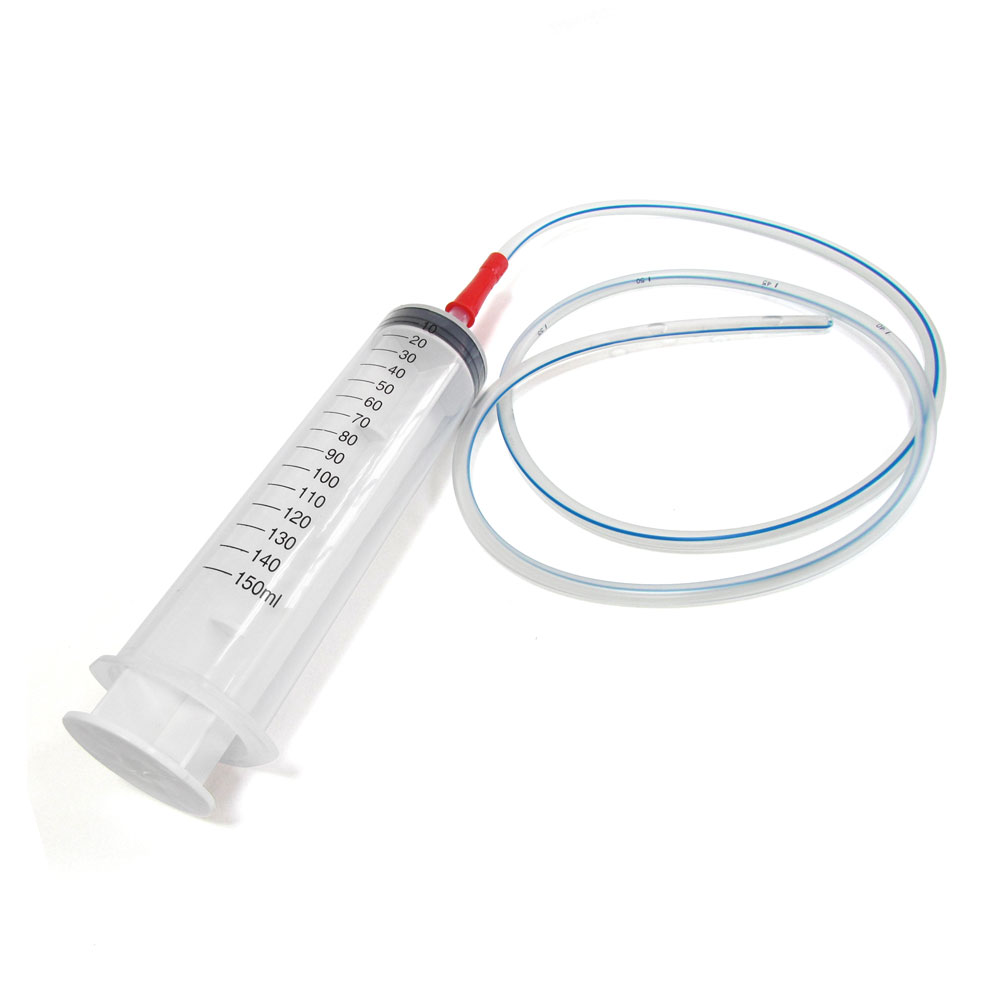
That’s where a small animal feeding tube can make a big difference. It helps ensure your pet gets the nutrition they need when they can’t eat by themselves. You’ll discover how feeding tubes work, when they are needed, and how to use them safely.
Keep reading to learn how you can support your pet’s recovery and keep them strong.
Credit: homelabvet.com
Types Of Feeding Tubes
Feeding tubes provide vital nutrition to small animals unable to eat by themselves. Various types serve different needs. Each tube type fits specific medical conditions and feeding durations. Understanding these helps in choosing the right tube for care.
Nasoesophageal Tubes
Nasoesophageal tubes pass through the nose into the esophagus. They deliver food directly to the stomach. These tubes are thin and flexible. They suit short-term feeding needs. Placement is quick and causes minimal discomfort. They require careful monitoring to avoid displacement.
Esophagostomy Tubes
Esophagostomy tubes enter through the side of the neck into the esophagus. They allow long-term feeding. These tubes are larger and more durable. They reduce irritation in the nose and throat. Animals tolerate them well over weeks or months. Proper care prevents infections around the insertion site.
Gastrostomy Tubes
Gastrostomy tubes go directly into the stomach through the abdominal wall. They support long-term feeding in animals with swallowing problems. These tubes provide a stable and secure feeding route. They allow feeding of liquid diets or medications. Regular cleaning around the site is essential to avoid complications.
Jejunostomy Tubes
Jejunostomy tubes place food into the small intestine beyond the stomach. They suit cases where the stomach needs to rest. Feeding is slower and continuous with these tubes. They help animals with severe digestive issues. Careful placement requires surgical expertise. These tubes need close monitoring for blockages.
Choosing The Right Tube
Choosing the right feeding tube for a small animal is important. It ensures the pet gets the right nutrition safely. The choice depends on many factors. Understanding these helps in picking the best tube.
Factors To Consider
Several key points affect the choice of a feeding tube. The tube’s size must fit the animal well. The tube material should be safe and comfortable. Ease of use for the caregiver matters too. These aspects help avoid harm and stress.
Pet Size And Species
Small animals vary widely in size and type. A feeding tube for a rabbit differs from one for a ferret. The tube must match the animal’s mouth and throat size. Using the right tube prevents choking and injury. Species differences also affect tube shape and length.
Medical Conditions
Some animals have special health needs. Conditions like mouth sores or throat swelling need gentle tubes. Certain illnesses require tubes that reduce infection risks. Discussing medical issues with a vet guides the choice. The right tube supports healing and comfort.
Duration Of Use
Short-term and long-term feeding tubes differ. Temporary tubes are easier to place and remove. Long-term tubes need to be durable and safe for extended use. The feeding plan duration helps decide the tube type. Proper care extends the life of long-term tubes.
Placement Procedures
Placing a feeding tube in small animals requires careful steps. Each step ensures safety and proper function of the tube. The process includes preparing the animal, inserting the tube, and checking its position. Awareness of possible problems helps in avoiding complications.
Preparation And Sedation
Prepare the animal by fasting for several hours before the procedure. Sedation helps keep the animal calm and still. The vet uses mild sedatives to reduce stress and pain. Clean the insertion area to prevent infections. Monitoring vital signs is important during sedation.
Insertion Techniques
The tube is gently inserted through the mouth or nose. The vet carefully guides it down the throat into the stomach or intestine. Proper lubrication makes the process smoother. The tube size must fit the animal’s size. Secure the tube to prevent movement or slipping out.
Radiographic Confirmation
X-rays confirm the tube is correctly placed. This step prevents feeding into the lungs or wrong areas. Radiographs show the tube’s path and final position. Adjustments can be made if the tube is misplaced. This ensures safe and effective feeding.
Potential Complications
Complications can include tube blockage or infection at the site. The animal may cough or gag during insertion. Accidental placement in the lungs is a serious risk. Regular checks and cleaning reduce these problems. Immediate vet care is needed if issues arise.
Feeding Protocols
Feeding protocols for small animals with feeding tubes are essential for their health. Proper care ensures animals get the right nutrients. These protocols guide caregivers on how to feed safely and effectively. Clear steps help prevent complications and improve recovery. Understanding these protocols supports the animal’s wellbeing.
Calculating Nutritional Needs
Start by determining the animal’s weight and condition. Calculate daily calorie requirements based on size and health. Use veterinary guidelines to find exact nutrition amounts. Balance protein, fats, and carbohydrates for energy. Adjust calculations as the animal’s condition changes. Accurate calculations prevent overfeeding or underfeeding.
Feeding Schedules
Divide daily nutrition into several small feedings. Frequent meals help digestion and reduce discomfort. Follow a consistent schedule to create routine. Monitor the animal’s tolerance to feeding times. Modify intervals if signs of distress appear. Regular feeding supports steady energy levels and healing.
Types Of Food And Formulas
Select formulas designed for small animals or veterinary use. Liquid diets are easier to deliver through tubes. Choose balanced formulas with vitamins and minerals. Avoid foods that cause blockages or irritation. Warm the food to body temperature before feeding. Proper food types ensure safety and nutrition.
Avoiding Common Feeding Issues
Watch for tube blockages and clean tubes regularly. Prevent aspiration by feeding slowly and carefully. Observe for signs of discomfort or vomiting. Keep the feeding area clean to reduce infection risk. Consult a vet if problems persist. Early action stops complications and aids recovery.
Tube Maintenance And Care
Proper care of a small animal feeding tube is essential for the pet’s health. Regular maintenance keeps the tube working well and prevents problems. Simple steps help avoid infections and blockages. Careful watching can spot issues early before they get worse.
Cleaning Techniques
Flush the tube with warm water after each use. Use a syringe to push water through gently. Clean the outside of the tube with mild soap and water. Avoid harsh chemicals that can damage the tube. Dry the tube carefully with a clean cloth. Keep the feeding area clean and dry to stop germs.
Preventing Blockages
Flush the tube before and after feeding. Use only the prescribed food or medication. Avoid thick mixtures that can clog the tube. Break up food into small, smooth pieces. If blockage occurs, flush with warm water slowly. Never force fluid through a blocked tube.
Monitoring For Infections
Check the tube site daily for redness or swelling. Watch for unusual smells or discharge. If the pet shows pain or fever, act quickly. Clean the site gently with antiseptic solutions. Keep the area dry and protected from dirt. Report any signs of infection to the vet.
When To Replace The Tube
Replace the tube if it cracks or becomes stiff. Change it if blockages cannot be cleared. Follow the vet’s advice on tube replacement timing. Regular checks help decide when to change the tube. Use new tubes that fit well and are clean. Proper replacement avoids risks and keeps feeding safe.

Credit: todaysveterinarynurse.com
Troubleshooting Common Problems
Troubleshooting common problems with small animal feeding tubes helps keep pets safe and comfortable. These tubes support animals that cannot eat normally. Knowing how to spot issues early can prevent complications. Prompt action improves recovery and reduces stress for both pets and owners.
Tube Dislodgement
Tube dislodgement happens when the feeding tube moves out of place. This can cause discomfort or stop nutrition delivery. Check the tube’s position often. Secure the tube with proper dressings. If the tube falls out, contact a veterinarian immediately. Do not try to reinsert the tube without help.
Blockages And Leaks
Blockages in the feeding tube stop food flow. They often occur from thick food or medication buildup. Flush the tube with warm water after each use. Leaks can appear around the tube site. They may cause skin irritation or reduce feeding efficiency. Inspect the tube and site regularly to catch leaks early.
Signs Of Infection
Infections around the feeding tube site need quick attention. Watch for redness, swelling, or discharge. A bad smell or warmth at the site can also signal infection. Keep the area clean and dry. Report any signs of infection to a vet for proper treatment.
Managing Patient Discomfort
Small animals may feel pain or irritation from the tube. Monitor their behavior for signs like restlessness or licking the site. Use soft padding to protect the tube area. Follow veterinary advice for pain relief. Comfort helps pets heal faster and accept feeding tubes better.
Owner Responsibilities
Owning a small animal with a feeding tube requires careful attention and commitment. The owner plays a key role in the pet’s health and recovery. Proper care helps prevent infections and complications. Understanding your responsibilities ensures your pet stays comfortable and safe.
Daily Care Tips
Keep the feeding tube clean every day. Wash your hands before handling the tube. Check the tube site for redness or swelling. Flush the tube as your vet instructs. Give food and medicine slowly to avoid discomfort. Store feeding supplies in a clean, dry place.
Recognizing Warning Signs
Look for changes in your pet’s behavior. Watch for vomiting, diarrhea, or loss of appetite. Notice if the tube site looks irritated or leaks fluid. Check for fever or unusual smells. Any sudden change could mean a problem. Early detection helps your pet get quick care.
When To Contact A Veterinarian
Call your vet if the tube falls out or clogs. Reach out if your pet refuses food or water. Contact them if you see swelling or bleeding at the tube site. Seek help if your pet seems weak or in pain. Do not wait to get professional advice.
Emotional Support For Pets
Small animals can feel scared or stressed. Speak softly and handle your pet gently. Spend time petting and comforting them. Keep a calm environment during feeding and care. Your love helps your pet heal faster. Patience and kindness build trust every day.

Credit: jorvet.com
Frequently Asked Questions
What Is A Small Animal Feeding Tube?
A small animal feeding tube helps deliver food directly to pets that cannot eat by mouth.
How Do Feeding Tubes Benefit Sick Small Animals?
They provide nutrition safely and reduce stress for animals too weak to eat normally.
What Types Of Feeding Tubes Are Used For Small Animals?
Common types include nasogastric, esophagostomy, and gastrostomy tubes.
How Is A Small Animal Feeding Tube Placed?
A vet places it carefully under sedation or anesthesia for comfort and safety.
Can Small Animals Eat Normally After Using A Feeding Tube?
Yes, many resume normal eating once they recover and the tube is removed.
How Do I Care For My Pet’s Feeding Tube At Home?
Keep the tube clean, follow vet instructions, and watch for signs of infection.
Conclusion
Feeding tubes help small animals get the nutrition they need. They support recovery and improve health in sick pets. Using the right tube and care is very important. Pet owners should follow vet advice closely. This helps avoid problems and speeds healing.
Feeding tubes can make a big difference in care. They offer a safe way to feed animals who cannot eat by themselves. Proper use leads to better outcomes and happier pets. Caring for your pet with a feeding tube shows love and responsibility.
As an Amazon Associate, I earn from qualifying purchases.