Are you worried about keeping your small pets safe and secure? A small animal fence could be the perfect solution for you.
Whether you have rabbits, chickens, or other little creatures, the right fence can protect them from predators and keep them from wandering off. But not all fences are created equal, and choosing the best one for your needs can be confusing.
You’ll discover simple tips and expert advice to help you pick the ideal small animal fence. Keep reading to learn how you can create a safe space your pets will love—and you’ll feel good about.
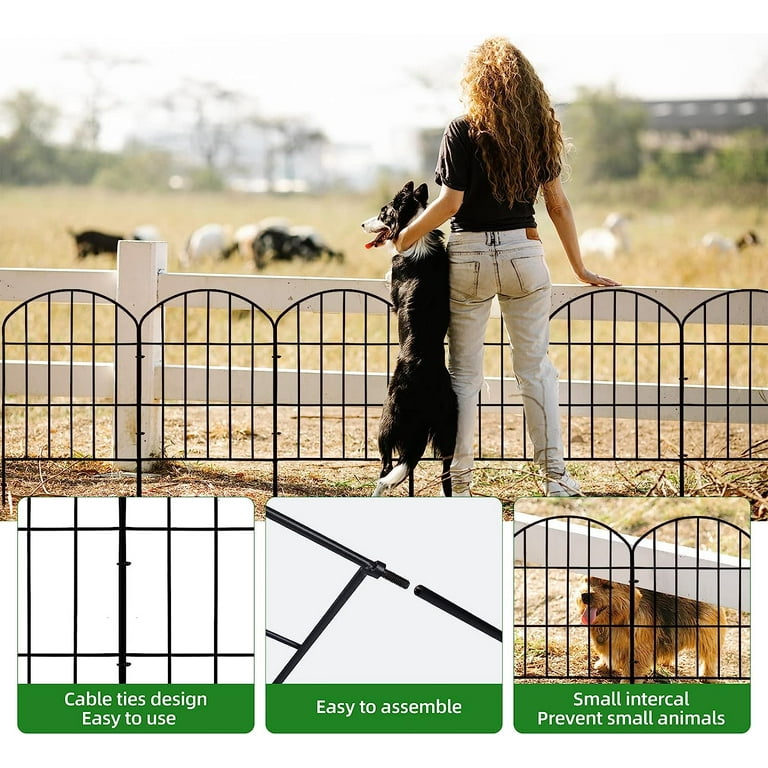
Credit: www.walmart.com
Choosing The Right Fence Material
Choosing the right fence material is important for your small animal’s safety and comfort. The material affects how strong the fence will be and how it looks in your yard. It also changes how much work is needed to keep the fence in good shape.
Wood Vs. Metal Fences
Wood fences give a natural and warm look. They are easy to cut and shape to fit your space. Wood can be cheaper but may not last as long outside. Metal fences are strong and last a long time. They can stop animals from chewing through or digging under. Metal fences often need less repair than wood.
Durability And Maintenance
Durability means how long the fence will last without breaking. Metal fences resist weather and pests better than wood. Wood can rot or get eaten by insects if not treated well. Both materials need some care. Wood needs painting or sealing to stay strong. Metal may need rust prevention over time.
Pet-friendly Options
Choose materials that do not harm your animals. Smooth wood is gentle on paws and noses. Metal fences should have no sharp edges or loose parts. Avoid gaps where small animals can escape or get stuck. Soft finishes and rounded corners help keep pets safe and happy.
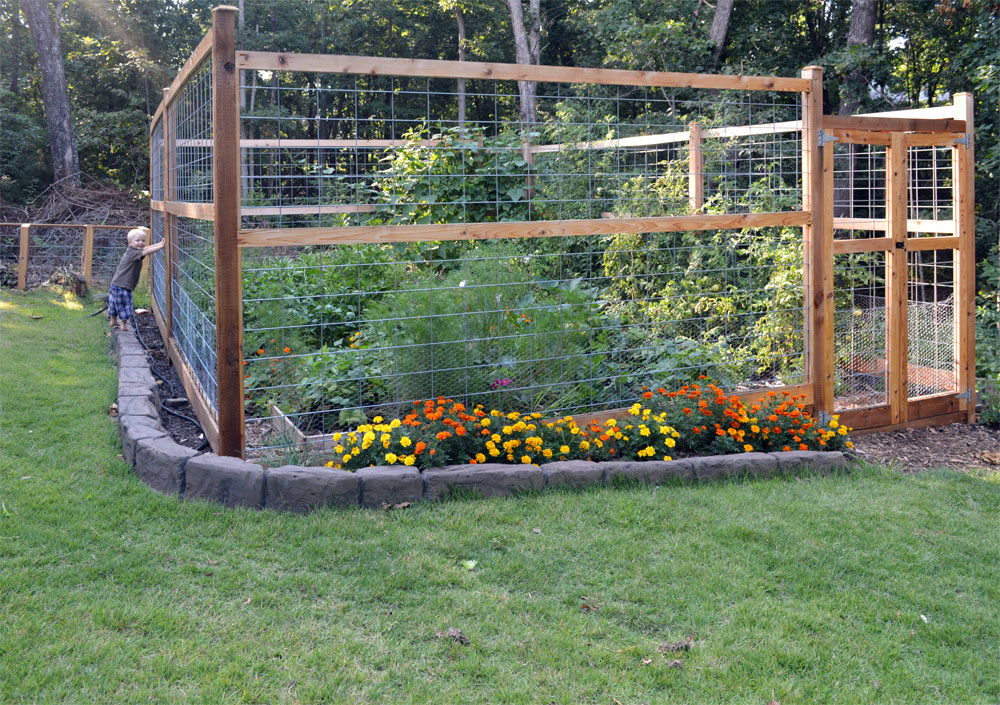
Credit: www.theseasonalhomestead.com
Fence Height And Design
Choosing the right fence height and design is important for keeping small animals safe. The fence must stop them from escaping and protect them from predators. Good design also makes it easy for you to care for your animals. Let’s explore the key points to consider when planning a small animal fence.
Ideal Heights For Small Animals
Fence height depends on the type of animal. Rabbits need a fence about 2 to 3 feet tall. Guinea pigs usually require shorter fences, around 1 to 2 feet. For chickens, a fence 4 to 5 feet tall works well. Taller fences help prevent animals from jumping over.
Consider the animal’s ability to jump or climb. Some small animals jump higher than expected. Adjust the height based on your specific animals’ needs.
Preventing Climbing And Jumping
Animals often try to climb or jump fences. Use smooth surfaces to block climbing. Avoid gaps or ledges where animals can grip. Adding an angled top or overhang stops animals from climbing out.
Check for weak spots regularly. Small animals find ways to escape through holes or loose wires. Secure all edges tightly to keep them safe inside.
Incorporating Gates And Access Points
Gates must be strong and secure. Use latches that animals cannot open. Place gates where you can easily reach your animals for feeding or cleaning.
Design access points wide enough for you to enter comfortably. This makes daily care simpler and safer. Keep gates closed at all times to avoid escapes.
Installation Tips
Installing a small animal fence needs careful planning. Proper steps make the fence strong and safe. Follow simple tips to get the best results.
Preparing The Ground
Clear the area of rocks, roots, and debris. Make the ground flat and even. This helps the fence stand straight and last longer. Dig a shallow trench if needed. It stops animals from digging under the fence.
Securing The Fence Properly
Use sturdy posts spaced evenly for support. Drive posts deep into the ground for stability. Attach the fence material tightly to the posts. Check for loose areas and fix them. Make sure the bottom of the fence touches the ground fully.
Common Installation Mistakes
Skipping ground preparation leads to fence damage. Posts placed too far apart cause sagging. Loose fence material invites animals to escape. Forgetting to check for holes risks safety. Avoid these errors to keep pets safe and secure.
Electric And Invisible Fences
Electric and invisible fences offer a modern way to keep small animals safe. These systems create boundaries without tall physical barriers. They use technology to train pets to stay within a set area. Many pet owners choose these fences for their neat look and effectiveness.
How They Work
Electric fences use a wire that sends a mild electric signal. The wire is placed around the yard’s edge. When an animal nears the wire, a receiver collar warns it with a beep. If the animal moves closer, the collar gives a gentle shock. This teaches the animal to stay inside the boundary.
Invisible fences work similarly but use a wireless signal instead of a buried wire. The collar detects the signal and warns or corrects the animal. The range can be adjusted to fit the yard size.
Pros And Cons
These fences keep yards clear and open without big barriers. They are easy to install and cost less than traditional fences. Animals learn boundaries faster with the warning signals.
Some animals may not respond well to shocks. The system does not stop other animals or people from entering the yard. It needs regular maintenance, like battery changes for collars. Invisible fences might not work well in large or uneven yards.
Safety Considerations
Use the fence only for animals that can wear a collar safely. Check the collar fit often to avoid discomfort. Start training the pet slowly to prevent fear or stress. Avoid using strong shock settings to keep it humane. Always supervise pets at first to ensure they understand the boundaries.
Enhancing Fence Security
Enhancing fence security is important to keep small animals safe and secure. A strong fence stops animals from escaping and keeps predators out. Simple upgrades can make a big difference.
Small changes help your fence work better and last longer. These easy steps improve safety and give you peace of mind.
Adding Barrier Extensions
Barrier extensions add height or extra layers to your fence. They stop animals from climbing over. Mesh or wire extensions work well for this. Even a small increase in height can prevent escapes. Extensions also block animals from squeezing through gaps.
Using Dig Guards
Dig guards protect the fence base underground. Small animals often try to dig under fences. Metal or heavy wire mesh guards block their tunnels. Bury guards at least 12 inches deep. This stops animals from escaping below the fence line.
Regular Inspection And Repairs
Check your fence often for damage or weak spots. Look for holes, loose wires, or broken posts. Fix problems quickly before animals take advantage. Regular care keeps the fence strong and reliable. Small repairs save bigger problems later.
Legal And Neighborhood Guidelines
Setting up a small animal fence involves more than just building it. Legal rules and neighborhood respect matter. Following guidelines keeps you safe from fines and disputes. It helps your pets stay safe too. Understanding these rules early saves time and trouble.
Local Regulations
Each town or city has rules for fences. These rules say how tall or long a fence can be. Some places need a permit before building a fence. Check local laws before starting your project. This avoids fines and forces you to follow safety rules.
Pet Containment Laws
Some areas have laws to keep pets inside fences. These laws protect your pets from running away. They also protect other people and animals. Learn what your local pet laws require. Use this info to build a fence that keeps pets safe and legal.
Respecting Neighboring Properties
Building a fence near neighbors needs care. Avoid blocking their view or sunlight. Talk with neighbors about your fence plans. Good communication stops arguments and builds trust. Respecting neighbors keeps peace in your area.
Training Pets To Stay Within Boundaries
Training pets to stay within boundaries helps keep them safe and calm. It teaches them limits and reduces stress for both pets and owners. Consistent training creates clear rules pets can follow easily.
This process takes patience and clear steps. Small animal fences support training by providing a physical limit. Together, training and fences work well to keep pets secure.
Behavioral Techniques
Start by showing pets their boundary area. Use a gentle voice to guide them back if they cross. Repeat this often. Pets learn where they can go and where they cannot.
Use short training sessions to keep pets focused. Consistency is key. Pets respond well to regular routines and clear signals.
Using Positive Reinforcement
Reward pets when they stay inside the boundary. Treats and praise work well. This teaches pets that good behavior brings rewards.
Avoid punishment. It can make pets scared or confused. Positive reinforcement builds trust and encourages pets to follow rules happily.
Combining Training With Physical Barriers
Small animal fences act as a clear limit pets can see. This helps pets understand where to stay. Fences protect pets from wandering off.
Training pets to respect fences improves their safety. Use both methods together for best results. Pets feel secure and owners gain peace of mind.

Credit: www.amazon.com
Cost Considerations And Budgeting
Planning a small animal fence requires careful thought about costs. Budgeting helps avoid surprises and keeps the project on track. Understanding different expenses makes the process easier and clearer.
Material Costs
Material costs vary by fence type and quality. Wire mesh, wood, and plastic each have different prices. Stronger materials usually cost more but last longer. Choose materials based on your animal’s needs and budget.
Installation Expenses
Installation costs depend on fence size and labor. Hiring professionals raises the price but ensures proper setup. DIY installation saves money but takes time and effort. Factor in tools and equipment if doing it yourself.
Long-term Maintenance
Maintenance keeps the fence safe and durable over time. Check for rust, breaks, or loose parts regularly. Some materials need more care than others. Budget for repairs and replacements to avoid bigger costs later.
Frequently Asked Questions
What Materials Are Best For A Small Animal Fence?
Wire mesh and wood are common materials. They are strong and safe for small animals.
How High Should A Small Animal Fence Be?
A fence 2 to 4 feet high usually keeps small animals safe and contained.
Can Small Animals Dig Under The Fence?
Yes, many can dig. Bury the fence 6-12 inches deep to prevent digging.
How To Keep Predators Away From Small Animal Fences?
Use strong materials and secure gates. Add a top cover for extra protection.
Is A Small Animal Fence Easy To Install?
Yes, most fences are simple to set up with basic tools and instructions.
How Often Should Small Animal Fences Be Checked?
Check fences weekly for damage or holes to keep animals safe and secure.
Conclusion
A small animal fence keeps pets safe and secure outdoors. It stops animals from running away or getting lost. Choose a fence that fits your pet’s size and needs. Easy to install fences save time and effort. Regular checks help keep the fence strong and reliable.
A good fence gives peace of mind for pet owners. Protect your small animals with the right fence today. Safe pets, happy owners. Simple and smart.
As an Amazon Associate, I earn from qualifying purchases.