If you work with small animals, whether in a veterinary clinic, laboratory, or farm, you know how important it is to handle their remains safely and responsibly. A small animal incinerator can be the solution you need to manage waste quickly and hygienically.
But how do you choose the right one for your needs? You’ll discover everything about small animal incinerators—the benefits, key features, and what to consider before making a decision. Keep reading to find out how you can protect your environment and ensure safety with the right incinerator for your work.
Benefits Of Small Animal Incinerators
Small animal incinerators offer practical solutions for disposing of animal remains safely and efficiently. These machines help maintain cleanliness and hygiene in veterinary clinics, farms, and research facilities. They reduce environmental impact and save time and money compared to traditional methods.
Cost-effective Disposal
Small animal incinerators lower disposal costs significantly. They eliminate the need for expensive burial services or waste removal companies. Operating costs are minimal due to efficient fuel use. Over time, they reduce expenses related to animal waste management.
Space-saving Design
These incinerators have a compact design. They fit easily into small spaces, ideal for clinics and farms with limited room. Their size does not compromise capacity or performance. This design helps keep facilities organized and clean.
Rapid Processing Time
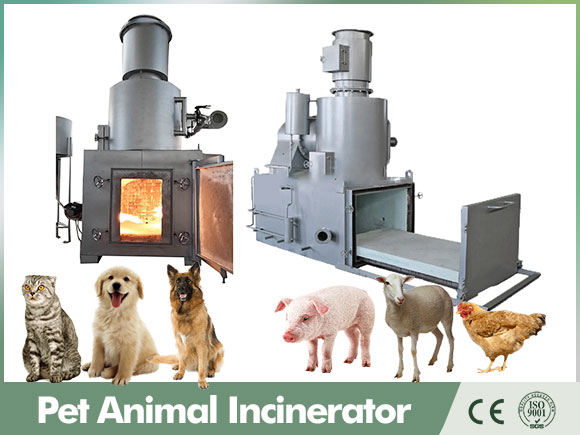
Incinerators process animal remains quickly. Fast burning cycles reduce waiting times and free up space. Rapid processing helps handle multiple animals in a short period. This efficiency supports smooth daily operations in busy settings.
Credit: www.yd-boiler.com
Eco-friendly Features
Small animal incinerators come with eco-friendly features that protect the environment. These features reduce pollution and save energy. They help handle waste safely and cleanly. Using an incinerator with these benefits supports green practices in animal care and research settings.
Low Emission Technology
Low emission technology cuts harmful gases released during burning. It uses special filters and burners to trap smoke and particles. This technology lowers pollution and keeps the air cleaner. It helps meet strict environmental rules and keeps the workplace safe.
Energy Efficiency
Energy-efficient incinerators use less fuel to burn waste. They keep heat inside longer, reducing energy waste. This saves money and lowers the carbon footprint. Smart designs help the incinerator run smoothly with less power.
Waste Reduction
Incinerators reduce the volume of waste by up to 90%. They turn animal remains into ash that is easier to handle. This process cuts landfill use and lowers waste transport needs. It is a simple way to manage waste without harming nature.
Types Of Small Animal Incinerators
Small animal incinerators come in different types to suit various needs. Each type offers unique features and benefits. Understanding these options helps in choosing the right incinerator for your situation. The main types include electric, gas-fired, and portable models. Each serves different purposes and settings.
Electric Incinerators
Electric incinerators use electricity to burn animal remains. They are clean and easy to operate. These models produce less smoke and odor. They are ideal for small clinics or labs. Electric units require a steady power supply. They are quiet and compact, fitting limited spaces.
Gas-fired Incinerators
Gas-fired incinerators run on propane or natural gas. They offer higher temperatures for faster burning. These incinerators handle larger animal volumes. Gas models are common in farms and veterinary hospitals. They need proper ventilation and gas connections. Gas units can be more cost-effective over time.
Portable Models
Portable incinerators are small and easy to move. They suit outdoor use or remote locations. These units work on electricity or gas. Portability helps with quick disposal on farms or fields. Portable models are simple to set up and use. They provide flexibility without permanent installation.
Applications In Various Settings
Small animal incinerators serve many important roles in different places. They safely dispose of animal remains and reduce health risks. These machines are designed to work well in various settings where animal care and research happen.
Using a small animal incinerator helps keep environments clean. It also prevents the spread of diseases. Each setting has unique needs, and these incinerators fit well into those needs.
Veterinary Clinics
Veterinary clinics use small animal incinerators to manage animal waste. They handle deceased pets and surgical remains with care. This prevents contamination and keeps the clinic safe.
Incinerators offer a fast, clean way to dispose of remains. Clinics avoid using landfills, which can be unsafe. This method respects the animals and protects the staff.
Research Laboratories
Research labs often work with small animals in studies. Incinerators safely dispose of animals after experiments. This prevents any risk of disease or contamination.
Labs follow strict rules for waste management. Small animal incinerators help meet these regulations. They ensure a clean workspace and protect the research quality.
Animal Shelters
Animal shelters care for many animals daily. Sometimes, animals pass away due to illness or age. Shelters use incinerators to dispose of remains respectfully and safely.
This practice keeps the shelter environment healthy. It also provides peace of mind for staff and visitors. The incinerator is a vital tool for shelter operations.
Maintenance And Safety Tips
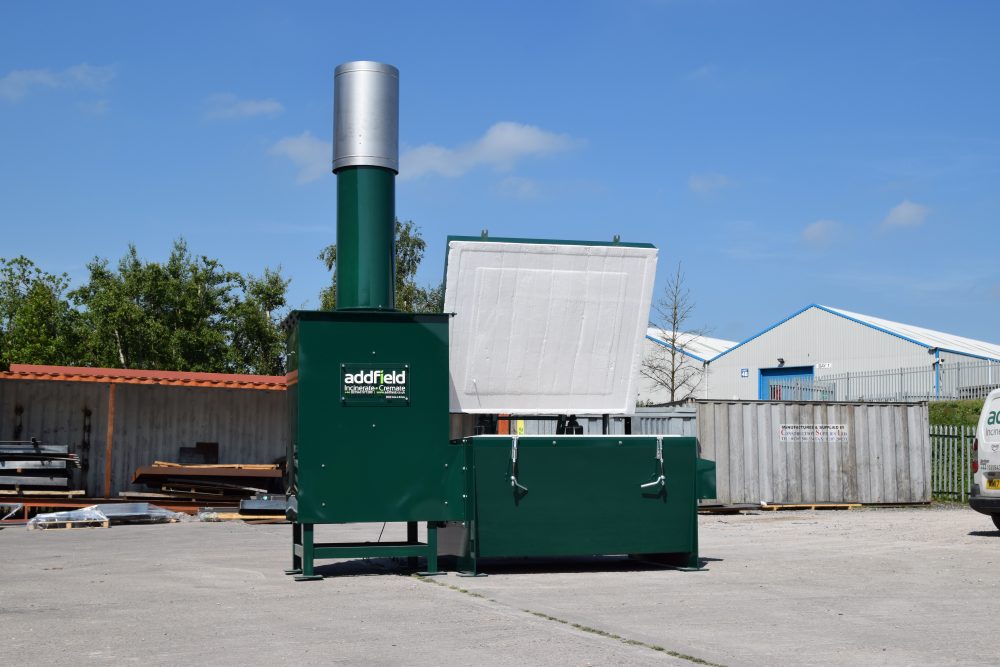
Maintaining a small animal incinerator is essential for safe and efficient use. Regular care extends the machine’s life and prevents accidents. Following safety tips protects operators and the environment.
Routine Cleaning
Clean the incinerator after every use. Remove ash and debris to avoid blockages. Use a brush or vacuum designed for the job. Check filters and vents regularly. Clean parts reduce smoke and improve burning.
Proper Operation
Always follow the manufacturer’s instructions. Do not overload the incinerator with animals. Use the correct fuel type and amount. Ensure the chamber reaches the right temperature. Monitor the machine during operation for any issues.
Handling Regulations
Know local laws about animal incineration. Obtain necessary permits before use. Dispose of ashes according to rules. Keep records of incineration activities if required. Follow guidelines to avoid fines and legal problems.
Credit: addfield.com
Choosing The Right Incinerator
Choosing the right small animal incinerator is important for safe and effective disposal. It affects how well you manage waste and control costs. The right choice depends on your needs and local rules.
Capacity Considerations
Think about how many animals you need to incinerate. A small unit works for low volume. Larger models suit bigger operations. Avoid buying too large or too small equipment. Capacity should match daily or weekly waste amounts. This saves energy and reduces costs.
Budget Factors
Set a clear budget before shopping. Incinerators vary in price based on size and features. Cheaper units may cost more to run. Expensive models often use less fuel and need less repair. Balance upfront cost with long-term expenses. Look for reliable brands that offer good service.
Environmental Compliance
Check local laws about emissions and waste disposal. Incinerators must meet environmental standards. Choose models with low emissions and efficient burning. Some areas require special permits. Proper compliance avoids fines and helps protect nature. Always confirm your incinerator meets these rules before buying.

Credit: www.microteknik.net
Frequently Asked Questions
What Is A Small Animal Incinerator Used For?
It safely burns dead animals, reducing waste and preventing disease spread.
How Does A Small Animal Incinerator Work?
It heats animal remains to high temperatures, turning them into ash.
What Animals Can Be Disposed Of In It?
Small pets, lab animals, and farm animals like chickens and rabbits.
Is A Small Animal Incinerator Eco-friendly?
Yes, it reduces harmful waste and controls pollution with proper filters.
How Long Does The Incineration Process Take?
Usually between 30 minutes to 2 hours depending on animal size.
Can Anyone Operate A Small Animal Incinerator Safely?
Yes, but proper training and safety gear are important to prevent accidents.
Conclusion
Small animal incinerators offer a safe way to handle waste. They reduce harmful germs and keep the environment clean. Using these machines saves space and lowers costs over time. Many farms and clinics find them useful every day. Choosing the right incinerator depends on your needs and budget.
Proper care and operation help the unit work well for years. Clean and safe disposal protects both people and animals. A small animal incinerator is a smart, practical choice.
As an Amazon Associate, I earn from qualifying purchases.