If you have a small pet, you know how important it is to keep their home clean and cozy. Choosing the right bedding can make a big difference in your pet’s comfort and health.
Small animal pellet bedding is becoming a popular choice for many pet owners like you. But what makes it stand out from other types of bedding? You’ll discover everything you need to know about small animal pellet bedding—how it works, why it’s beneficial, and how it can make your life easier.
Keep reading to find out how this simple change can improve your pet’s environment and your daily routine.
Benefits Of Pellet Bedding
Pellet bedding offers many benefits for small animals. It creates a clean and healthy environment. It is easy to use and maintain. Small pets find it comfortable and safe. This bedding helps keep cages dry and fresh for longer.
Comfort And Softness
Pellet bedding feels gentle under small paws. It cushions the animals well. The texture is smooth, preventing skin irritation. Pets can rest comfortably without discomfort. This bedding supports their natural movements.
Absorbency And Moisture Control
Pellets absorb liquids quickly. They lock in moisture to keep the cage dry. This prevents wet spots and mud. It helps reduce the growth of bacteria. A dry cage means healthier pets.
Odor Reduction
Pellet bedding controls bad smells effectively. It traps odors inside each pellet. This keeps the cage air fresh. It reduces the need for frequent cleaning. Pets live in a more pleasant space.
Types Of Pellet Bedding
Pellet bedding is a popular choice for small animals. It offers good absorbency and keeps cages clean. Different types of pellet bedding suit various pets and preferences. Each type has unique features and benefits. Understanding these types helps pick the best bedding for your pet’s comfort and health.
Wood-based Pellets
Wood-based pellets are made from compressed sawdust or wood shavings. They absorb moisture well and control odors. These pellets are natural and biodegradable. They break down into soft wood chips when wet. Wood pellets are gentle on small animal paws and noses. Avoid those with added chemicals or scents.
Paper-based Pellets
Paper-based pellets come from recycled paper or cardboard. They are dust-free and soft, reducing allergy risks. These pellets absorb urine quickly and control smell effectively. Paper pellets are safe if your pet chews bedding. They are also lightweight and easy to clean. This type suits animals with sensitive skin or respiratory issues.
Corn And Other Natural Pellets
Corn-based pellets use compressed corn cobs or stalks. They provide good absorbency and are biodegradable. Other natural pellets include wheat, alfalfa, or grass materials. These types offer a natural scent and soft texture. Natural pellets can be less dusty than wood options. Always check for mold or spoilage before use.
Choosing The Right Pellet Bedding
Choosing the right pellet bedding is important for your small pet’s comfort and health. Different pets need different types of bedding. The wrong choice can cause discomfort or health problems. This guide helps you pick bedding that fits your pet’s needs and your home.
Pet Species Considerations
Each small animal has unique needs. Guinea pigs prefer soft, dust-free pellets. Rabbits need absorbent and odor-controlling bedding. Hamsters require pellets that are gentle on their paws. Check the bedding’s texture and size to match your pet’s size. Proper bedding supports natural behaviors like burrowing and nesting.
Allergies And Sensitivities
Some pets and owners have allergies to certain materials. Avoid bedding with strong scents or dust. Choose hypoallergenic pellets to reduce breathing problems. Monitor your pet for sneezing or skin irritation. Clean bedding regularly to keep allergens low. Safe bedding improves air quality for everyone.
Environmental Impact
Eco-friendly bedding helps protect the planet. Look for pellets made from renewable resources like wood or paper. Biodegradable bedding breaks down easily after use. Avoid products with harmful chemicals or dyes. Sustainable choices reduce waste and pollution. Caring for your pet and the environment go hand in hand.
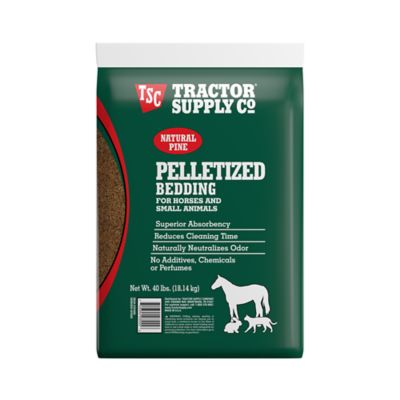
Credit: www.tractorsupply.com
Setting Up Pellet Bedding
Setting up pellet bedding for your small animal creates a comfortable and clean home. It helps absorb moisture and controls odors effectively. Proper setup ensures your pet stays healthy and happy. Follow simple steps to make the bedding cozy and lasting.
Proper Layering Techniques
Start with a thin base layer of pellet bedding. Spread it evenly across the cage floor. This layer absorbs urine and keeps the cage dry. Add a second layer for extra comfort. Avoid piling too thickly to allow good air flow. Regularly check and adjust layers to maintain dryness.
Combining With Other Bedding Materials
Mix pellet bedding with soft materials like paper or hay. This adds softness and warmth for your pet. Use a small amount of soft bedding on top of pellets. It creates a gentle surface for resting. Avoid mixing too many types to keep cleaning easy. Choose safe materials that do not harm your animal.
Maintaining Cleanliness
Remove soiled pellets daily to prevent smells. Replace with fresh pellets to keep the cage fresh. Clean the entire cage weekly to stop bacteria build-up. Use mild soap and water for cleaning. Dry the cage fully before adding new bedding. Regular care keeps your pet healthy and happy.
Cleaning And Maintenance Tips
Keeping small animal pellet bedding clean is essential for your pet’s health. Regular care helps prevent odors and bacteria. It also keeps your pet happy and active. Follow simple steps to maintain fresh bedding every day.
Regular Spot Cleaning
Check the bedding daily for wet spots or droppings. Remove these areas with a small scoop or paper towel. Replace only the soiled pellets to save material. This keeps the rest of the bedding clean longer. Spot cleaning reduces bad smells and keeps your pet comfortable.
Full Bedding Replacement
Change all the bedding at least once a week. Remove the old pellets completely and clean the cage. Use warm water and mild soap to wash the cage floor. Dry it well before adding fresh pellet bedding. This deep clean stops germs from building up. It also refreshes your pet’s home.
Disposal And Composting
Dispose of used pellet bedding properly. Many types are biodegradable and safe for composting. Check local guidelines for composting animal waste. If composting is allowed, add the bedding to your compost pile. This helps reduce waste and benefits your garden. Avoid flushing pellets down the toilet to prevent clogs.

Credit: shop.smallpetselect.com
Common Challenges And Solutions
Small animal pellet bedding is popular for its absorbency and cleanliness. Still, it has some common challenges. Knowing these problems helps keep your pet’s home fresh and safe. Below are typical issues and practical solutions for pellet bedding.
Pellet Breakdown And Dust
Pellets can break down into small pieces over time. This creates dust that may irritate your pet’s eyes and lungs. Choose high-quality pellets designed to crumble less. Clean the bedding regularly to remove dust and broken pieces. Using a gentle vacuum can help keep the area clean without stirring dust.
Moisture Issues
Pellet bedding absorbs moisture well but can become soggy quickly. Wet bedding leads to bad smells and bacteria growth. Change the bedding often, especially in damp spots. Use absorbent pellets that lock in moisture better. Ensure proper cage ventilation to reduce humidity and keep bedding dry.
Pet Behavior And Bedding Use
Some pets move or dig bedding, scattering pellets outside their cage. This can create a mess and waste bedding. Provide enough bedding to satisfy your pet’s digging needs. Place a mat under the cage to catch stray pellets. Observe your pet to find the best bedding depth and type for comfort.

Credit: shop.smallpetselect.com
Frequently Asked Questions
What Is Small Animal Pellet Bedding Made Of?
Small animal pellet bedding is usually made from compressed wood, paper, or plant fibers.
How Does Pellet Bedding Benefit Small Animals?
It absorbs moisture well, controls odor, and stays cleaner longer than loose bedding.
Is Pellet Bedding Safe For All Small Pets?
Most pellets are safe, but avoid cedar or pine pellets for sensitive animals.
How Often Should Pellet Bedding Be Changed?
Pellet bedding should be replaced once a week or when it becomes wet or dirty.
Can Pellet Bedding Cause Dust Or Allergies?
Pellet bedding creates less dust, making it better for pets and owners with allergies.
How To Dispose Of Used Pellet Bedding Properly?
Used pellet bedding can be composted or thrown away in regular trash bins.
Conclusion
Small animal pellet bedding offers a clean and safe home for pets. It absorbs moisture well and controls odors effectively. This bedding is gentle on tiny paws and easy to change. Choosing the right bedding helps keep pets healthy and happy.
Remember, a comfortable environment makes a big difference. Try pellet bedding to see the benefits yourself. Your small animals will appreciate the cozy and fresh space. Caring for pets becomes simpler with this practical bedding choice.
As an Amazon Associate, I earn from qualifying purchases.