Are you looking for the perfect shelter to keep your small animals safe and comfortable? A small animal shed might be exactly what you need.
Whether you have rabbits, guinea pigs, or chickens, the right shed can make a big difference in their health and happiness. Imagine a cozy, secure space where your pets can play and rest without worry. You’ll discover everything you need to know about choosing, building, and maintaining a small animal shed that fits your needs and keeps your animals thriving.
Keep reading to find out how to create the ideal home for your furry or feathered friends.
Choosing The Right Location
Choosing the right location for a small animal shed is very important. The location affects the animals’ health and comfort. It also helps keep the shed safe and secure. You must think about sunlight, weather, and ease of access. These factors make a big difference in daily care and animal happiness.
Sunlight And Shade Balance
Animals need sunlight for warmth and health. Too much sun can cause overheating. Shade helps protect them from heat and sunburn. Choose a spot with morning sun and afternoon shade. This keeps animals comfortable all day long.
Protection From Wind And Rain
Strong wind and rain can harm animals and damage the shed. Place the shed near natural windbreaks like bushes or fences. Avoid low spots where water can collect. A dry and sheltered spot keeps animals safe and dry during bad weather.
Accessibility And Safety
The shed should be easy to reach every day. Close to your home or garden is best. This makes feeding and cleaning easier. Also, check for dangers like sharp objects or toxic plants nearby. A safe and reachable location keeps animals healthy and cared for.
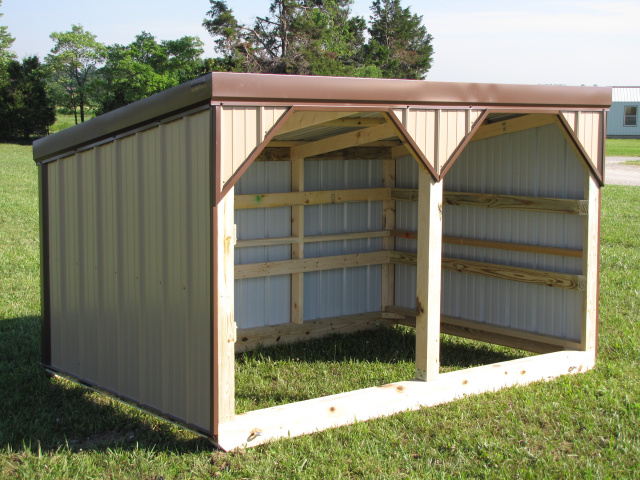
Credit: www.portablelivestockshelters.com
Materials For Durability
Choosing the right materials for a small animal shed ensures it lasts long. Durable materials protect animals from weather and wear. Quality materials also make cleaning and maintenance easier. The shed should resist rain, wind, and sun damage.
Wood Types And Treatments
Wood is a popular choice for animal sheds. Cedar and pine are common because they resist rot. Pressure-treated wood lasts longer outdoors. Treat wood with sealants or paint to stop water damage. Smooth, untreated wood can cause splinters. Proper treatment keeps animals safe and dry.
Metal And Plastic Options
Metal sheds offer strong protection against pests and weather. Aluminum and galvanized steel resist rust well. Metal sheds need good ventilation to avoid heat buildup. Plastic sheds are lightweight and easy to clean. High-density polyethylene plastic lasts well in sunlight. Both materials can suit different needs and budgets.
Weatherproofing Techniques
Good weatherproofing extends the shed’s life. Use waterproof paint or sealant on all surfaces. Add flashing around doors and windows to stop leaks. Raise the shed slightly off the ground to avoid water damage. Roofing materials like shingles or metal sheets keep rain out. Proper weatherproofing keeps animals warm and dry.
Designing For Comfort
Designing a small animal shed focuses on comfort and safety. Comfort helps keep animals healthy and happy. A well-planned shed protects them from harsh weather. It also provides a cozy space to rest and play.
Good design improves air quality and temperature control. It creates a clean, dry, and warm environment. Comfort in the shed reduces stress and improves animal well-being.
Ventilation And Airflow
Proper ventilation removes bad smells and moisture. Fresh air prevents mold and keeps animals cool. Include windows or vents that open and close easily. Place vents high and low to allow air movement. Avoid drafts that can chill small animals.
Insulation Ideas
Insulation keeps the shed warm in winter and cool in summer. Use materials like foam boards or straw bales. Cover walls and roof with insulation to stop heat loss. Avoid materials that trap moisture inside. Insulation helps maintain a steady temperature inside the shed.
Flooring Choices
Choose flooring that is easy to clean and dry. Wood or vinyl floors work well for small animal sheds. Add soft bedding for comfort and warmth. Avoid concrete floors as they can be cold and hard. Good flooring protects feet and reduces illness risk.
Size And Space Needs
Choosing the right size and space for a small animal shed is key. Small pets need enough room to move, play, and rest comfortably. A cramped space can cause stress and health problems. The shed should fit your pet’s size and number. Proper space helps keep pets happy and healthy.
Determining Adequate Space
Measure your pet’s length and height first. Add extra space for movement and toys. For multiple pets, increase space to avoid crowding. Small animals need at least 2 to 3 times their body size in floor space. Check species-specific guidelines for minimum space needs. Good ventilation and easy cleaning space are important.
Multi-level Shelters
Multi-level shelters use vertical space well. Pets can climb and explore different levels. This helps keep them active and reduces boredom. Ramps or ladders should be safe and easy to use. Multiple levels also save floor space in smaller sheds. Ensure each level has enough room for resting.
Expandable Designs
Expandable sheds grow with your pet’s needs. You can add sections as pets multiply or get bigger. Modular designs allow flexibility and more space. These sheds often have removable panels or attachable units. Expandable sheds save money and space over time. Choose materials that are sturdy and weather-resistant.
Safety Features
Safety is the top priority for any small animal shed. It keeps pets safe from harm. Good safety features protect animals from predators and harsh weather. They also keep pets secure inside the shed.
A well-designed shed uses strong materials and smart locks. It avoids harmful chemicals that could hurt animals. These features create a safe and comfortable home for small pets.
Predator Protection
Small animal sheds need strong walls and roofs. They stop animals like foxes and raccoons from getting in. Wire mesh covers windows and vents. This keeps predators out but lets fresh air in.
Raised floors prevent digging predators from entering. Sharp edges and gaps are avoided. This design keeps animals safe all day and night.
Secure Doors And Locks
Doors must close tightly and lock firmly. Simple latches can be opened by pests or curious pets. Metal locks or clasps are much safer.
Secure doors prevent escapes and unwanted visitors. They also protect pets during storms or bad weather. Easy-to-use locks help owners check on pets quickly.
Non-toxic Materials
Materials used should be safe for pets. Avoid paints, stains, and plastics with harmful chemicals. These can cause sickness or allergies.
Natural wood and pet-safe finishes are best. They keep the shed healthy and comfortable. Clean materials also reduce odors and pests inside the shed.
Maintenance Tips
Maintaining a small animal shed helps keep pets safe and healthy. Regular care makes the shed last longer and stay clean. Follow simple steps to keep your shed in top shape all year.
Cleaning Routines
Clean the shed at least once a week. Remove old bedding and replace it with fresh material. Sweep out dirt and debris from floors and corners. Wash food and water containers daily to prevent germs. Use mild soap and warm water for cleaning surfaces.
Repairs And Upkeep
Check the shed for broken parts every month. Fix loose boards or nails to avoid injuries. Replace damaged roof tiles or panels to keep rain out. Tighten hinges and locks to secure doors properly. Treat wood with safe sealants to protect against weather.
Seasonal Adjustments
In cold months, add extra bedding for warmth. Cover windows with plastic sheets to block wind. In hot weather, ensure good ventilation to keep air fresh. Use shade cloths to protect from direct sun. Adjust water supply to prevent freezing or overheating.
Decor And Enrichment
Decor and enrichment make a small animal shed a happy home. They help animals feel safe and entertained. A well-decorated shed improves the animal’s life. It also makes the space cozy and fun. Enrichment keeps animals active and curious.
Comfortable Bedding
Soft bedding is key for comfort. Use materials like hay, straw, or shredded paper. These keep the animal warm and dry. Change bedding often to keep it clean. Comfortable bedding helps animals rest well and stay healthy.
Toys And Hideouts
Toys keep animals busy and prevent boredom. Chew toys, tunnels, and balls are good choices. Hideouts give animals a safe space to relax. Use small boxes or wooden houses. Hideouts reduce stress and make animals feel secure.
Natural Elements
Natural items bring a touch of the outdoors inside. Add branches, leaves, or small logs. These encourage natural behaviors like climbing and chewing. Fresh plants can also improve air quality. Natural elements make the shed more lively and fun.

Credit: www.villagesheds.com
Diy Vs. Ready-made Sheds
Choosing between a DIY small animal shed and a ready-made shed can be tricky. Both have clear benefits and some drawbacks. Understanding these can help you pick the right option for your needs and budget.
DIY sheds let you build exactly what you want. Ready-made sheds arrive fully assembled or in kits. Your choice depends on how much time, money, and effort you want to spend.
Cost Comparison
DIY sheds often cost less if you have tools and skills. You buy raw materials and build yourself. Ready-made sheds usually cost more because of factory work and shipping. Still, they can save money on tools and mistakes.
Customization Options
DIY sheds offer full control over design and size. You can add special features or unique touches easily. Ready-made sheds have limited styles and sizes. Custom changes may not be possible or can be costly.
Time And Effort
DIY sheds take more time and physical effort. Planning, measuring, and building require patience. Ready-made sheds save time with quick setup. They suit people who want fast, simple solutions.
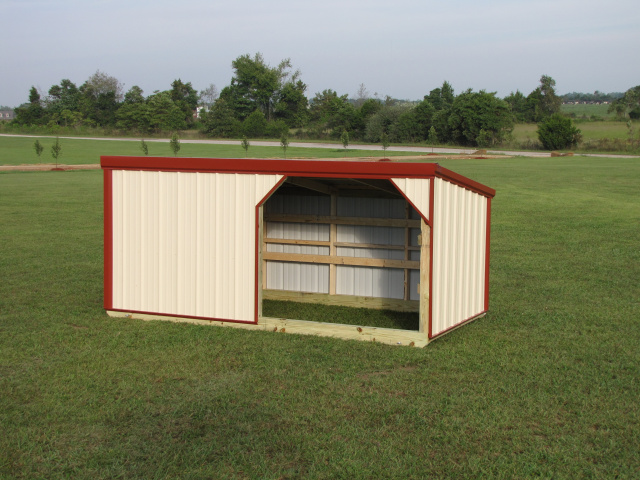
Credit: www.portablelivestockshelters.com
Frequently Asked Questions
What Is A Small Animal Shed Used For?
A small animal shed provides shelter and protection for pets like rabbits and guinea pigs.
How Do I Choose The Right Size For A Small Animal Shed?
Pick a size that gives enough space for movement and comfort for your pet.
What Materials Are Best For Building A Small Animal Shed?
Wood and metal are common, offering durability and good weather protection for animals.
How Can I Keep My Small Animal Shed Clean And Safe?
Regular cleaning and proper ventilation help prevent illness and keep animals healthy.
Where Should I Place A Small Animal Shed In My Yard?
Choose a dry, shaded spot away from strong winds and direct sun.
Can A Small Animal Shed Be Used Year-round?
Yes, with proper insulation and ventilation, it can protect pets in all seasons.
Conclusion
A small animal shed gives your pets a safe, warm place to live. It helps protect them from bad weather and keeps them comfortable. Choosing the right size and material matters a lot. A well-built shed lasts long and stays easy to clean.
It also makes caring for your animals simple and stress-free. Think about your pet’s needs before buying or building one. A good shed means happy, healthy animals every day.
As an Amazon Associate, I earn from qualifying purchases.