Have you ever wondered what lies beneath the soft fur and tiny paws of your favorite small animals? Understanding small animal skeletons can open a fascinating window into how these creatures move, grow, and survive.
Whether you’re a pet owner, a student, or just curious, learning about their bones will change how you see these little animals forever. Keep reading, and you’ll discover surprising facts that make their delicate skeletons come alive right before your eyes.
Credit: www.alamy.com
Tiny Skeletons In The Animal Kingdom
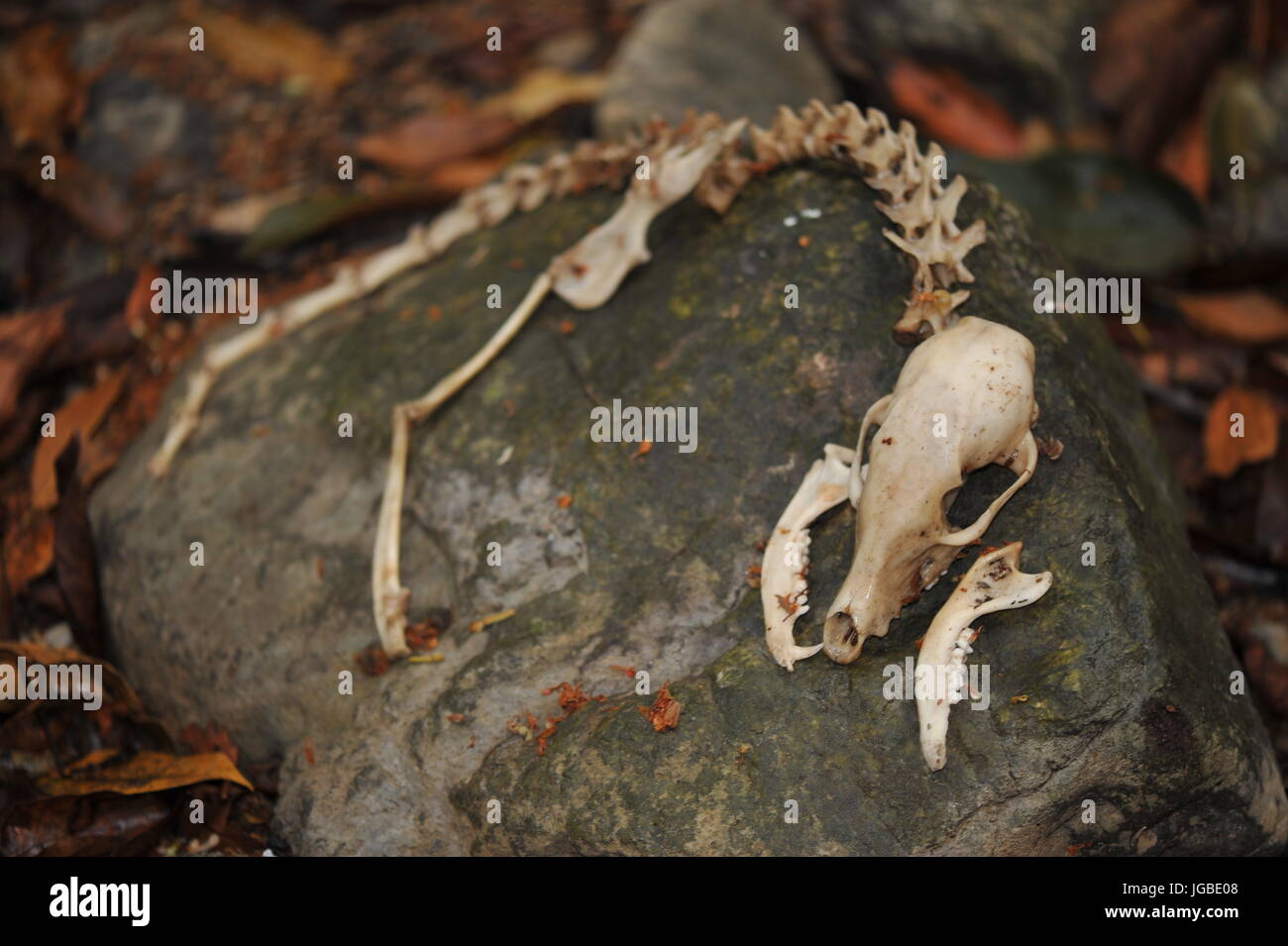
Small animals have tiny skeletons that support their bodies and protect vital organs. These skeletons are marvels of nature, designed to fit into compact spaces yet strong enough for movement. Understanding these tiny frameworks helps us appreciate the diversity and complexity of life in the animal kingdom.
Common Small Animals With Skeletons
Many small animals have skeletons made of bones. Mice, birds, frogs, and lizards are common examples. Each has a skeleton suited to its lifestyle. Birds have lightweight bones to help them fly. Frogs have strong leg bones for jumping. Lizards possess flexible spines for quick movement.
Variations In Bone Structures
Bone structures vary widely among small animals. Some have hollow bones to reduce weight. Others have dense bones for protection. The shape and size of bones change depending on how animals move. Some skeletons are rigid, while others are flexible. These variations allow animals to survive in many environments.
Credit: www.travelsandcuriosities.com
Bone Composition And Features
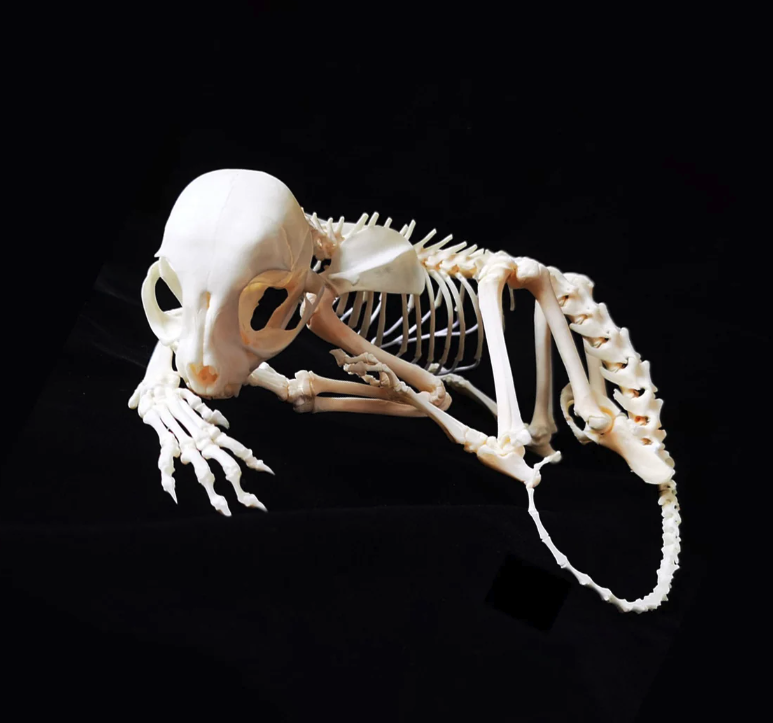
Small animal skeletons show a fascinating blend of strength and lightness. Their bones are made to support movement and protect vital organs. Understanding bone composition helps us see how these tiny creatures thrive.
Bones consist mostly of calcium and phosphorus. These minerals give bones their hardness. At the same time, bones contain collagen, a protein that adds flexibility. This mix prevents bones from breaking easily.
Types Of Bones In Small Animals
Small animals have several bone types. Long bones, like those in legs, help with movement. Short bones provide stability and support. Flat bones protect organs, such as the skull shielding the brain. Irregular bones have unique shapes, fitting specific functions.
Adaptations For Size And Function
Bone structure changes to fit an animal’s size and lifestyle. Small bones are often lightweight to ease movement. Many have hollow spaces to reduce weight without losing strength. Some bones grow strong in areas needing extra support. These adaptations help animals stay quick and agile.
How Small Skeletons Support Movement
Small animal skeletons play a vital role in their movement. These tiny frameworks give shape and support to the body. They allow animals to move in many ways, from crawling to jumping. The structure of bones and joints is key to this process.
Each bone fits perfectly with muscles and joints. This fit helps animals move smoothly and quickly. Even small changes in the skeleton can change how an animal moves. Understanding these details shows how nature designs for motion.
Joint Types And Mobility
Joints connect bones and allow movement. Small animals have different joint types for different motions. Some joints bend like hinges, allowing back-and-forth movement. Others rotate or glide, giving more flexibility.
This variety helps small animals adapt to their environment. For example, hinge joints help small mammals run fast. Ball-and-socket joints allow birds to flap their wings. Each joint type adds to the animal’s ability to move efficiently.
Muscle Attachment And Locomotion
Muscles attach to bones at special spots called attachment points. These points act like levers to move the body. Strong muscle attachments help animals jump, climb, or dig.
Small animals have muscles designed for quick, sharp movements. Their muscle attachments support fast and precise actions. This design helps them escape predators and find food. The close link between muscles and bones powers their movement.
Credit: www.etsy.com
Protective Roles Of Tiny Bones
Small animal skeletons play a big role in protection. Their tiny bones shield vital parts from harm. These bones are strong and well-designed. They help animals survive in tough environments.
The protective role of these bones is crucial. They guard sensitive organs and delicate tissues. Even though small, these bones are tough and reliable.
Skull And Sensory Organ Protection
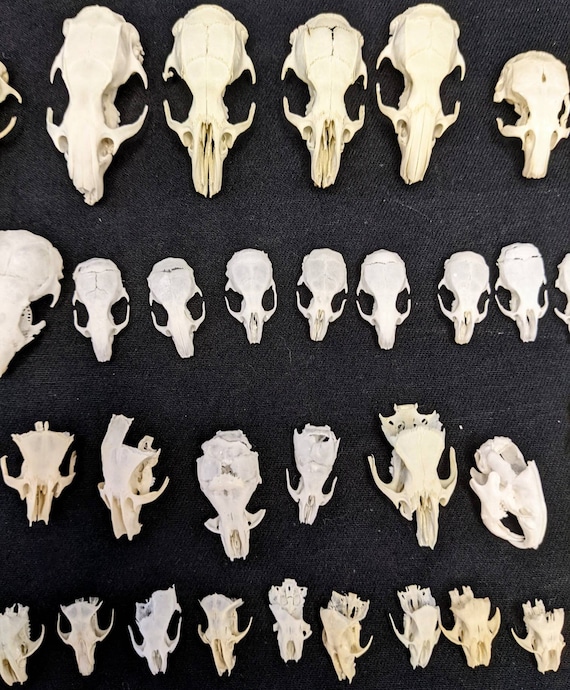
The skull is a hard shell around the brain. It keeps the brain safe from injury. The skull also protects eyes and ears. These organs are very sensitive and need strong defense.
Small animals have skulls shaped to fit their needs. This shape helps protect their senses. Their eyes and ears stay safe during movement and fights.
Rib Cage And Internal Organ Safety
The rib cage surrounds the chest area. It protects the heart, lungs, and other organs. The ribs form a sturdy cage that absorbs shocks.
Even tiny ribs are strong and flexible. They allow breathing while keeping organs secure. This balance is vital for small animals’ survival.
Evolution Of Small Animal Skeletons
The evolution of small animal skeletons shows how these creatures adapted over millions of years. Small animals developed unique skeletons to survive in different environments. Their bones changed in shape, size, and structure. These changes helped them move better, protect themselves, and find food. Understanding this evolution gives us a clear picture of how life on Earth has grown and changed.
Fossil Evidence And Changes
Fossils are the main clues about small animal skeletons from the past. Scientists find old bones in rocks and study their shapes. These fossils show how skeletons grew stronger or lighter. Some small animals developed harder bones to avoid predators. Others had lighter bones to move faster. Fossil evidence reveals many small steps in skeleton evolution. Each step helped animals adapt to their world.
Environmental Influences
Environment plays a big role in shaping small animal skeletons. Animals living in water often have different bones than those on land. Water animals may have flatter bones to swim easily. Land animals might have stronger legs for running or climbing. Climate also affects bone development. In colder places, animals may have thicker bones for warmth. Changes in food sources can change jaw and tooth bones. The environment pushes animals to evolve their skeletons constantly.
Studying And Preserving Small Skeletons
Studying and preserving small animal skeletons helps us learn about different species. These tiny bones tell stories about animal health, evolution, and environments. Handling small skeletons needs care and special methods.
Preserving these skeletons keeps them safe for future study. It also helps in teaching students about animal biology. Knowing how to prepare and keep these bones is important for science and education.
Techniques In Skeleton Preparation
Cleaning small skeletons starts by removing soft tissues carefully. Soaking bones in gentle detergents helps clear remaining flesh. Some experts use beetles to clean bones without damage.
After cleaning, drying the bones slowly prevents cracks. Some skeletons need whitening using safe chemicals. Finally, bones get assembled with glue or wires for display.
Importance In Research And Education
Small animal skeletons provide clues about animal health and habits. Scientists compare bones to understand species differences and changes over time. This knowledge aids conservation efforts and wildlife studies.
In schools, these skeletons serve as hands-on tools. Students see real examples of bone structure and animal anatomy. This practical learning improves understanding and interest in biology.
Frequently Asked Questions
What Are The Main Bones In Small Animal Skeletons?
Small animal skeletons have skulls, spine, ribs, limbs, and pelvis bones that support movement and protect organs.
How Do Small Animal Skeletons Differ From Larger Animals?
Small animal skeletons are lighter, thinner, and more delicate to suit their size and mobility needs.
Why Is Studying Small Animal Skeletons Important?
Studying helps understand animal health, growth, movement, and evolution in veterinary and biology fields.
Can Small Animal Skeletons Heal After Injury?
Yes, many small animals can heal broken bones with time and proper care.
How Do Small Animal Skeletons Support Their Movement?
Bones connect with muscles and joints to allow running, jumping, climbing, and other movements.
What Materials Make Up Small Animal Skeletons?
Their skeletons consist mainly of calcium phosphate and collagen, providing strength and some flexibility.
Conclusion
Small animal skeletons show how nature builds tiny bodies. Each bone fits together like a puzzle. They help animals move, eat, and survive. Studying these skeletons teaches us about life and health. They also inspire designs in science and art.
Understanding small skeletons connects us to the animal world. It reminds us how all creatures have unique structures. Exploring these bones opens doors to curiosity and learning. Small but mighty—their skeletons tell important stories.
As an Amazon Associate, I earn from qualifying purchases.