Have you ever come across a small animal skull and noticed it has no eye sockets? It’s a strange sight that can make you stop and wonder why.
What kind of creature could have a skull like that? And what does it tell you about how it lived or saw the world? If you’re curious about this unusual feature and want to uncover the secrets hidden in these tiny bones, keep reading.
This article will guide you through the mystery, revealing fascinating facts that will change the way you look at animal skulls forever.
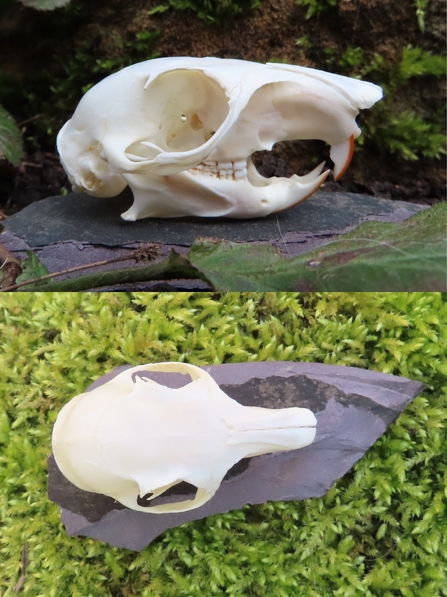
Credit: www.wildlifetrusts.org
Characteristics Of Small Animal Skulls
Small animal skulls have unique features that help identify each species. These skulls vary in shape and size but share certain basic traits. Understanding these traits helps in studying animal biology and evolution.
Some small animal skulls lack eye sockets, which is unusual. This absence affects how the skull looks and functions. Studying these differences reveals important facts about animal adaptation.
Common Skull Structures
Most small animal skulls have a strong jawbone for chewing. They contain nasal passages that aid in breathing and smell. The skull often includes cheekbones that protect the face. Teeth shape varies depending on the animal’s diet. The skull protects the brain and sensory organs.
Variations Across Species
Skulls differ greatly between species. Some animals have large eye sockets for better vision. Others may have small or no eye sockets, especially if they live underground or in dark places. Skull size relates to the animal’s size and habits. Differences in teeth show what the animal eats. These variations help animals survive in their environments.

Credit: www.reddit.com
Significance Of Eye Sockets In Skulls
Eye sockets are key features in many animal skulls. They serve important functions beyond holding the eyes. The shape and size of eye sockets can tell us much about an animal’s habits and abilities.
In some small animals, skulls may lack visible eye sockets. This absence can indicate unique adaptations or evolutionary changes. Understanding why eye sockets matter helps us appreciate skull anatomy better.
Role In Vision And Protection
Eye sockets hold the eyes firmly in place. They help animals see clearly and focus on objects. The sockets also protect the eyes from damage during movement or fights.
Without eye sockets, eyes may be more exposed and vulnerable. This can affect how an animal interacts with its environment. Eye sockets support the muscles that move the eyes, aiding in better vision.
Anatomical Importance
Eye sockets connect to bones that support the skull structure. They provide space for nerves and blood vessels to reach the eyes. This makes vision possible and helps the eyes stay healthy.
The size and form of eye sockets show an animal’s lifestyle. Animals active at night often have larger sockets for bigger eyes. Daytime animals may have smaller sockets suited to bright light.
Skulls Without Eye Sockets: Rare Phenomena
Skulls without eye sockets are extremely rare in the animal kingdom. These unusual skulls puzzle scientists and collectors alike. Usually, eye sockets protect the eyes and support vision. Seeing a skull without them raises many questions about nature and biology.
Such skulls often belong to small animals. Their unique structure can tell us about mutations or environmental effects. Studying these skulls helps us learn how animals adapt or suffer from genetic changes.
Known Examples In Nature
Some small animals show skulls missing eye sockets. Certain fish species have reduced or absent eye sockets due to living in dark caves. These fish do not need vision and lose their eye sockets over generations.
Insects like some beetles also have skulls with underdeveloped eye regions. These changes happen for survival in unique habitats. Few amphibians display similar traits, adapting to underground life.
Possible Causes And Mutations
Mutations in genes controlling skull formation can cause missing eye sockets. These genetic changes may happen randomly or due to environmental stress. Chemicals, radiation, or poor nutrition during development can also affect skull growth.
Some animals suffer from birth defects that prevent eye sockets from forming. Evolutionary adaptation can remove eye sockets when vision is not needed. This process takes many generations and happens in isolated environments.
Scientific Theories Behind Missing Eye Sockets
Small animal skulls without eye sockets have puzzled scientists for years. These unusual skulls challenge common ideas about animal anatomy and evolution. Many experts study these skulls to find out why eye sockets might be missing. Several scientific theories explain this rare feature. They explore how animals adapt or change genetically over time.
Evolutionary Adaptations
Animals change to survive in their environments. Some species live in dark places like caves. Eyes may become less important in these settings. Over time, eye sockets can shrink or disappear. This saves energy that would go to eye development. Animals may rely on other senses like smell or touch.
Another reason for missing eye sockets is protection. Some animals develop stronger skulls to shield their brains. Eye sockets might be reduced to avoid injury. These adaptations show how species evolve based on need. Nature shapes animals in surprising ways.
Genetic Anomalies
Sometimes missing eye sockets result from genetic mutations. These changes can happen during development in the womb. Genes control how bones and organs form. A mutation may stop eye sockets from growing properly. This can occur naturally or due to environmental factors.
Such anomalies may cause survival challenges. Some animals with missing eye sockets live shorter lives. Others adapt by using other senses to navigate. Studying these genetic changes helps scientists understand animal biology. It also reveals how genes influence physical traits.
Methods To Study And Analyze Such Skulls
Studying small animal skulls without eye sockets requires special methods. These skulls are unusual and need close examination to understand their structure and function. Scientists use different ways to analyze these skulls carefully. These methods help reveal details hidden to the naked eye. They also show how these animals lived and adapted.
Imaging Techniques
Imaging techniques let researchers see inside the skull without breaking it. X-rays create pictures of the skull’s bones. CT scans provide detailed 3D images. These images show the shape and density of the skull. MRI scans help study soft tissues, if present. These methods are safe and preserve the skull’s condition. They allow repeated study over time. Imaging reveals internal features that are hard to see.
Comparative Anatomy
Comparative anatomy compares the skull with other animals’ skulls. Scientists look for similarities and differences. This helps identify the species or group. It also shows how the skull evolved. Comparing features like bone shape and size gives clues. Scientists use reference collections and databases. This method explains why some skulls lack eye sockets. It links skull traits to the animal’s lifestyle and habitat.

Credit: www.jakes-bones.com
Implications For Paleontology And Zoology
The discovery of a small animal skull without eye sockets offers unique insights for paleontology and zoology. This unusual feature challenges existing ideas about animal anatomy and behavior. Studying such skulls helps scientists learn about species that lived long ago and their adaptations.
These skulls reveal details about extinct animals that left no other traces. They also help researchers trace evolutionary changes over time. Understanding these aspects deepens our knowledge of life’s history on Earth.
Insights Into Extinct Species
Skulls without eye sockets suggest species adapted to different environments. Some animals might have relied on senses other than sight. This helps identify animals living in dark or underground habitats.
Such skulls provide clues about the animal’s lifestyle and survival methods. Scientists can compare these skulls with modern animals. This comparison reveals how some species changed or disappeared.
Understanding Evolutionary Paths
Studying skulls lacking eye sockets reveals new evolutionary paths. Evolution does not always follow expected patterns. Some animals lost eyes but thrived in other ways.
This shows how species adapt to their surroundings. It highlights nature’s ability to find various survival solutions. These findings enrich our understanding of evolution’s diversity and complexity.
Famous Discoveries And Case Studies
Small animal skulls without eye sockets have puzzled scientists for years. These rare finds offer clues about unusual species and their evolution. Studying these skulls helps us understand animal diversity and adaptation. Famous discoveries and case studies show how these skulls impact science.
Notable Skull Finds
One famous discovery is a small mammal skull found in Africa. It lacked visible eye sockets but showed signs of other sensory adaptations. Another find in South America revealed a bird skull without eye sockets, suggesting a nocturnal lifestyle. These unusual skulls challenge traditional ideas about animal anatomy.
In Asia, researchers found a rodent skull missing eye sockets. It showed strong jaw muscles and sharp teeth, hinting at a unique diet. Each discovery adds to the list of strange skulls that help scientists study evolution and animal behavior.
Impact On Scientific Research
These skulls push scientists to rethink how animals live and survive. They show that some species rely less on sight and more on other senses. Research on these skulls improves understanding of sensory biology and animal ecology.
Studies also help in identifying new species and tracking changes over time. This knowledge supports conservation efforts for rare and endangered animals. Small animal skulls without eye sockets continue to inspire new scientific questions and discoveries.
Debunking Myths Around Eyeless Skulls
Small animal skulls without eye sockets often spark curiosity and confusion. Many people assume these skulls belong to strange or unknown creatures. Others think the skulls are damaged or incomplete. The truth is different. These skulls have unique features that explain the missing eye sockets. Understanding these features helps clear up common myths and misunderstandings.
Scientists study these skulls carefully. They reveal important facts about the animal’s biology and evolution. This knowledge helps separate myths from reality. It also shows the amazing diversity of small animals in nature.
Common Misconceptions
Some believe skulls without eye sockets are fake or unnatural. This idea comes from seeing typical skulls with clear eye holes. People may think the skulls belong to aliens or monsters. Others guess the skulls belong to animals that lost their eyes.
Many assume these skulls are damaged or broken. They think the eyes fell out after death. Another myth is that these animals do not need eyes to survive. These ideas do not match scientific facts.
Separating Fact From Fiction
In reality, some animals have skulls without visible eye sockets. For example, some burrowing or deep-sea animals have small or hidden eyes. Their skulls adapt to their environment. The bones around the eyes may be reduced or covered.
Other animals rely on senses besides sight. Their skulls reflect this by lacking large eye sockets. This shows how animals evolve to fit their needs. Scientists use this to learn about animal habits and habitats.
Not all skulls without eye sockets are strange or rare. Many belong to well-known species with special adaptations. These skulls provide valuable clues about animal life and survival strategies.
Future Research Directions
Research on small animal skulls without eye sockets is still growing. New studies can help us learn more about these rare skulls. Scientists want to find out why these skulls lack eye sockets. They also aim to understand what this means for the animal’s life and evolution.
Future research will use new tools and methods. These will help reveal details that were hard to see before. Exploring these skulls can lead to exciting discoveries about animal biology.
Technological Advances
New imaging tools like 3D scanning make studying skulls easier. These tools show fine details without damaging the skull. Computer models help scientists test ideas about skull structure. DNA analysis may explain genetic reasons for missing eye sockets. Technology will allow deeper and faster research on these skulls.
Potential Discoveries
Scientists might find new species with similar skull traits. They could learn how these animals adapted without eye sockets. Discoveries may change what we know about animal senses and survival. Research might also reveal links between skull shape and habitat. Every finding adds a piece to the puzzle of animal evolution.
Frequently Asked Questions
What Causes A Small Animal Skull To Have No Eye Sockets?
Some small animal skulls lack eye sockets due to natural evolution or unique species traits.
Which Animals Have Skulls Without Visible Eye Sockets?
Certain burrowing or deep-sea animals may have skulls with reduced or no eye sockets.
How To Identify A Small Skull With No Eye Sockets?
Look for small size, smooth bone surface, and absence of circular eye openings.
Can A Skull Without Eye Sockets Belong To A Mammal?
Yes, some mammals, especially those adapted to low light, may have reduced eye sockets.
What Is The Function Of A Skull Without Eye Sockets?
Such skulls protect the brain and support other senses, like smell or touch.
Are Skulls Without Eye Sockets Common In Nature?
They are rare but found in specific animals adapted to unique environments.
Conclusion
Small animal skulls without eye sockets are rare and interesting. They show unique features in nature’s design. Such skulls help scientists understand animal evolution and adaptation. Studying them reveals how some animals live without sight. This knowledge adds to our appreciation of wildlife diversity.
Observing these skulls sparks curiosity about the natural world. Keep exploring to discover more unusual animal traits and facts.
As an Amazon Associate, I earn from qualifying purchases.