Are you ready to create unique and meaningful tattoos that celebrate your love for small animals? A Small Animal Tattoo Kit gives you everything you need to turn your ideas into beautiful, lasting art.
Whether you’re a beginner or looking to expand your tattoo skills, this kit puts the power in your hands. Imagine designing tattoos that capture the charm of your favorite tiny pets—now, that’s something worth exploring. Keep reading to discover how the right kit can make your tattoo dreams come true, step by step.
Credit: www.scahealth.com
Choosing The Right Kit
Selecting the right small animal tattoo kit is important. It ensures a smooth and safe tattooing process. The kit must have the right tools and good quality. It should also fit your budget. Understanding what to look for helps a lot.
Focus on the essential parts, quality, and safety. Consider how much you want to spend. This makes choosing easier and smarter.
Essential Components
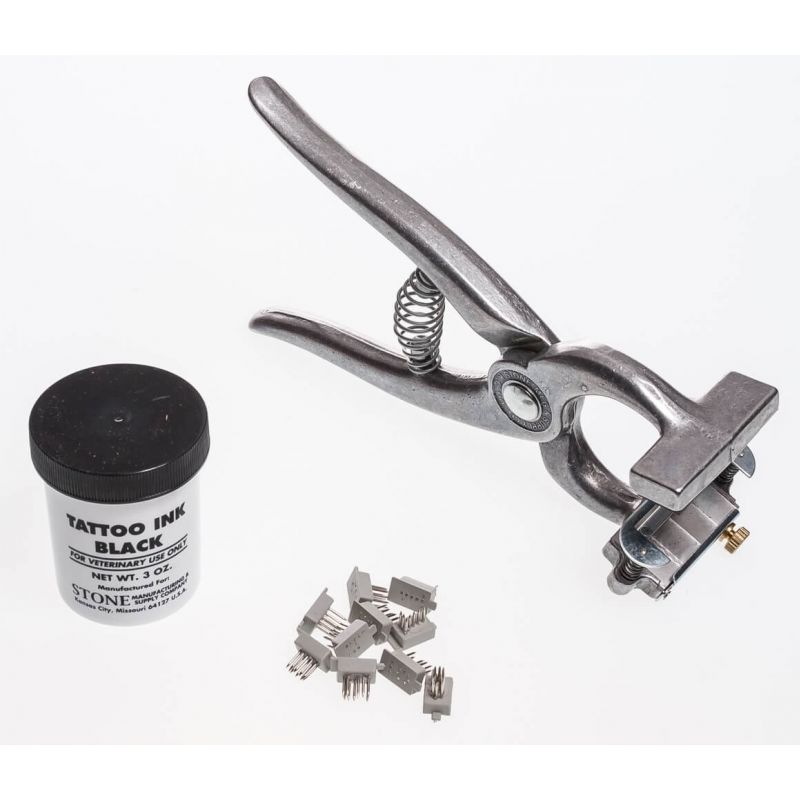
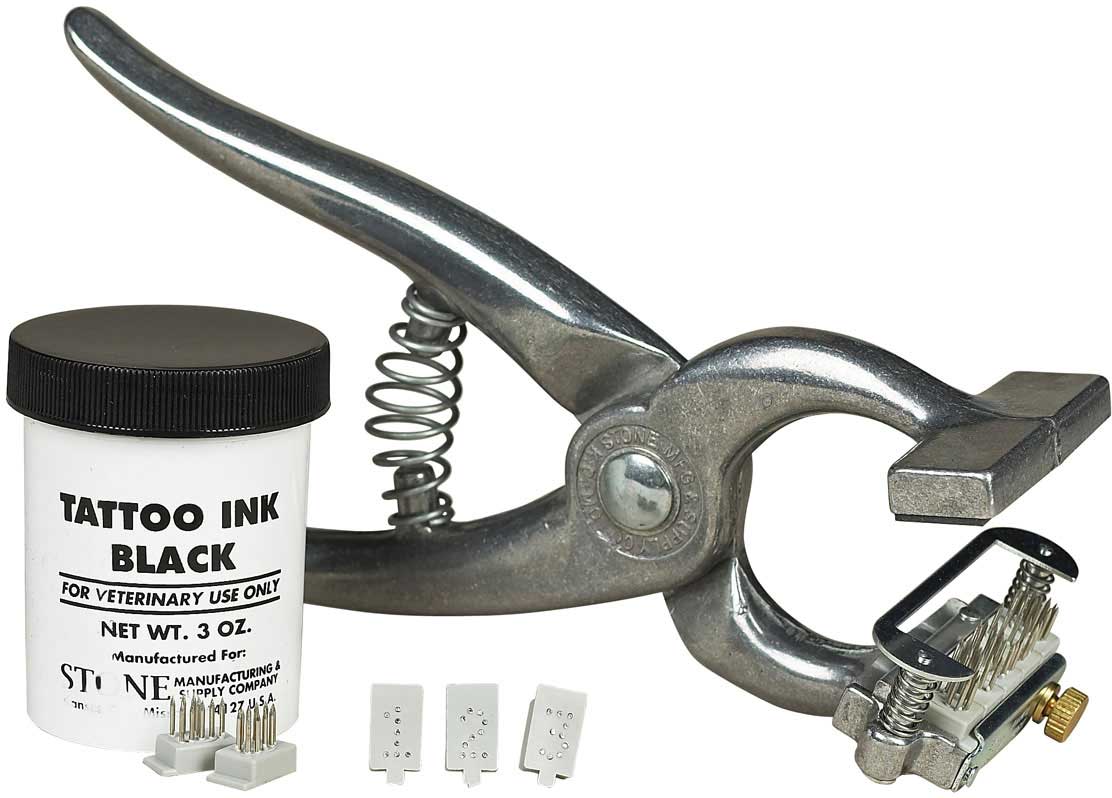
A good kit must have a tattoo machine suitable for small animals. Needles of different sizes are needed for detailed work. Ink that is safe and non-toxic is a must. Gloves and cleaning supplies help keep the process clean. A power supply and foot pedal give control during tattooing.
Quality And Safety Standards
Choose a kit made with safe materials. The ink should be approved for animal use. Tools should be easy to clean and sterilize. Avoid kits with cheap or weak parts. Safety protects the animal and the person tattooing. Look for kits that meet health standards.
Budget Considerations
Find a kit that fits your budget without cutting quality. More expensive kits often last longer and work better. Cheap kits might save money but cause problems later. Think about how often you will use the kit. Balance cost and quality for the best value.
Preparing For The Tattoo
Preparing for a small animal tattoo requires careful thought and planning. This step ensures the process is safe and comfortable for the animal. It also helps you achieve the best result with your tattoo kit. Proper preparation reduces stress and risk for your pet.
Selecting The Design
Choose a design that fits the small size of the animal. Simple shapes and clear lines work best. Avoid very detailed or complex images that may not show well on a tiny canvas. Think about the animal’s personality or something meaningful to you. Keep the design small but visible.
Understanding Animal Anatomy
Know the animal’s skin and body structure. Some spots are thin and sensitive, others are thicker. Avoid tattooing near bones, joints, or delicate areas. The skin should be smooth and free of injuries. This knowledge helps prevent pain and complications during tattooing.
Setting Up A Safe Space
Create a calm, quiet area for the tattoo session. The space should be clean and well-lit. Gather all tools from the tattoo kit before starting. Keep the animal comfortable with soft bedding or a gentle hold. Minimize noise and distractions to keep the animal relaxed.
Safety Precautions
Using a small animal tattoo kit needs careful safety steps. These steps protect both you and the animal. Safety stops infections, pain, and other problems. Follow the right methods for a safe tattoo experience.
Sterilization Techniques
Clean your tools before and after each use. Use alcohol or special disinfectants to kill germs. Always use new needles for every tattoo. Wash your hands well and wear gloves. Keep your workspace neat and free from dust.
Avoiding Allergic Reactions
Test the ink on a small skin patch first. Watch for redness or swelling. Use inks made for animals only. Avoid strong chemicals or unknown brands. Choose hypoallergenic products to reduce risk.
Handling Stress And Pain
Keep the animal calm during the process. Speak softly and move slowly. Stop if the animal shows signs of pain. Use numbing creams designed for pets. Give breaks to reduce stress and discomfort.

Credit: upco.com
Tattooing Process
The tattooing process using a Small Animal Tattoo Kit is simple and careful. It helps create clear and safe tattoos on small pets. Understanding each step ensures a smooth experience for both the pet and the owner. Safety and precision are important during the whole process.
Step-by-step Application
First, prepare the skin by cleaning it well. Use a mild antiseptic to avoid infections. Next, choose the right needle size from the kit. Insert the ink carefully into the needle. Gently press the needle on the skin to start tattooing. Move slowly and steadily to form the design. After finishing, clean the area again and apply a healing cream.
Tools Handling Tips
Hold the tattoo machine firmly but not too tight. Keep your hand steady to avoid mistakes. Use gloves to keep things clean and safe. Change needles after each use to prevent contamination. Store the kit in a dry place to protect the tools. Regularly check the machine for any damage before use.
Maintaining Cleanliness
Clean all tools with disinfectant after every session. Use sterilized needles only. Wash your hands before and after tattooing. Dispose of used needles safely in a sharps container. Keep the tattoo area free from dust and dirt. Clean the workspace thoroughly to maintain hygiene.
Aftercare Tips
Proper aftercare is key for a small animal tattoo kit. It helps the tattoo heal well and keeps your pet safe. Follow these tips closely to avoid problems and support healing.
Healing Stages
The tattoo will go through several healing stages. First, the skin may be red and swollen. This is normal for a few days. Then, a thin scab forms over the tattoo. Do not pick or scratch it. After the scab falls off, the skin might look dry or flaky. This means the tattoo is almost healed. Keep the area clean and dry throughout all stages.
Preventing Infections
Infections can cause pain and damage the tattoo. Clean the tattoo with mild soap and warm water twice daily. Avoid harsh chemicals or alcohol-based products. Use a clean, soft cloth to gently pat dry. Keep the animal’s bedding clean to reduce bacteria. Watch for signs like pus, bad smell, or excessive redness. Contact a vet if you see these signs.
Monitoring Animal Behavior
Animals may try to lick or bite the tattoo. This can cause irritation or infection. Use a protective collar if needed to stop this behavior. Observe your pet for unusual actions like scratching or hiding. Changes in appetite or energy might mean discomfort. Keep your pet calm and comfortable during healing.
Common Mistakes To Avoid
Using a small animal tattoo kit can be exciting. It allows you to create unique designs on small pets or models. Still, mistakes can harm the animal or ruin your work. Avoid these common errors for better results and safety.
Overworking The Skin
Pressing too hard or tattooing the same spot repeatedly can hurt the skin. It causes swelling and slow healing. Work gently and take breaks to avoid damage. Watch the skin’s reaction during the process.
Ignoring Signs Of Distress
Animals may show signs of pain or stress. Look for shaking, vocalizing, or trying to escape. Stop immediately if distress happens. Comfort the animal and check for injury before continuing.
Using Low-quality Ink
Cheap ink can cause allergic reactions or infections. It may fade quickly or change color. Always use ink made for small animal tattoos. Safe ink protects the skin and keeps the design clear.
Legal And Ethical Considerations
Tattooing small animals requires careful thought about laws and ethics. Owners must respect animal rights and follow legal rules. Mistakes can harm animals and lead to legal trouble.
Understanding these legal and ethical aspects helps keep animals safe and healthy. It also ensures tattooing is done responsibly and respectfully.
Animal Welfare Laws
Laws protect animals from harm and cruelty. Each region has rules about tattooing pets. These laws often require safe, clean methods to avoid pain or infection. Ignoring these laws can cause fines or legal action.
Check local regulations before starting any tattoo work. Respecting animal welfare laws shows care and responsibility.
Ethical Tattooing Practices
Ethical tattooing means putting the animal’s well-being first. Avoid causing stress or pain during the process. Use sterile tools and gentle techniques. Choose tattoos only when necessary, such as for identification.
Tattooing should never be for decoration alone. Always consider the animal’s comfort and health before proceeding.
Consulting Veterinarians
Veterinarians provide expert advice on safe tattooing. They can guide on proper procedures and aftercare. Consult a vet to ensure the animal’s health is not at risk.
Professional input reduces risks and improves outcomes. Always seek veterinary help before tattooing small animals.
Alternatives To Tattooing
Tattooing small animals is one way to mark them. Some pet owners seek other options. These alternatives avoid pain and permanent marks. They also help identify pets safely and clearly. Here are some popular choices.
Temporary Inks
Temporary inks provide short-term markings. They are safe and painless for animals. These inks wash off with water or time. Farmers and vets use them for quick ID. They help track animals during events or checks. Temporary inks are gentle and easy to apply.
Microchipping
Microchipping is a common and reliable method. A small chip goes under the animal’s skin. It holds a unique ID number linked to owner data. Vets scan the chip to find the pet’s information. This method lasts for the animal’s life. It is painless and quick to implant.
Custom Collars And Tags
Collars and tags offer visible identification. They come in many colors and styles. Owners can add names, numbers, or addresses. Tags are easy to replace or update. Collars also help control pets outside. They are a simple, non-invasive way to ID pets.
Credit: www.valleyvet.com
Frequently Asked Questions
What Is Included In A Small Animal Tattoo Kit?
A small animal tattoo kit usually contains a tattoo machine, needles, ink, and practice skin.
How Do I Use A Small Animal Tattoo Kit Safely?
Clean the area, use sterile tools, and follow step-by-step instructions to avoid infections.
Can Beginners Use A Small Animal Tattoo Kit?
Yes, many kits are designed for beginners with easy-to-follow guides and safe equipment.
What Types Of Animals Can Be Tattooed With This Kit?
Typically, small pets like hamsters, rabbits, and guinea pigs can be tattooed safely.
How Do I Clean And Maintain The Tattoo Kit?
Wipe tools with alcohol, replace needles after each use, and store everything in a dry place.
Is A Small Animal Tattoo Kit Legal To Use?
Laws vary by location; check local rules before tattooing animals to stay within legal limits.
Conclusion
Choosing the right small animal tattoo kit makes a big difference. It helps you create neat, clear designs with ease. Quality tools and safe ink protect your little pets. Practice often to improve your skills and confidence. Enjoy the process and take your time.
Small tattoos look charming and unique on animals. Keep your kit clean and ready for use. Your pets will appreciate gentle care during tattooing. This kit is a helpful step for beginners and pros. Start simple, learn more, and have fun creating art.
As an Amazon Associate, I earn from qualifying purchases.