If you work with small animals, you know how important quick and accurate diagnosis is. A small animal ultrasound machine can be the game-changer you’ve been looking for.
Imagine being able to see inside your patient’s body without any pain or stress. This tool helps you catch problems early and make better decisions for your furry friends. You’ll discover how choosing the right ultrasound machine can improve your care, save you time, and give you peace of mind.
Keep reading to find out what features really matter and how to pick the best option for your needs.
Benefits Of Small Animal Ultrasound
Small animal ultrasound machines offer many benefits for veterinarians and pet owners. They help diagnose health issues quickly and safely. These machines use sound waves to create images of the animal’s inside organs. This process is easy for pets and gives clear results for doctors.
Non-invasive Diagnostic Tool
Ultrasound scans do not require surgery or needles. This means no pain or bleeding for the animal. Vets can check organs like the heart, liver, and kidneys without harm. It is safe for animals of all sizes and ages.
Real-time Imaging Advantages
Ultrasound provides live images during the scan. Vets can see how organs move and work right away. This helps find problems faster than many other tests. It also allows the doctor to guide needles during treatments safely.
Enhanced Patient Comfort
Small animal ultrasounds are quick and cause little stress. Pets usually stay calm during the process. No need for anesthesia in most cases. This comfort helps vets get better images and faster results.
Key Features To Look For
Choosing a small animal ultrasound machine needs careful thought. The right features help vets get clear images fast. These features also make the machine easy to use. Focus on what really matters for daily tasks.
Portability And Size
Small size helps vets carry the machine easily. A lightweight design fits in tight spaces. Portability lets vets move between rooms or sites. Machines that are too big slow down work. Choose a model that balances size and power.
Image Resolution And Quality
High image clarity shows details in small animals. Sharp images help find health issues early. Look for machines with clear, bright displays. Good resolution saves time and reduces mistakes. Image quality is key for accurate diagnosis.
User-friendly Interface
Easy controls speed up exams. Simple menus and buttons reduce errors. Touchscreens with clear icons make navigation smooth. A user-friendly interface helps new users adapt fast. Training time drops with a clear, simple system.
Probe Types And Frequencies
Different probes fit different animal sizes and needs. High-frequency probes show fine details but have less depth. Low-frequency probes reach deeper but show less detail. Choose probes that cover common exams well. Versatile probe options improve exam quality.
Popular Small Animal Ultrasound Models
Small animal ultrasound machines help veterinarians check pets without surgery. They provide quick images of organs and tissues. Many models exist, each with unique features. Choosing the right one depends on needs and budget.
Top Portable Machines
Portable ultrasound machines are easy to carry. Vets use them for house visits or small clinics. These devices offer good image quality in a compact size. Battery life is important for long use. Brands like SonoVet and VetPro are popular choices. They often include touch screens and simple controls.
High-end Stationary Systems
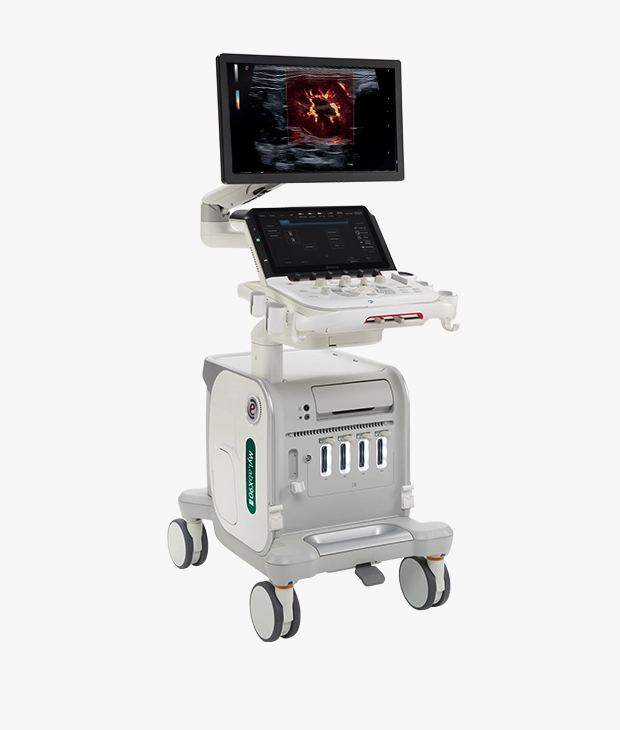
Stationary systems provide detailed images and extra functions. They work best in large clinics or hospitals. These machines have bigger screens and multiple probes. Advanced features include 3D imaging and Doppler modes. They help diagnose complex health issues. Examples include the VetScan and UltraVet series.
Budget-friendly Options
Affordable ultrasound machines suit small clinics and startups. They offer basic imaging with easy operation. These models focus on essential functions to save costs. Some popular budget brands are EasyScan and PetScan. They still deliver clear images for routine exams.

Credit: www.ebay.com
Applications In Veterinary Practice
Small animal ultrasound machines have many uses in veterinary clinics. They help vets see inside animals without surgery. This tool makes diagnosis faster and less stressful for pets.
Ultrasound images show soft tissues, organs, and blood flow clearly. Vets use this information to treat animals better and plan care carefully. Below are key applications of ultrasound in veterinary work.
Abdominal Imaging
Ultrasound helps examine organs like the liver, kidneys, and bladder. Vets find tumors, stones, or infections quickly. This method is safe and pain-free for pets.
It also checks the intestines and stomach for blockages or swelling. Vets spot problems early and decide the best treatment.
Cardiac Assessments
Ultrasound shows the heart’s size, shape, and movement. It helps detect heart diseases and valve problems. Vets measure blood flow and heart function easily.
This test guides treatment plans and monitors heart health over time. It is key in caring for animals with heart conditions.
Reproductive Health Monitoring
Ultrasound tracks pregnancy stages and fetal health in pets. It confirms pregnancy and counts babies. Vets watch fetal growth and detect any issues early.
This tool also helps check the uterus and ovaries for problems. It supports breeding and reproductive care effectively.
Emergency And Critical Care
Ultrasound is fast and useful in emergencies. It finds internal bleeding or fluid buildup quickly. Vets use it to check trauma and organ damage.
This helps make quick decisions and saves animal lives. Ultrasound is a vital tool in urgent veterinary care.
Tips For Effective Ultrasound Imaging
Effective ultrasound imaging is key for accurate diagnosis in small animals. Clear images help veterinarians see inside the body without surgery. Using the right techniques can improve image quality and reduce scan time. Follow these tips for better ultrasound results.
Proper Animal Preparation
Prepare the animal to get clear images. Shave the area to remove hair that blocks sound waves. Clean the skin to remove dirt and oils. Use a gel to help sound waves pass through the skin. Keep the animal calm and still during the scan. Gentle restraint reduces movement and improves image quality.
Optimizing Machine Settings
Adjust the ultrasound machine for the best images. Set the frequency based on the animal’s size. Higher frequencies show more detail but less depth. Lower frequencies penetrate deeper but lose detail. Change the gain to brighten or darken the image. Focus the beam on the area of interest. Use the right probe for the type of scan.
Common Imaging Challenges
Ultrasound imaging has some challenges. Gas in the intestines can block sound waves. Bone creates shadows that hide tissues behind it. Movement from breathing or heartbeat may blur images. Fat tissue can reduce image clarity. Position the animal carefully to avoid shadows. Repeat scans if images are unclear.
Interpreting Ultrasound Results
Learn to read ultrasound images correctly. Look for differences in tissue texture and shape. Healthy organs have a uniform appearance. Abnormal areas may look darker or lighter. Compare both sides of the body for symmetry. Use measurements to track changes over time. Consult experts for uncertain findings.
Maintenance And Care
Proper maintenance and care keep a small animal ultrasound machine working well. It helps avoid breakdowns and extends the machine’s life. Taking simple steps regularly ensures clear images and accurate results.
Cleaning And Sterilization
Clean the ultrasound probe after each use. Use a soft cloth and approved disinfectant. Avoid harsh chemicals that can damage the probe surface. Sterilize parts that touch animals to stop germs spreading. Follow the manufacturer’s instructions for safe cleaning methods.
Regular Calibration
Calibration checks the machine’s accuracy. Schedule calibration every few months or as the manual suggests. Use special tools or hire a professional service. Proper calibration keeps images sharp and measurements correct. It ensures the machine performs at its best.
Troubleshooting Common Issues
Some problems happen often with ultrasound machines. A blurry image may mean the probe is dirty or damaged. If the machine won’t turn on, check power cables and connections. Restart the machine to fix minor software glitches. Contact support if problems continue or parts break.
Future Trends In Small Animal Ultrasound
The future of small animal ultrasound holds exciting possibilities. New technology will improve how vets see inside animals. This means better care and faster diagnosis.
Small animal ultrasound machines will become more precise and easier to use. These changes will help vets spot problems earlier. The tools will support better treatment plans for pets.
Advancements In Imaging Technology
Ultrasound machines will have clearer images with higher resolution. This helps vets see tiny details in organs and tissues. New probes will allow scans of smaller or hard-to-reach areas. Portable devices will get more powerful and lightweight. This allows vets to perform scans outside clinics easily.
Integration With Artificial Intelligence
AI will assist vets by analyzing ultrasound images quickly. It will highlight areas that need closer attention. AI can reduce human error and speed up diagnosis. Machines will learn from many cases to improve accuracy. This will help less experienced vets make confident decisions.
Telemedicine And Remote Diagnostics
Ultrasound images can be shared instantly with specialists anywhere. This allows vets to get expert advice without delay. Remote diagnostics will help animals in rural or underserved areas. Telemedicine will save travel time and costs for pet owners. It makes quality care accessible to more animals.

Credit: www.amazon.com
Credit: www.esaotevet.com
Frequently Asked Questions
What Is A Small Animal Ultrasound Machine Used For?
It helps vets see inside pets without surgery. It checks organs, heart, and pregnancy.
How Does A Small Animal Ultrasound Machine Work?
It uses sound waves to create images of internal body parts.
Which Animals Can Be Scanned With This Machine?
Mostly small pets like cats, dogs, rabbits, and other small mammals.
Is The Ultrasound Procedure Safe For Small Animals?
Yes, it is painless, non-invasive, and does not use harmful radiation.
What Are The Benefits Of Using Ultrasound In Veterinary Care?
It offers quick, clear images to help diagnose illness early and guide treatment.
Can A Small Animal Ultrasound Machine Detect Pregnancy?
Yes, it can confirm pregnancy and monitor the health of the fetus.
Conclusion
A small animal ultrasound machine helps vets see inside pets quickly. It shows organs, tissues, and bones without surgery. This tool makes diagnosis faster and less stressful for animals. Vets can find problems early and give better care. Choosing the right machine matters for clear images and easy use.
Investing in good ultrasound equipment supports pet health and saves time. It plays an important role in modern veterinary care today. Simple, safe, and effective — a smart choice for any clinic.
As an Amazon Associate, I earn from qualifying purchases.