If you care about your horses, you know how important it is to feed them properly. A square bale feeder for horses can make a big difference in how your animals eat and how much hay you waste.
Imagine a simple tool that keeps your hay clean, reduces waste, and saves you time every day. Sounds good, right? You’ll discover everything you need to know about choosing the right square bale feeder for your horses—and why it might be one of the best investments you make for their health and your convenience.
Keep reading to find out how you can improve your feeding routine starting now.
Credit: www.cashmans.com
Benefits Of Square Bale Feeders
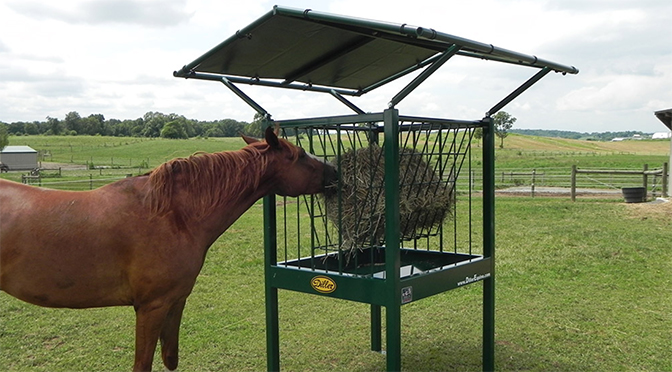
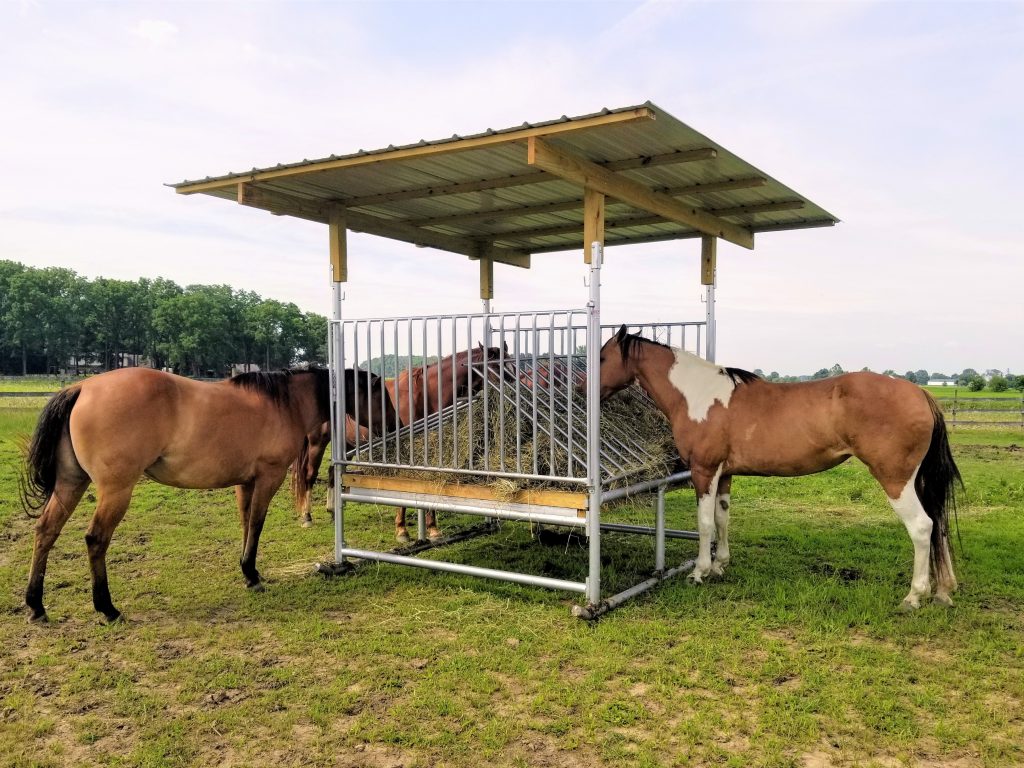
Square bale feeders offer many benefits for horse owners. They help manage hay better and keep horses healthier. These feeders are designed to hold large square bales securely. This design makes feeding easier and cleaner. Using a square bale feeder saves time and money by reducing waste and improving feeding habits.
Reducing Hay Waste
Square bale feeders stop hay from falling on the ground. Hay on the ground gets dirty and wasted. Horses cannot eat dirty or wet hay. The feeder keeps hay in one place, clean and fresh. Less hay waste means you buy less hay over time. This saves money and helps keep your barn tidy.
Improving Feeding Efficiency
These feeders control how horses eat hay. Horses eat more slowly and chew better. Slow eating helps digestion and reduces choking risk. The feeder holds the bale steady, so horses do not pull hay out quickly. Feeding time becomes more organized and less stressful for both horses and owners.
Enhancing Horse Health
Square bale feeders promote better horse health. Slow and steady eating reduces colic risk. Clean hay lowers chances of respiratory issues. The feeder also prevents horses from stepping on hay, avoiding hoof problems. Healthy horses need less vet care and perform better in daily activities.
Types Of Square Bale Feeders
Square bale feeders come in different types to suit various needs and settings. Choosing the right feeder helps keep hay clean and reduces waste. Each type offers unique benefits for horse owners.
Portable Feeders
Portable feeders are easy to move around the farm or pasture. They often have wheels or lightweight frames. These feeders allow flexible feeding locations for horses. They help keep hay off the ground in different spots. Portable feeders are great for temporary use or small herds.
Stationary Feeders
Stationary feeders stay fixed in one place. They are usually stronger and more durable than portable options. These feeders work well in barns or permanent pastures. They provide a stable feeding spot for horses. Stationary feeders often have metal or heavy-duty frames.
Diy Feeders
DIY feeders let you build a custom hay feeder. Using wood or metal, you can create a simple design. This option saves money and fits specific needs. DIY feeders can be portable or stationary. They offer a hands-on way to care for your horses.
Materials And Construction
The materials and construction of a square bale feeder for horses affect its function and lifespan. Choosing the right material ensures the feeder holds up under daily use. It also protects your horses while feeding. Understanding the pros and cons of each option helps you make a smart choice.
Metal Vs. Wood
Metal feeders are strong and resist chewing. They hold their shape well over time. Wood feeders look natural and blend with farm settings. They are lighter but may wear faster. Metal can rust if not treated. Wood can rot if exposed to moisture. Each material offers a different feel and look for your barn.
Durability And Weather Resistance
Feeders face rain, sun, and snow daily. Metal feeders with powder coating resist rust and fading. They last many seasons without damage. Wood feeders need sealing or paint to stay strong. Untreated wood can crack and weaken quickly. Choose materials that match your climate for longer use.
Safety Features
Safe feeders prevent injuries and stress. Rounded edges on metal feeders avoid cuts. Smooth wood surfaces reduce splinters. Proper spacing between bars stops horses from getting stuck. Strong construction keeps the feeder stable during feeding. Safety features protect your horses and give peace of mind.
Choosing The Right Feeder Size
Choosing the right feeder size is important for feeding horses efficiently. The feeder must hold the bale securely. It should also allow horses to eat comfortably. A good size reduces waste and keeps the hay clean.
Consider the bale size, the number of horses, and the space you have. These factors help you pick the best feeder size for your needs.
Matching Bale Dimensions
Square bales come in different sizes. Measure the bale’s length, width, and height. The feeder should fit these dimensions well. A feeder too small will not hold the bale properly. One too large may waste space and hay.
Check the feeder opening size. It must match the bale size closely. This fit keeps the bale stable during feeding.
Number Of Horses
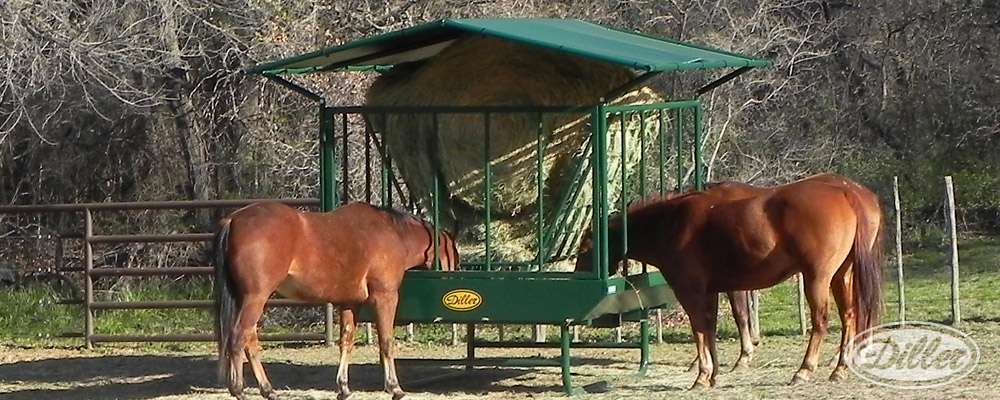
Think about how many horses will use the feeder. More horses need a larger feeder or multiple feeders. This prevents crowding and fighting. Each horse should have enough space to eat calmly.
A feeder that is too small can cause stress and slow feeding. Choose a size that suits your herd size comfortably.
Space Requirements
Measure the area where you plan to place the feeder. The feeder should fit without blocking paths or gates. Leave room for horses to move around safely.
Consider the feeder’s height and width. It should allow easy access for horses and cleaning. Proper space helps keep the feeding area tidy and safe.
Placement And Installation Tips
Placing and installing a square bale feeder correctly helps keep horses safe and healthy. Proper setup also reduces waste and mess. Follow these tips to choose the best spot and secure the feeder well.
Optimal Location In Pasture
Pick a flat spot in the pasture for the feeder. Avoid low areas that collect water or mud. Place it where horses can reach it easily without crowding. Leave enough space around the feeder for several horses to eat at once. Keep it away from fences and trees to prevent damage and injuries.
Ground Preparation
Clear the ground of rocks, sticks, and debris before placing the feeder. Level the area to keep the feeder stable. Adding gravel or wood chips under the feeder helps with drainage. This keeps the ground dry and reduces mud. Dry ground also prevents the bale from rotting quickly.
Securing The Feeder
Make sure the feeder is firmly anchored to the ground. Use stakes, posts, or heavy weights to stop it from tipping over. Check that all bolts and fasteners are tight. A steady feeder lasts longer and protects horses from injury. Regularly inspect the feeder to keep it safe and secure.
Credit: www.dillerag.com
Maintenance And Cleaning
Maintaining and cleaning a square bale feeder for horses keeps it safe and long-lasting. Dirt, mold, and leftover hay can cause problems. Regular care helps protect your horses and saves money on repairs. Simple steps keep the feeder working well year-round.
Regular Inspection
Check your feeder often for cracks or broken parts. Look closely at the frame and floor. Loose or sharp edges can hurt horses. Early fixes stop small issues from growing. Make it part of your daily routine.
Removing Mold And Debris
Clear out old hay and dirt after each use. Mold grows fast in wet or warm places. Use a brush and water to scrub the feeder. Let it dry completely before adding new hay. Clean feeders keep horses healthy and happy.
Extending Feeder Lifespan
Keep the feeder in a dry, shaded spot. Avoid direct sunlight and rain exposure. Use protective covers during bad weather. Lubricate moving parts to prevent rust. Good care means the feeder lasts many years.
Cost Considerations
Choosing the right square bale feeder for horses involves thinking about costs. Understanding the expenses helps make a smart buy. Some costs are one-time, while others happen over time. Knowing this helps plan your budget well.
Initial Investment
The first cost is the price of the feeder itself. Quality feeders can be more expensive but last longer. Cheaper models may save money upfront but wear out fast. Consider the size and material, as they affect the price. Delivery or setup fees might add to the initial cost.
Long-term Savings
A good feeder reduces hay waste, saving money over time. It protects hay from dirt and weather, keeping it fresh. Less waste means buying less hay overall. Durable feeders need fewer repairs or replacements. This lowers ongoing costs and saves effort.
Budget-friendly Options
Many feeders offer solid quality at lower prices. Look for simple designs made from affordable materials. Used feeders can also be a good choice if checked well. Some models come with basic features that work fine. Balance price and quality to find a good fit.
Credit: www.klenepipe.com
Common Challenges And Solutions
Using a square bale feeder for horses is helpful but can bring some challenges. These challenges affect the feeder’s lifespan and the horses’ feeding habits. Knowing common issues and how to fix them improves feeding time and protects your investment.
Preventing Feeder Damage
Horses often chew or kick the feeder, causing damage. Choose feeders made from strong metal or heavy-duty plastic. Regularly check for sharp edges or broken parts. Fix problems quickly to avoid injuries and extend feeder life. Use protective covers to shield feeder corners. This stops horses from chewing and breaking the feeder.
Managing Multiple Horses
Feeding many horses at once can cause fights or stress. Use a feeder with multiple access points. This lets several horses eat without crowding. Watch for aggressive behavior and separate horses if needed. Keep extra feeders to reduce competition. This helps all horses eat calmly and fairly.
Dealing With Weather Effects
Rain, snow, and wind can spoil hay in the feeder. Place the feeder under a shelter to keep hay dry. Use feeders with raised bottoms or covers. This stops hay from getting wet and moldy. Clean feeders often to remove wet or old hay. Dry hay keeps horses healthy and happy.
Frequently Asked Questions
What Is A Square Bale Feeder For Horses?
A square bale feeder holds large hay bales for horses to eat easily and cleanly.
Why Use A Square Bale Feeder For Horses?
It reduces hay waste and keeps the feeding area tidy and safe for horses.
How Does A Square Bale Feeder Benefit Horse Health?
It prevents horses from eating dirty or moldy hay, promoting better digestion.
What Materials Are Best For Square Bale Feeders?
Steel and heavy-duty plastic are durable and weather-resistant for long-lasting use.
Can Square Bale Feeders Fit Different Bale Sizes?
Yes, many feeders adjust to hold various square bale sizes securely.
How To Maintain A Square Bale Feeder?
Regular cleaning and checking for damage keep the feeder safe and functional.
Conclusion
A square bale feeder helps keep horse feed clean and safe. It saves hay by reducing waste and mess. Horses eat more calmly and healthily with this feeder. Easy to use and strong, it suits many farm sizes. Choosing the right feeder makes feeding simpler and better.
A good feeder supports your horse’s health and comfort. Consider this tool for a smarter feeding routine.
As an Amazon Associate, I earn from qualifying purchases.