If you care about your horses, you know how important their safety and comfort are. Choosing the right stall gates can make a big difference in keeping your horses secure and happy.
You want gates that are strong, easy to use, and built to last. But with so many options out there, how do you find the perfect one for your stable? Keep reading, and you’ll discover everything you need to know to pick stall gates that protect your horses and make your life easier.
Choosing The Right Stall Gate
Choosing the right stall gate for horses matters for safety and comfort. A good gate keeps your horse secure and easy to access. It also fits the stall size and lasts long. Consider the material, size, and type to find the best gate.
Materials And Their Benefits
Stall gates come in wood, steel, and aluminum. Wood looks natural and is gentle on horses. Steel is strong and lasts long. Aluminum is light and does not rust. Each material suits different needs and budgets.
Size And Height Considerations
Gates must fit the stall’s width and height. Too small or low can let horses escape. A standard height is about 5 to 6 feet. The width depends on the stall opening. Measure carefully to avoid mistakes.
Types Of Stall Gates
Sliding gates save space and work well in narrow areas. Swing gates open like a door and are easy to use. Bar gates give good airflow and let horses see out. Choose a type that matches your stall layout.
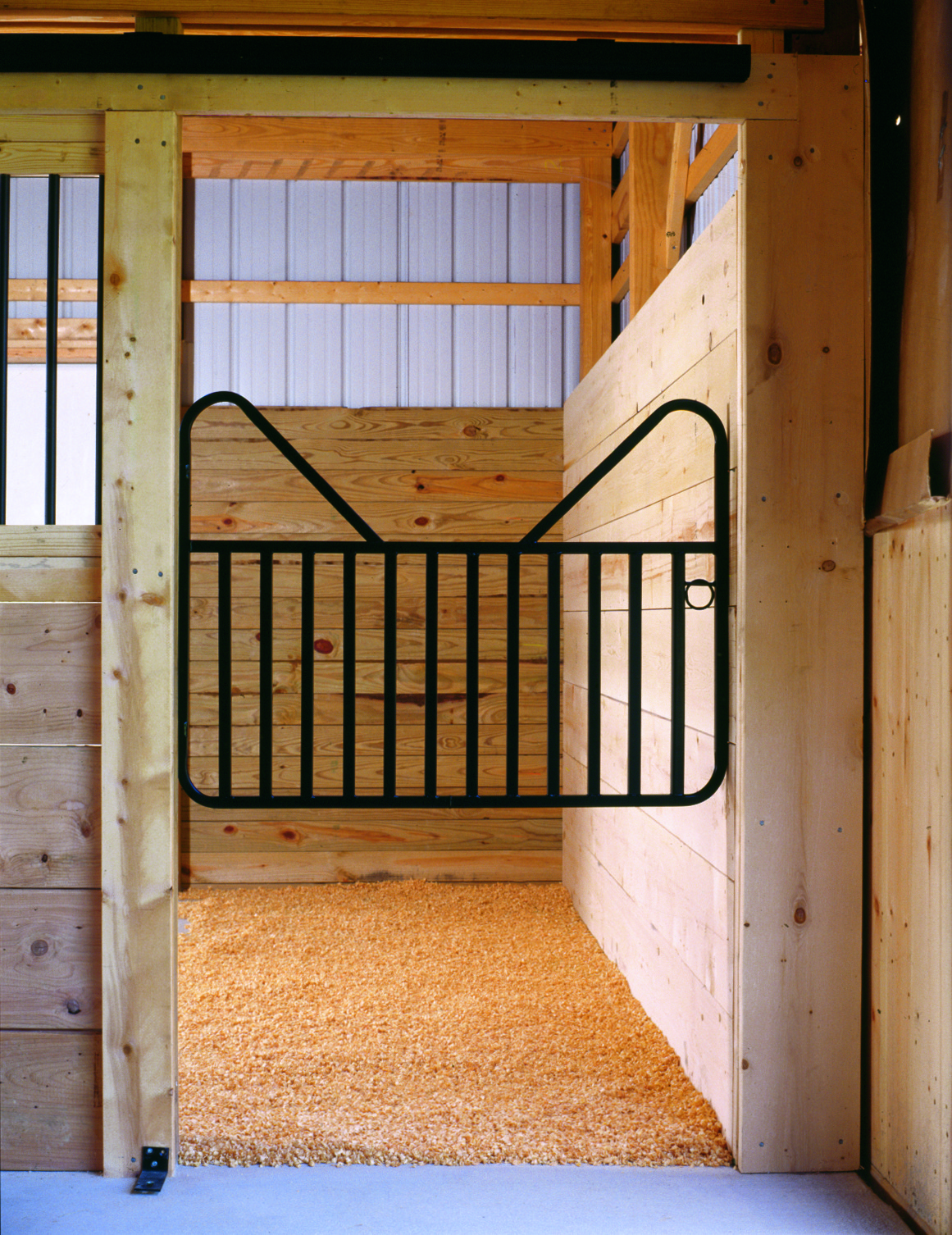
Credit: woodstarproducts.com
Safety Features To Look For
Choosing the right stall gates for horses means focusing on safety first. Horses need gates that protect them from injury and keep them secure. Strong construction is important, but safety features make the biggest difference.
Good safety features help prevent accidents and stress. They give horse owners peace of mind. Below are key safety features to check before buying stall gates.
Secure Latches And Locks
Latches must stay tightly closed. Loose latches let horses push gates open. Locks should be easy for humans but hard for horses to open. Choose latches that avoid pinching or sharp edges. This stops horses from hurting themselves or escaping.
Smooth Edges And Surfaces
Sharp edges can cut or scrape horses. Gates need rounded or smooth parts everywhere horses might touch. Smooth surfaces stop injuries during daily use. Check welds and joints for rough spots. A smooth gate means safer and happier horses.
Visibility And Ventilation
Good visibility lets horses see outside their stall. Bars or openings must be spaced well to avoid head or leg traps. Proper ventilation keeps air fresh and reduces heat or moisture. This lowers sickness risk and keeps horses calm and healthy.
Durability Factors
Durability is a key factor in choosing stall gates for horses. Strong, long-lasting gates keep horses safe and reduce replacement costs. Understanding what makes a gate durable helps in picking the right one for your stable. Several factors affect how well a stall gate stands up over time.
Weather Resistance
Stall gates face rain, sun, and cold every day. Materials like galvanized steel or powder-coated metal resist rust and corrosion. Wood gates need sealants to protect against moisture and rot. Good weather resistance prevents damage and keeps gates looking new longer.
Maintenance Tips
Regular cleaning removes dirt and debris that can cause damage. Check hinges and locks for rust and oil them often. Tighten loose screws to keep the gate stable. Simple upkeep extends gate life and maintains safety.
Impact And Wear Resistance
Horses often push or lean on stall gates. Strong frames and thick bars resist bending or breaking. Welded joints add extra strength. Choosing gates with impact resistance avoids quick wear and tear.
Installation Tips
Installing stall gates for horses requires careful planning and the right approach. Proper installation ensures safety and ease of use for both horses and caretakers. Follow these tips to make the process smooth and effective.
Proper Placement
Place the stall gate where it is easy to open and close. Ensure enough space for the horse to enter and exit comfortably. Avoid tight corners or narrow openings. Position the gate so it swings outward for better access. Check that the gate height suits the horse’s size to prevent jumping or escaping.
Tools And Materials Needed
Gather all tools before starting the installation. You will need a drill, screws, measuring tape, level, and wrench. Use strong hinges and durable materials like steel or heavy wood. Choose rust-resistant hardware for longer gate life. Prepare safety gear, such as gloves and eye protection, to avoid injuries.
Common Installation Mistakes
Do not install the gate too loosely; it may swing open or fall. Avoid placing hinges too far apart, which weakens the gate’s support. Do not ignore leveling the gate; an uneven gate can jam. Avoid using weak screws or nails that can come loose. Check the gate’s locking mechanism to ensure it works securely every time.
Customizing Stall Gates
Customizing stall gates for horses lets you meet specific needs. You can improve safety, convenience, and style. Each feature adds value to your stable and helps care for your horse better.
Adding Feeding Ports
Feeding ports allow easy feeding without opening the gate. They save time and reduce stress for both horse and handler. Ports come in different sizes to fit various feed containers. A secure feeding port stops horses from escaping or reaching other horses. This feature keeps feeding safe and simple.
Incorporating Security Enhancements
Security is key in horse stalls. Locks and latches prevent horses from opening gates by accident. You can choose heavy-duty materials for more strength. Rounded edges and smooth finishes keep horses safe from injury. Security features protect your horse and give peace of mind.
Aesthetic Options
Stall gates can be customized to look great in your barn. Choose colors that match your stable’s theme. Decorative patterns and designs add charm without losing function. A polished finish resists rust and keeps gates looking new. A nice gate makes your stable welcoming and neat.
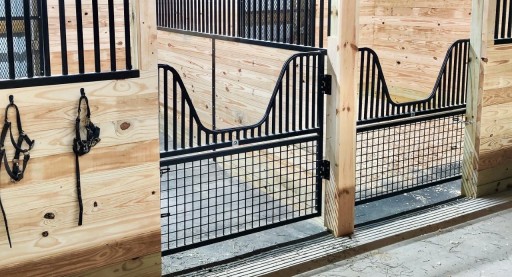
Credit: www.cashmans.com
Troubleshooting Common Issues
Stall gates for horses can face problems over time. These issues affect safety and ease of use. Fixing common problems early keeps gates working well. Regular checks help catch small issues before they grow. Below are some typical problems and how to handle them.
Gate Warping And Sagging
Wooden or metal gates may warp or sag with time. Warping happens due to moisture or heat changes. Sagging occurs when hinges or supports weaken. A warped gate won’t close properly and may trap your horse. Check hinges and tighten any loose screws. Replace bent hinges to keep the gate level. For wooden gates, sanding and sealing can reduce warping.
Latch Failures
Latch problems stop gates from staying closed. Dirt, rust, or broken parts cause latch failure. A faulty latch may let horses escape. Clean latches often to remove dirt and debris. Oil moving parts to keep them smooth. Replace broken latches quickly to keep your horse safe.
Corrosion And Rust
Metal gates face corrosion and rust, especially outdoors. Rust weakens the gate and makes it unsafe. Check metal parts for rust spots regularly. Use a wire brush to remove rust. Apply rust-resistant paint or coating to protect the metal. Keep gates dry to slow rust growth. Fix rust early to extend gate life.
Cost And Budgeting
Choosing the right stall gate for your horse involves planning your budget carefully. Prices vary depending on materials, size, and design. Understanding these costs helps you make smart decisions without overspending.
Price Ranges By Material
Wooden stall gates usually cost between $150 and $400. They offer a classic look but need regular care. Steel gates range from $300 to $800. They are strong and last longer with less maintenance. Aluminum gates fall in the $400 to $900 range. They are lightweight and resist rust well. Vinyl gates cost about $200 to $600 and provide easy cleaning but less durability.
Long-term Investment Benefits
Good stall gates protect your horse and reduce repair costs. Durable materials save money over time by lasting longer. Gates that need less upkeep free up your time. Well-built gates also add value to your stable. Choosing quality may mean spending more now but saving later.
Where To Buy Quality Gates
Check local farm supply stores for hands-on selection and advice. Online retailers offer a wider variety and competitive prices. Some manufacturers sell directly, offering custom options. Read reviews to find trusted sellers. Ask other horse owners for recommendations. Compare prices and shipping costs before buying.
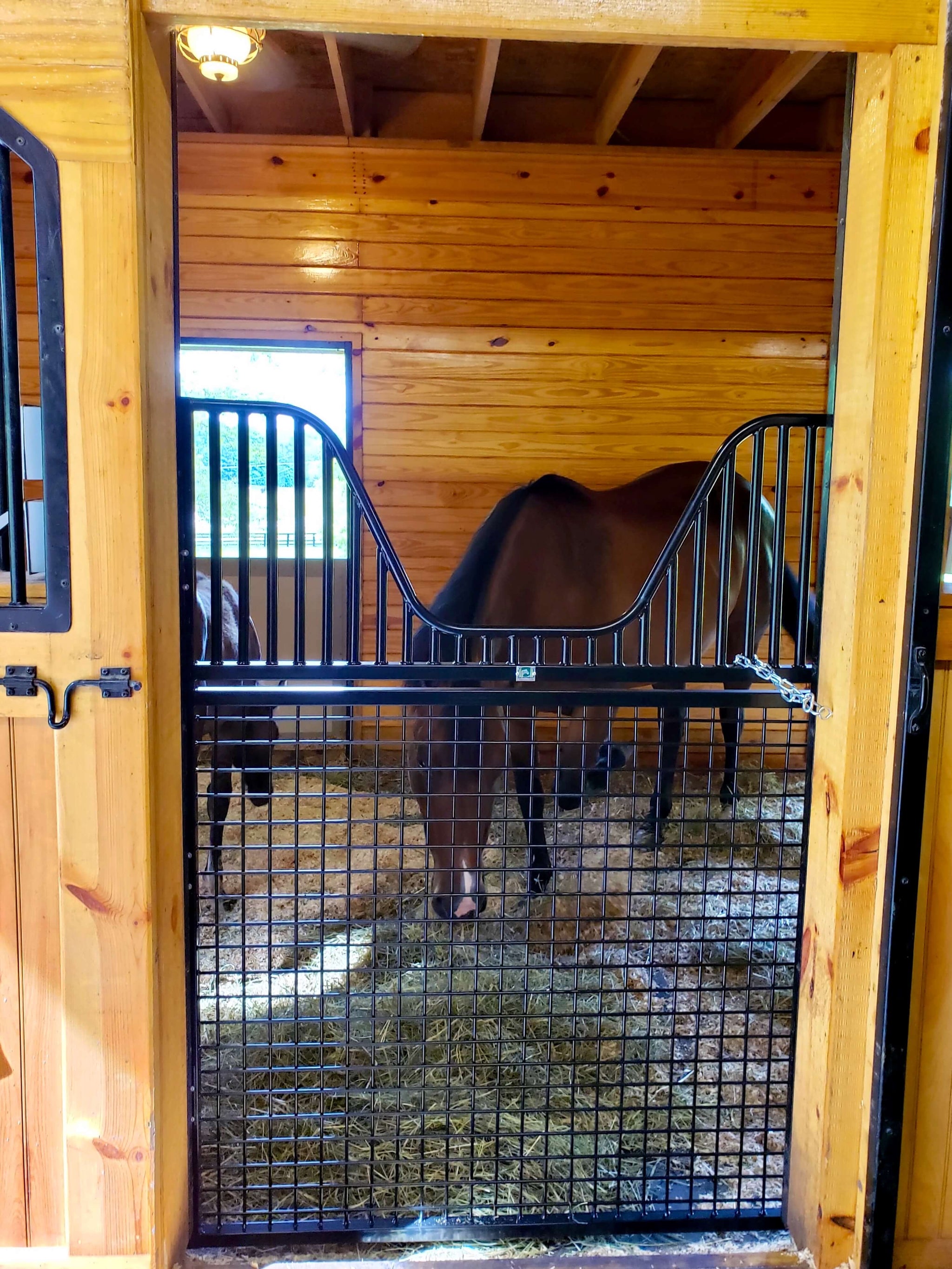
Credit: americanstalls.com
Frequently Asked Questions
What Materials Are Best For Horse Stall Gates?
Wood and metal are common materials. Wood offers warmth; metal provides strength and durability.
How Do Stall Gates Improve Horse Safety?
They prevent horses from escaping and reduce injuries by keeping horses separated safely.
What Size Should A Stall Gate Be For Horses?
Typically, gates are 4 to 5 feet tall and wide enough for easy horse movement.
Can Stall Gates Be Customized To Fit Different Stalls?
Yes, many gates can be tailored in size and design to fit unique stall spaces.
How Do You Maintain And Clean Stall Gates?
Regularly check hinges and latches. Clean with mild soap and water to avoid rust or damage.
Are Sliding Or Swinging Stall Gates Better For Horses?
Sliding gates save space; swinging gates are easier to install and repair. Choose based on your stall layout.
Conclusion
Stall gates keep horses safe and comfortable in their space. They help control movement and prevent accidents. Choosing the right gate means thinking about size, material, and style. Strong, easy-to-use gates make daily care easier. Good gates also improve stable organization and horse wellbeing.
Remember, a simple change can make a big difference. Keep your horses happy with the best stall gates. Safety and comfort matter most every day.
As an Amazon Associate, I earn from qualifying purchases.