Are you looking for a simple, flexible way to provide shelter for your horse without the hassle of permanent construction? Temporary horse stalls might be exactly what you need.
They offer quick setup, easy relocation, and reliable protection for your horse wherever you go. Whether you’re heading to a show, moving to a new farm, or just need extra space during busy seasons, these stalls can make your life easier and keep your horse safe and comfortable.
Keep reading to discover how temporary horse stalls can solve your toughest stable challenges with minimal effort.
Choosing Temporary Stalls
Choosing the right temporary horse stalls is important for your horse’s comfort and safety. These stalls offer flexibility for events, travel, or short-term shelter. Understanding key features helps make a smart choice. Focus on materials, size, and portability to fit your needs.
Materials And Durability
Temporary horse stalls come in various materials. Steel frames offer strong support and last long. Aluminum is lighter but still sturdy. Some stalls use heavy-duty plastic panels. Choose materials that resist weather and wear. Durability ensures safety and less maintenance over time.
Size And Space Requirements
Stall size affects your horse’s comfort. Standard stalls measure around 10 by 10 feet. Bigger horses need more room to move. Think about space for bedding and feeding. Proper size prevents stress and injury. Measure your available area before buying or renting.
Portability Options
Portability is key for temporary stalls. Some models fold or collapse for easy transport. Wheels make moving stalls simpler on flat ground. Lightweight materials help with loading and unloading. Easy setup saves time at events or farms. Choose stalls that fit your transport method.
Setting Up Stalls
Setting up temporary horse stalls requires careful planning and attention. A well-set stall keeps horses safe and comfortable. It also makes daily care easier. Follow clear steps and safety tips for the best results.
Site Selection Tips
Choose flat ground to keep the stall stable. Avoid low spots where water can collect. Good drainage prevents mud and dampness. Pick a spot with natural shade or room for shade structures. Keep the area away from hazards like sharp objects or busy roads. Easy access for feeding and cleaning saves time.
Assembly Steps
Start by laying out all stall parts. Check each piece for damage or missing parts. Follow instructions carefully for strong connections. Use tools like wrenches and hammers as needed. Secure gates and panels tightly to prevent gaps. Double-check the structure’s stability before adding bedding. Make sure doors open smoothly and lock securely.
Safety Precautions
Wear gloves and sturdy shoes during setup. Keep children and pets away from the work area. Inspect the stall regularly for loose bolts or sharp edges. Avoid materials that can splinter or rust. Place bedding evenly to avoid slippery spots. Ensure proper ventilation to keep air fresh and reduce dust. Keep emergency tools nearby in case of accidents.
Enhancing Comfort
Temporary horse stalls provide a safe and cozy space for horses during events or travel. Comfort is key in these stalls to keep horses calm and healthy. Small changes can make a big difference in how horses feel inside.
Bedding Choices
Soft bedding helps horses rest and protects their legs. Straw is common, warm, and absorbs moisture well. Wood shavings are clean, soft, and reduce dust. Avoid wet or moldy bedding to prevent sickness.
Ventilation And Lighting
Good airflow stops heat and bad smells from building up. Open sides or windows allow fresh air inside. Natural light helps horses stay calm and maintain their rhythm. Avoid harsh or bright artificial lights.
Temperature Control
Keep stalls cool in summer with shade and fans. In cold weather, use windbreaks or blankets to keep horses warm. Check temperature often to avoid stress or illness. Comfort depends on stable, safe conditions.
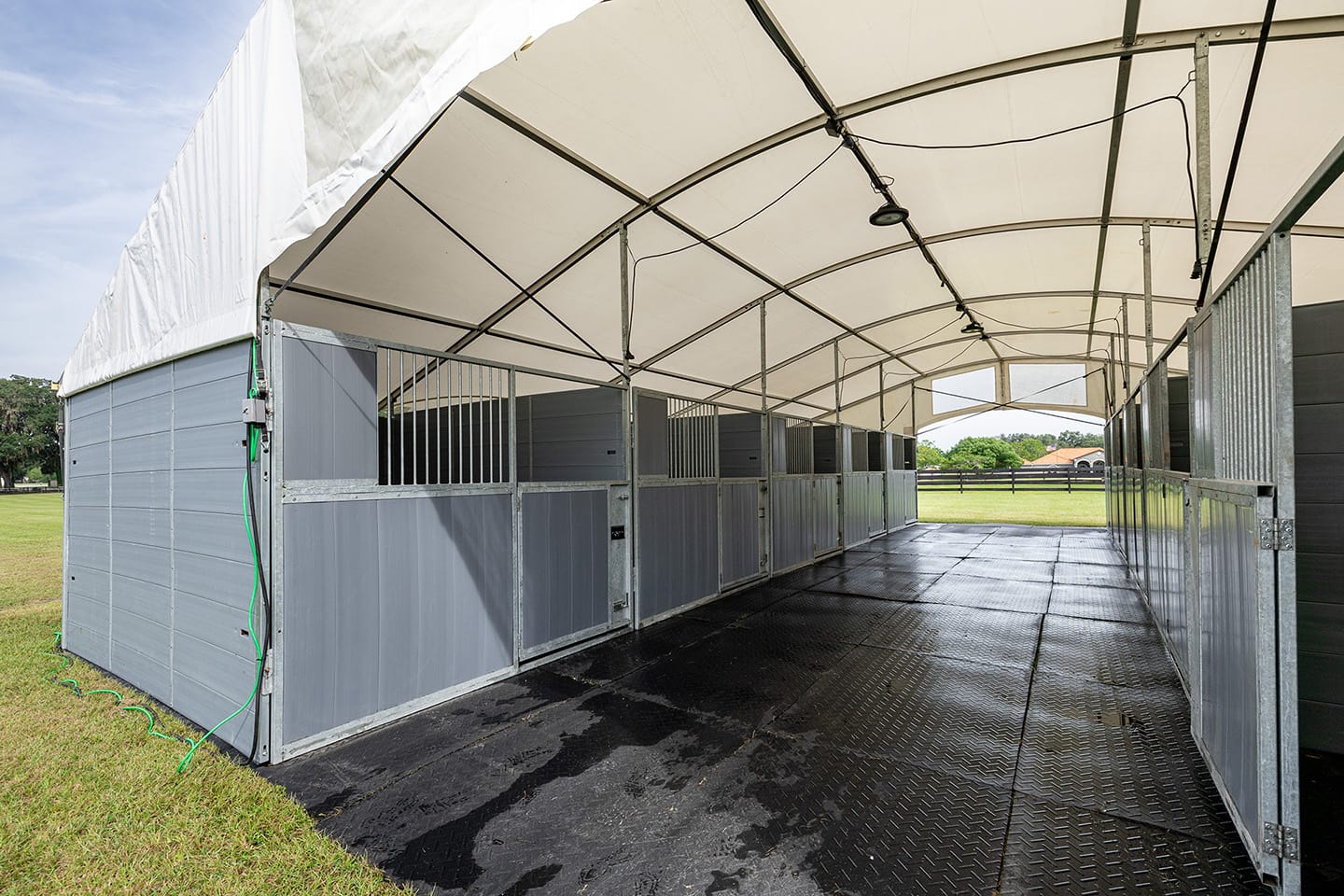
Credit: feistabling.com
Maintenance And Cleaning
Temporary horse stalls need regular care to keep horses healthy and happy. Clean and well-maintained stalls reduce odors and prevent diseases. Proper maintenance also extends the life of the stall materials. Focus on daily cleaning, waste handling, and quick repairs.
Daily Upkeep Routines
Check the stall every day for dirt and wet spots. Remove soiled bedding and replace it with fresh material. Sweep or rake the floor to keep it dry and clean. Give the horse fresh water and check the feed area. A clean stall keeps horses comfortable and safe.
Waste Management
Remove manure and urine regularly to control smell and flies. Use wheelbarrows or shovels to collect waste quickly. Store waste in a covered area to avoid spreading germs. Composting manure is an eco-friendly option. Proper waste handling keeps the environment clean.
Stall Repairs
Inspect the stall for broken boards, nails, or loose parts. Fix any damage immediately to avoid injuries. Tighten screws and replace damaged panels as needed. Check hinges and latches to ensure doors close safely. Regular repairs keep the stall secure and functional.
Cost And Budgeting
Budgeting for temporary horse stalls helps manage your expenses smartly. Knowing costs upfront avoids surprises. It allows you to plan better for your horse care needs.
Initial Investment
Temporary horse stalls need some starting costs. You buy or rent the structure, panels, and gates. Quality materials may cost more but last longer. Installation might require tools or help from others. Location affects price too. Choose a stall size that fits your horse and space.
Ongoing Expenses
Temporary stalls need regular care. Cleaning and maintenance keep them safe and durable. Bedding material adds to costs and must be replaced often. Repairs may happen if panels get damaged. Utilities like lighting or water access might increase bills. Check your stall often to avoid big repairs.
Cost-saving Tips
Buy used panels or rent stalls to save money. Choose simple designs with fewer parts. Maintain stalls regularly to avoid costly repairs later. Use local materials to cut delivery costs. Share stalls with other horse owners for bulk discounts. Shop around for the best prices and deals.
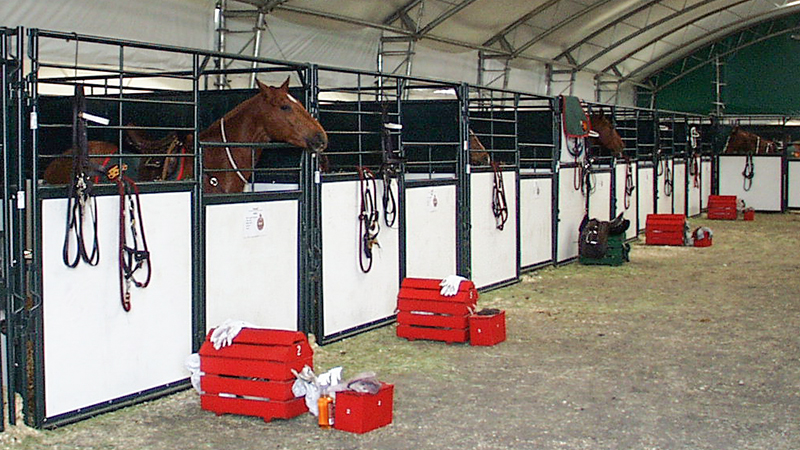
Credit: www.hi-hog.com
Common Challenges
Temporary horse stalls offer flexibility and convenience but come with certain challenges. Understanding these common issues helps in planning better and ensuring horse safety. The challenges often relate to weather, animal behavior, and equipment limits. Each factor affects the stall’s effectiveness and horse comfort.
Weather Issues
Weather can quickly turn a temporary stall into a problem. Rain can cause muddy, slippery floors that are unsafe for horses. Strong winds may knock down lightweight panels or make the stall unstable. Extreme heat or cold affects horse comfort and health. Proper shelter and drainage are essential for all weather conditions.
Animal Behavior
Horses are strong and curious animals. They may push or kick the stall walls, causing damage. Some horses try to escape by leaning or pawing at the panels. Stress or boredom can increase destructive behavior. Observing horses and using durable materials helps reduce risks.
Equipment Limitations
Temporary stalls often use lightweight, portable materials. These may not offer the same strength as permanent structures. Connections and joints can loosen over time or with heavy use. Some stalls lack proper ventilation or flooring options. Regular checks and maintenance keep the equipment safe and functional.
Alternative Stall Solutions
Temporary horse stalls offer flexible solutions for short-term needs. They help keep horses safe and comfortable without permanent construction. Alternative stall options suit different budgets and spaces. These choices allow quick setup and easy removal. They are ideal for events, emergencies, or extra horses.
Portable Panels
Portable panels create a quick and sturdy stall. They often come in metal or strong plastic. Panels connect with clips or bolts for stability. You can change the size by adding or removing panels. This option moves easily to different locations. Portable panels fit well in barns or open fields.
Pop-up Stalls
Pop-up stalls offer fast assembly with minimal tools. They fold out like a tent and secure with stakes. These stalls use durable fabric and mesh for airflow. Pop-up stalls are light and easy to carry. They work well for shows or trail rides. Cleanup is simple, and storage takes little space.
Diy Options
DIY stalls let you customize with available materials. Wood pallets, pipe fittings, and mesh are common choices. Building your own stall saves money and fits unique needs. Make sure to check for safety and stability. DIY stalls can be temporary or semi-permanent. They provide a hands-on way to create a horse-friendly space.
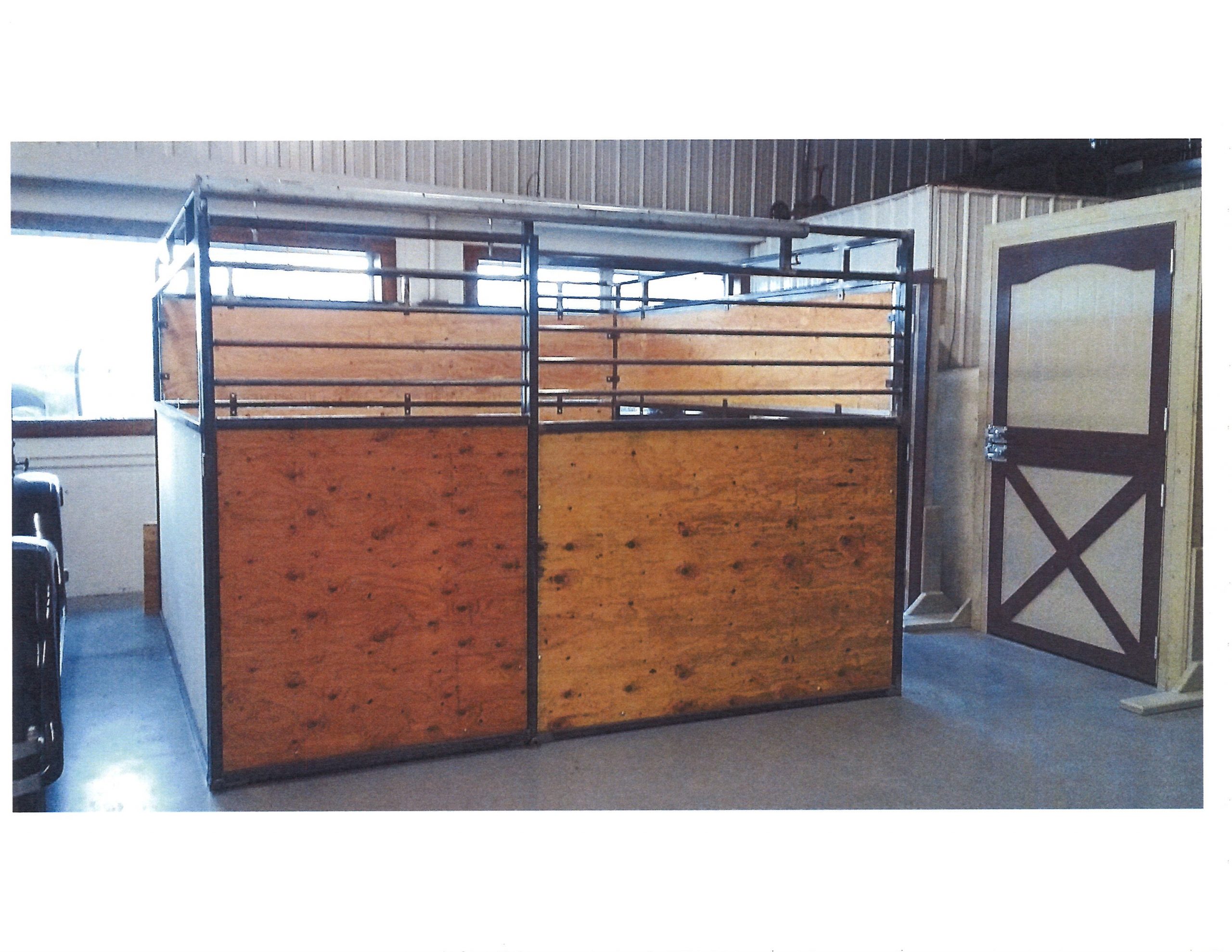
Credit: woodstarproducts.com
Frequently Asked Questions
What Are Temporary Horse Stalls Made Of?
Temporary horse stalls use lightweight metal or durable plastic frames with strong panels.
How Easy Is It To Set Up Temporary Horse Stalls?
Most temporary stalls take less than an hour to assemble with basic tools.
Can Temporary Horse Stalls Protect Horses From Weather?
Yes, many have covers or walls that shield horses from sun, rain, and wind.
Are Temporary Horse Stalls Safe For All Horse Breeds?
They are designed to be safe for most breeds, but always check stall size.
How Portable Are Temporary Horse Stalls For Travel?
They are lightweight and foldable, making transport and storage simple and quick.
What Is The Average Cost Of Temporary Horse Stalls?
Prices vary, but most temporary stalls cost between $200 to $700 depending on size.
Conclusion
Temporary horse stalls offer a flexible and cost-effective solution. They provide shelter and safety for horses during events or travel. Easy to set up and move, they fit many different needs. These stalls help keep horses comfortable in new environments.
Choosing the right stall supports your horse’s health and happiness. Consider your space, budget, and horse’s size before buying. Temporary stalls bring convenience without sacrificing quality. Simple, practical, and reliable—an ideal choice for horse owners.
As an Amazon Associate, I earn from qualifying purchases.