Are you ready to discover the magic behind “The Art of Horse Riding 7 Little Words”? Whether you’re a beginner or someone looking to sharpen your skills, understanding these seven simple words can change how you connect with your horse.
Imagine feeling more confident, balanced, and in sync every time you ride. This guide will unlock secrets that make horse riding not just a skill, but an experience you truly enjoy. Keep reading, and see how these small words can make a big difference in your riding journey.

Credit: www.youtube.com
Basics Of Horse Riding
Horse riding is a skill that mixes balance, patience, and trust. The basics of horse riding form the foundation for a safe and fun experience. Understanding these basics helps riders build confidence and enjoy every moment on horseback.
Each step, from choosing the horse to mounting, plays a key role. Learning these early steps makes riding easier and safer.
Choosing The Right Horse
Pick a horse that matches your skill level. Beginners should choose calm and well-trained horses. A horse’s size should suit your height and weight. Friendly horses make learning less stressful. Ask an expert for advice if unsure. The right horse helps you feel safe and relaxed.
Essential Riding Gear
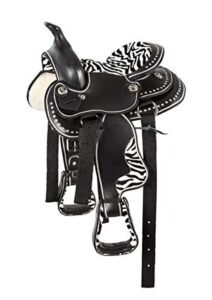
Wear a helmet to protect your head. Comfortable boots with a small heel keep feet secure. Use riding gloves to avoid blisters. Choose clothes that allow easy movement. A proper saddle and bridle fit the horse well. Good gear improves your control and safety.
Mounting And Dismounting
Stand beside the horse’s left side. Hold the reins and saddle firmly. Place your left foot in the stirrup. Push up gently and swing your right leg over. Sit down slowly and adjust your posture. To dismount, reverse the steps carefully. Practice these moves to build confidence and safety.
Credit: www.americanfarriers.com
Core Riding Techniques
Core riding techniques form the foundation of good horse riding. These skills help riders stay safe and comfortable. They also improve communication between rider and horse. Understanding these basics leads to a better riding experience. Below are three key areas every rider should focus on.
Posture And Balance
Good posture keeps the rider steady and secure. Sit upright with a straight back. Keep your shoulders relaxed and down. Balance your weight evenly on both seat bones. Eyes should look ahead, not down. Proper posture helps the horse move freely. It also reduces strain on your body.
Controlling Speed And Direction
Speed control depends on your body signals and commands. Use your legs to ask the horse to move faster or slower. To stop, gently pull back with your seat and reins. Change direction by shifting your weight slightly and guiding with reins. Clear, calm signals help the horse understand you. This makes riding smoother and safer.
Using Reins Effectively
Hold the reins firmly but gently. Avoid pulling too hard to prevent discomfort. Use light pressure to guide the horse’s head. Keep your hands steady and quiet. Soft rein movements tell the horse where to go. This connection builds trust between rider and horse. It also improves control and communication.
Developing Confidence
Developing confidence is key in the art of horse riding. Confidence grows with each ride and each moment spent with your horse. It helps you stay calm and enjoy the experience. Confidence makes riding safer and more fun for both you and your horse.
Building Trust With Your Horse
Trust is the base of a strong rider-horse bond. Spend time near your horse without riding. Talk softly and offer gentle touches. Horses sense your calm and feel safe. Trust grows slowly but firmly. A trusted horse listens better and reacts calmly. This trust helps you feel more sure while riding.
Overcoming Common Fears
Many riders fear falling or losing control. Start by learning basic riding skills in a safe space. Take small steps. Practice mounting and walking first. Use slow, calm movements. Fear fades with practice and patience. Talk about your fears with a trainer. Facing fears slowly builds real confidence.
Practicing Safe Riding Habits
Safety is part of confidence. Always wear a helmet and proper boots. Check your gear before riding. Learn how to control your horse gently. Know how to stop and turn safely. Follow stable rules every time. Safe habits protect you and your horse. They also help you feel ready and strong.
Advanced Riding Skills
Advanced riding skills push your horse riding experience to a higher level. These skills need practice, focus, and trust between rider and horse. They help you ride with more control and confidence. You learn to handle different challenges on the trail or in the arena.
Jumping Basics
Jumping is a thrilling part of horse riding. Start with small jumps to build your horse’s confidence. Keep your body balanced and eyes forward. Hold the reins gently but firmly. Timing is key to help your horse clear the jump smoothly.
Riding At Different Gaits
Each gait has its own rhythm and speed. Walk is slow and steady. Trot is faster with a bouncing feel. Canter is smooth and faster than trot. Learn to adjust your seat and hands for each gait. This keeps your ride comfortable for both you and the horse.
Navigating Obstacles
Obstacles test your skills and your horse’s training. Approach each obstacle calmly and with clear signals. Use your body and voice to guide your horse. Stay relaxed and focused to help your horse stay calm. Practice different obstacles to build trust and skill.
Training And Practice Tips
Training and practice form the backbone of horse riding skills. Consistent effort helps riders gain control, balance, and confidence. Simple, clear tips make learning smoother and safer for both rider and horse.
Focus on practical steps that build steady progress. Small improvements lead to big results over time. Patience and dedication matter most in this journey.
Setting Realistic Goals
Start with clear, simple targets. Choose goals that match your current skills and horse’s ability. Avoid pushing too hard too fast. Break bigger goals into smaller, easy steps. Celebrate each small success to stay motivated.
Routine Practice Strategies
Practice regularly to build muscle memory and trust. Short sessions, done often, work better than long, rare ones. Mix riding exercises to keep things interesting. Warm up both yourself and your horse before riding. Rest days are important to avoid fatigue.
Learning From Mistakes
Mistakes are part of learning. Analyze what went wrong without blaming yourself. Ask for feedback from trainers or experienced riders. Use errors as chances to improve technique. Stay calm and patient; progress takes time and effort.
Maintaining Horse Health
Maintaining horse health is key to enjoying horse riding safely and happily. A healthy horse performs better and stays active longer. Taking care of your horse daily helps prevent illness and injury. Simple routines keep your horse strong and comfortable.
Basic Grooming Techniques
Grooming your horse is more than cleaning. It checks for cuts, swelling, or dirt. Use a curry comb to loosen dirt and hair. Brush gently to remove debris and improve blood flow. Clean hooves with a hoof pick to avoid infections. Groom daily to build trust and spot problems early.
Recognizing Signs Of Discomfort
Watch your horse for signs of pain or stress. Changes in eating, movement, or behavior signal discomfort. Limping, sweating, or unusual posture may mean injury. Restlessness or aggression can also show illness. Acting fast helps your horse recover quickly.
Feeding And Care Tips
Feed your horse balanced meals with fresh hay and grains. Provide clean water at all times. Avoid sudden changes in diet to prevent stomach upset. Regular exercise supports digestion and muscle health. Keep your horse’s living area clean and dry to reduce infections.

Credit: www.tripadvisor.com
Frequently Asked Questions
What Is The Basic Skill Needed For Horse Riding?
Balance and control are the most important skills in horse riding.
How Can Beginners Improve Horse Riding Quickly?
Practice regularly and start with simple riding lessons to build confidence.
What Safety Gear Is Essential For Horse Riders?
A helmet, boots with heels, and gloves are key safety gear.
How Does Horse Riding Benefit Physical Health?
It improves balance, coordination, and strengthens core muscles.
What Are Common Horse Riding Styles To Know?
English and Western are the two main riding styles.
How To Calm A Nervous Horse Before Riding?
Speak softly, move slowly, and offer gentle pats to relax the horse.
Conclusion
Horse riding combines skill, trust, and care. Each ride teaches patience and balance. Feel the rhythm between you and the horse. Practice builds confidence and deepens connection. Enjoy the journey, step by step. Every small lesson shapes your riding art.
Keep riding, keep learning, and have fun.
As an Amazon Associate, I earn from qualifying purchases.