Imagine standing where the land meets the wild, watching powerful horses roam free with no fences or boundaries. The Wild Horses of Sable Island are unlike any you’ve seen before.
These untamed creatures have captured the hearts of many, and now, through this gallery, you get a chance to see their beauty up close. If you’ve ever felt drawn to nature’s raw strength and freedom, this is your moment to connect.
Keep reading to discover stunning images and stories that bring the spirit of Sable Island’s wild horses straight to you.
Sable Island At A Glance
Sable Island is a small, remote island known for its wild horses. It has a unique charm that draws nature lovers and photographers. The island’s beauty and mystery make it a special place to explore.
Visitors come to see the horses and experience the island’s untouched nature. It offers a rare glimpse into a fragile ecosystem that thrives far from the mainland.
Location And Landscape
Sable Island lies about 300 kilometers southeast of Nova Scotia, Canada. It stretches 42 kilometers long and 1.5 kilometers wide. The island is mostly sand dunes and wide beaches.
Strong winds shape the dunes, creating a constantly changing landscape. The island’s flat terrain is covered with grasses and sparse shrubs. It is isolated, with no permanent human settlement.
Unique Ecosystem
The island hosts rare plants adapted to sandy soil and salty air. Its ecosystem supports many bird species, including migratory birds. The wild horses roam freely and play a key role here.
Other wildlife includes seals and small mammals. The island’s isolation keeps its environment pure and fragile. Protecting this ecosystem is vital for its survival.
Wild Horses Of Sable Island
The wild horses of Sable Island live on a remote, sandy island in the North Atlantic. These horses are famous for their wild nature and unique history. Visitors and nature lovers find them fascinating. They roam freely on the island’s dunes and grasslands.
These horses are strong and tough. They survive harsh weather and scarce food. Watching them offers a glimpse into nature’s power and beauty. The island’s isolation has kept these horses wild and free for centuries.
Origins And History
Wild horses first appeared on Sable Island in the 1700s. Most experts believe they came from shipwrecks or early settlers. The island’s soft sand and lack of predators helped them survive. Over time, they formed a unique herd isolated from the mainland. Their history is a story of survival and adaptation.
Behavior And Adaptations
The horses live in groups called bands. Each band has one male, several females, and foals. They communicate through sounds and body language. Their thick coats protect them from cold winds and salt spray. They eat grasses and plants that grow on the island. These horses are strong swimmers, which helps them cross small water areas.
Population And Conservation
The population size changes with weather and food supply. Usually, about 400 horses live on Sable Island. Conservation efforts help protect their habitat and keep the population healthy. Scientists study them to understand how wild horses survive alone. The island is a protected area, so no one can harm the horses.
Capturing The Wild Spirit
The wild horses of Sable Island live free and untamed. Their strength and beauty inspire many photographers. Capturing their spirit is not easy. It needs patience, skill, and respect for nature.
Each photo tells a story of freedom and survival. The horses run fast across sand dunes and misty shores. Their eyes show courage and wildness. Photographers try to catch these moments with care.
Photography Challenges
Sable Island is remote and hard to reach. Weather changes quickly, with wind and fog. These conditions make taking clear photos tough. Horses move fast, so timing is key. Photographers must stay quiet and still. The island has protected rules to follow. Respecting the horses’ space is very important.
Techniques For Stunning Shots
Using a long lens helps to shoot from a distance. Early morning light gives soft, warm colors. Fast shutter speeds freeze the horses in action. Wide angles capture the vast island background. Patience allows waiting for the perfect moment. Shooting in natural light shows true colors and shapes.
Famous Photographers And Their Work
Many photographers have shared Sable Island’s wild beauty. Some focus on black and white images to show raw emotion. Others use color to highlight the sandy landscape. Their photos appear in galleries and books worldwide. These artists inspire others to respect and protect wildlife.
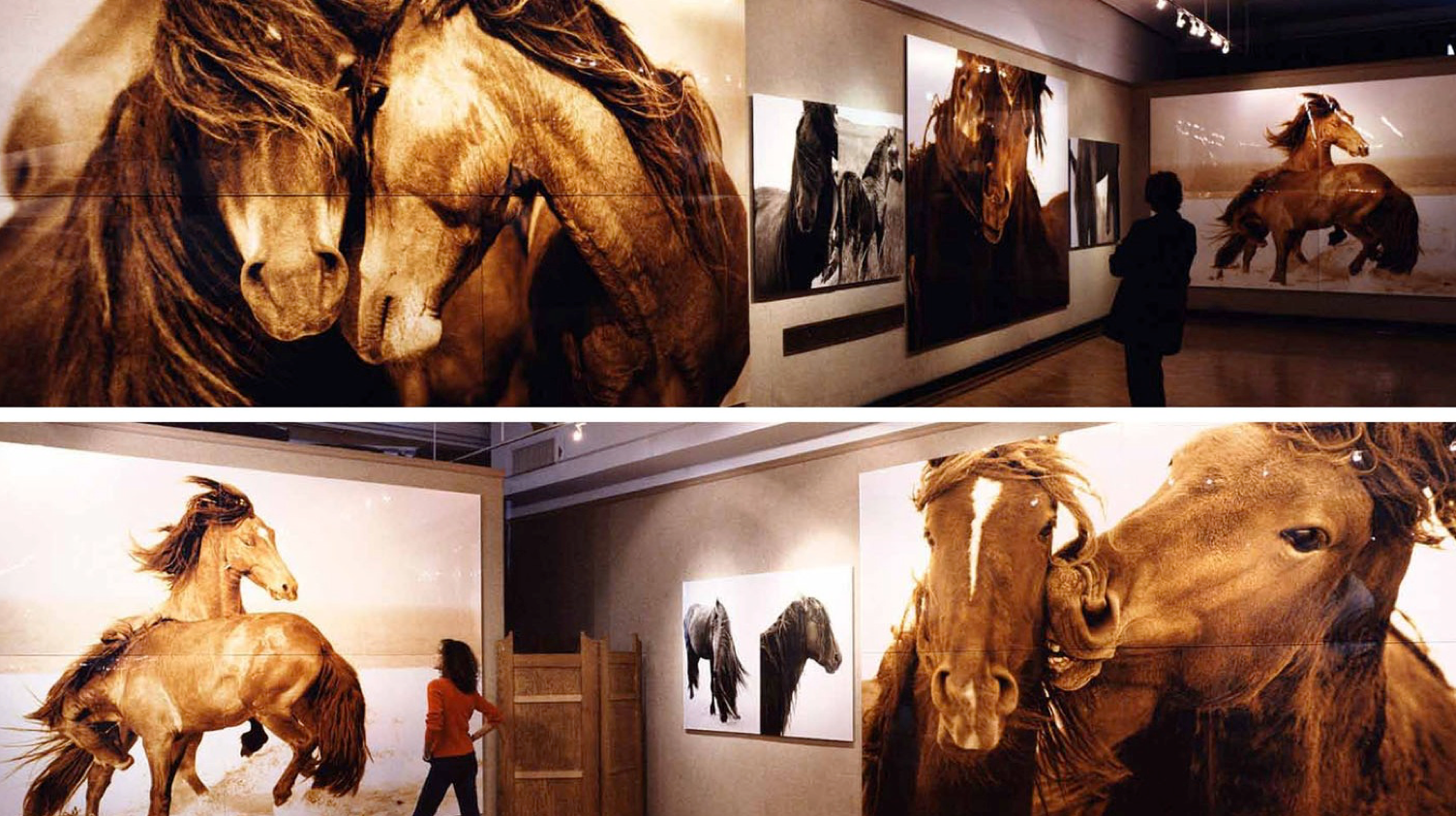
Credit: www.dutescoart.com
Stories Behind The Photos
The Wild Horses of Sable Island Gallery offers more than just beautiful images. Each photo tells a story. These stories reveal the lives and spirit of the horses. They show moments of strength, calm, and survival. The gallery captures scenes that connect us to nature’s raw beauty.
Behind every picture lies a unique tale. These tales make the photos come alive. They help us understand the horses better. They also show the challenges these animals face on the island.
Individual Horse Tales
Each horse has a name and a history. Some have survived harsh winters alone. Others lead small family groups. Photographers have captured their moods and movements. These images tell about the horses’ personalities. They show courage and gentle care within the herd. Viewers meet horses that are playful or protective. The stories make the horses real, not just pictures.
Encounters With Nature
Photos display the horses in wild, natural settings. You see them running through sand dunes and grassy plains. Some images show interactions with other animals. Storms and sunsets create dramatic backdrops. These encounters reveal how horses live with the island’s weather and wildlife. The photos share moments of peace and struggle in nature.
Conservation Efforts Highlighted
The gallery also shows work to protect Sable Island’s horses. Images document scientists studying the herd. They track the horses’ health and numbers. Photographers capture efforts to keep the island safe. The photos raise awareness about conservation needs. They inspire respect and care for these wild animals.
Visiting Sable Island
Sable Island is a unique place. It is famous for its wild horses and beautiful sandy landscape. Visiting the island offers a rare chance to see nature in a pure form. The island is protected, so visitors must follow special rules. Understanding how to visit helps you enjoy the trip safely and respectfully.
Access And Regulations
Sable Island is remote and hard to reach. Visitors usually travel by small plane or boat. Only a few trips are allowed each year. The island is protected by Parks Canada. Visitors must follow strict rules to protect wildlife and plants. No camping or fires are allowed. Stay on marked paths to avoid damage. Respect the horses and keep a safe distance. Visitors need a permit before arrival.
Best Times To Visit
The best time to visit Sable Island is in summer. From June to September, weather is mild and days are long. Spring and fall can be windy and cold. Winter trips are rare due to rough seas and snow. Summer is perfect for wildlife watching and photography. Plan your visit during these months for a better experience.
What To Expect
Sable Island is quiet and wild. Expect sandy beaches, dunes, and grassy areas. The wild horses roam freely and may appear close. You will see many seabirds and seals. Facilities are very limited. Bring food, water, and supplies. There are no shops or restaurants. Be ready for basic conditions and changing weather. The island offers peace and natural beauty. It is an unforgettable place for nature lovers.

Credit: wildhorsesofsableisland.com
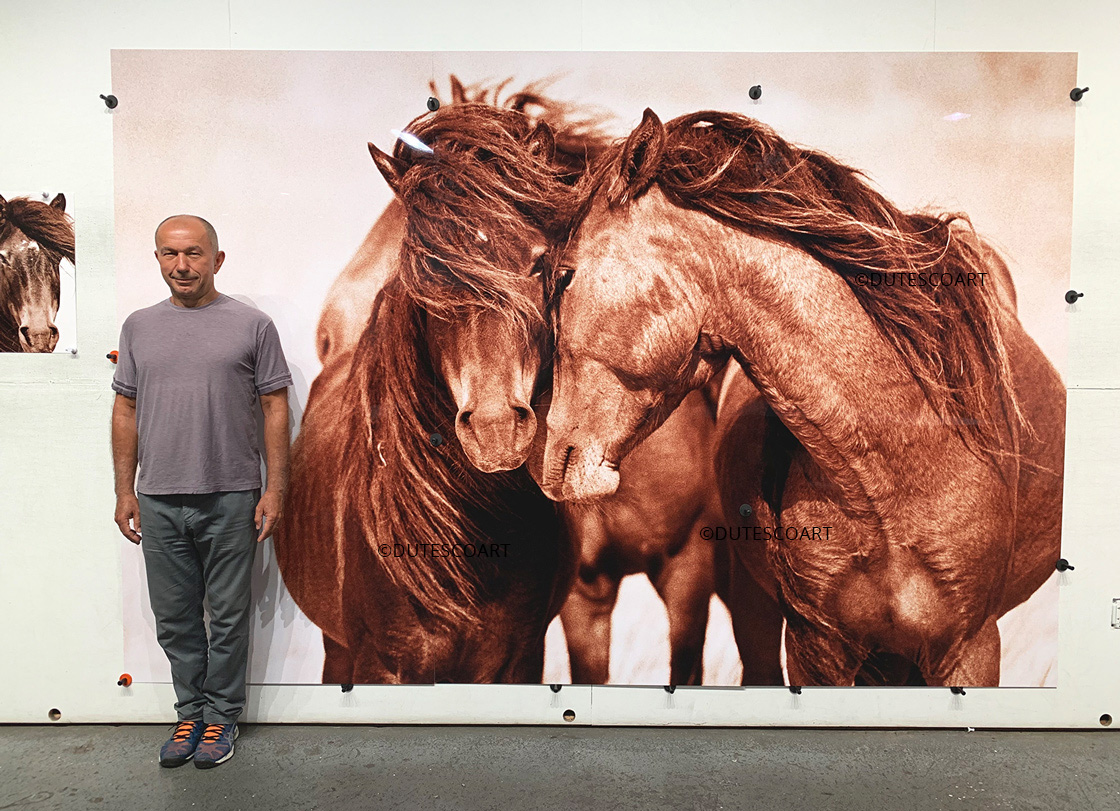
Credit: dutescoart.com
Frequently Asked Questions
What Makes Sable Island Horses Unique?
Sable Island horses are wild, small, and strong. They live freely on a remote island in Canada.
How Do Wild Horses Survive On Sable Island?
They eat grass, drink rainwater, and adapt to harsh weather without human help.
Can Visitors See The Horses On Sable Island?
Yes, visitors can see them, but access is limited to protect the horses and their habitat.
Why Are Sable Island Horses Important To Nature?
They help keep the island’s ecosystem balanced by grazing and spreading plant seeds.
How Old Are The Horses On Sable Island?
The horses are descendants of 18th-century horses, living wild for over 200 years.
What Efforts Protect Sable Island Horses Today?
The island is a protected national park with rules to keep horses safe and wild.
Conclusion
The wild horses of Sable Island live free and strong. Their beauty and spirit draw many to learn and admire. Visiting the island feels like stepping into a different world. These horses remind us of nature’s power and grace. Preserving their home keeps their story alive for future generations.
Seeing them inspires respect and wonder for wildlife everywhere. Sable Island’s wild horses will always hold a special place in our hearts.
As an Amazon Associate, I earn from qualifying purchases.