If you care about your horse’s comfort and safety, you’ve probably heard about tripping collars. But what exactly are they, and how can they make a difference for you and your horse?
Choosing the right gear isn’t always easy, especially when it comes to something as important as a collar that affects your horse’s movement. You’ll discover why a tripping collar might be the game-changer you’ve been looking for. Keep reading, and you’ll learn how it works, why it matters, and how to pick the best one for your horse’s needs.
Your horse deserves the best, and understanding this simple tool could improve every ride.

Credit: www.mosquitocreekhorses.com
Purpose Of Tripping Collars
The purpose of tripping collars for horses is to guide their movements during training. These collars help riders control the horse’s speed and direction. They work by applying gentle pressure to the horse’s neck. This pressure encourages the horse to lift its feet in a specific way. Tripping collars support building good habits in horses. They make training smoother and clearer for both horse and rider.
Training Benefits
Tripping collars teach horses to pick up their feet higher. This helps avoid stumbling and improves balance. Horses learn to respond faster to commands. The collar aids in developing better rhythm and pace. It builds confidence in young or inexperienced horses. Trainers use it to correct quick stops or slow starts. The collar encourages smooth, controlled movements. Training becomes safer and more effective with its use.
Safety Considerations
Using a tripping collar requires care and attention. The collar should never cause pain or discomfort. Always check the fit before training sessions. A collar that is too tight can harm the horse. Too loose and it may not work properly. Monitor the horse’s reactions for signs of stress. Stop using the collar if the horse shows discomfort. Proper use ensures safe training and a trusting bond.
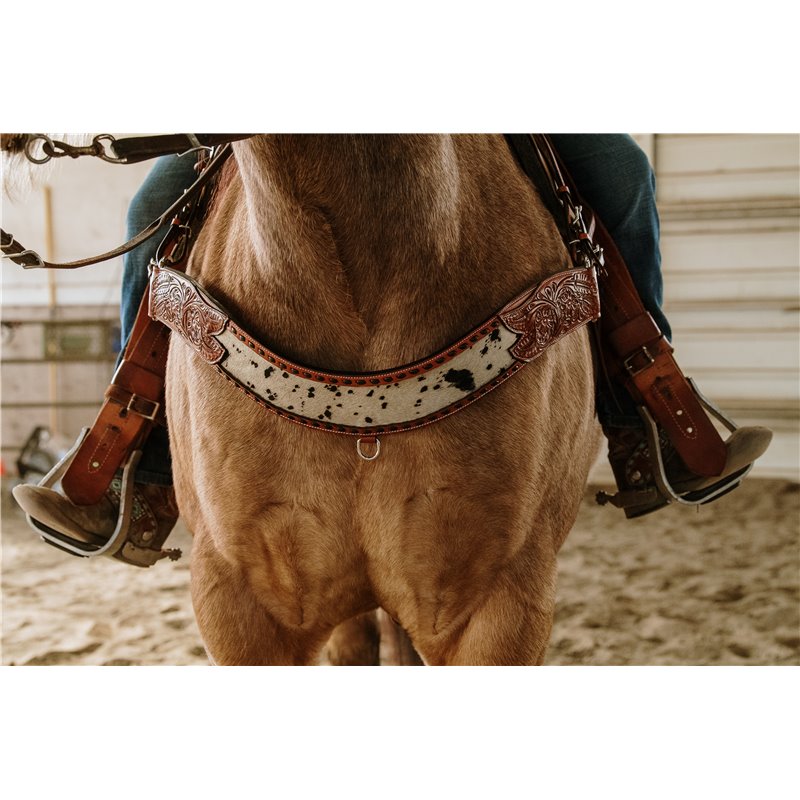
Credit: shopwesternoutfitters.com
Types Of Tripping Collars
Tripping collars for horses come in several types to suit different needs and preferences. Each type offers unique features that affect comfort and control. Understanding these types helps in choosing the right collar for your horse.
Material Variations
Tripping collars are made from various materials. Leather is popular for its durability and classic look. It is strong and lasts long with proper care. Nylon collars are lightweight and easy to clean. They dry quickly and resist wear from outdoor use. Some collars combine materials to balance strength and comfort. Soft padding often lines the inside to protect the horse’s skin. Choosing the right material depends on your horse’s activity and skin sensitivity.
Design Differences
Designs of tripping collars vary to meet different training or riding needs. Some collars have simple, flat straps for basic control. Others feature padded sections for extra comfort. Adjustable buckles help fit the collar perfectly around the horse’s neck. Certain designs include extra rings or clips for attaching leads or reins. Some collars have reflective strips for better visibility at night. The design affects how the collar works and how comfortable it feels for the horse.
Choosing The Right Collar
Choosing the right tripping collar for your horse is important. It affects comfort and control during training. The collar must fit well and suit your horse’s personality. Picking the wrong collar can cause discomfort or stress. This guide helps you find the best collar for your horse.
Size And Fit
The collar must fit snugly but not tight. Measure your horse’s neck carefully before buying. A collar too small can cause chafing or injury. Too loose, and it may slip or not work properly. Look for adjustable collars for a better fit. Check the collar’s width and padding for comfort. A well-fitting collar helps your horse feel secure and calm.
Horse Temperament
Consider your horse’s behavior and training level. Some horses are calm and easy to handle. Others are nervous or strong-willed. Choose a collar that matches your horse’s temperament. Softer materials suit sensitive horses. Stronger, more durable collars suit active or stubborn horses. The right collar helps training go smoothly and safely.
Proper Usage Techniques
Using a tripping collar correctly helps keep your horse safe and comfortable. It also makes training more effective. Understanding how to fit and apply pressure is key. Careful handling prevents injury and stress.
Fitting The Collar
Place the collar around the horse’s neck. It should sit snugly but not tight. Leave enough space for two fingers between collar and skin. Check that it rests low on the neck, not too high. Adjust straps to avoid slipping or pinching. A well-fitted collar moves with the horse’s natural motion.
Applying Pressure Safely
Use gentle pressure to guide the horse. Avoid sudden or hard pulls. Pressure should increase slowly and release quickly. Watch the horse’s reactions closely. Stop if the horse shows signs of pain or fear. Consistent, calm pressure teaches the horse without harm.
Common Mistakes To Avoid
Using a tripping collar for horses needs care and attention. Many beginners make mistakes that can harm the horse or reduce the collar’s effectiveness. Avoiding these errors ensures safety and comfort for your horse. Here are two common mistakes to watch out for.
Overuse Risks
Using a tripping collar too often causes discomfort. Horses may develop sores or skin irritation. Overuse can also make the horse nervous or resistant. Always give breaks and check the horse’s skin regularly. Use the collar only as needed for training or control.
Incorrect Positioning
Placing the collar in the wrong spot reduces its function. Too high or too low can cause the collar to slip or hurt the horse. The collar should sit comfortably around the neck, not too tight or loose. Proper positioning helps control the horse gently and safely.
Alternatives To Tripping Collars
Tripping collars have been used in horse training for specific purposes. Some trainers seek other ways to teach horses without using these collars. Alternatives can offer gentler or different approaches. These methods focus on safety and respect for the horse.
Other Training Tools
Several tools can replace tripping collars in horse training. Side reins help control head movement gently. A surcingle provides a way to attach reins without pressure on the head. Long lines allow trainers to guide horses from a distance. These tools work with the horse’s natural balance.
Using these tools requires patience and skill. They improve communication between horse and trainer. Trainers can adjust the pressure to keep the horse comfortable. These alternatives reduce risk of injury and stress.
Natural Training Methods
Natural methods focus on building trust and respect. Trainers use body language and voice commands. Reward-based training encourages good behavior without force. Horses learn through repetition and consistency.
Natural horsemanship promotes a strong bond between horse and trainer. It avoids harsh equipment and techniques. This method helps horses become calm and willing. Trainers observe horses closely to understand their needs.
Maintenance And Care
Proper maintenance and care keep your horse’s tripping collar safe and durable. Regular attention helps avoid damage and discomfort to your horse. Clean and store the collar correctly to extend its life.
Cleaning Tips
Remove dirt and sweat from the collar after each use. Use a soft brush or cloth for gentle cleaning. Mild soap and water work well for most materials. Avoid harsh chemicals that can damage the collar. Rinse thoroughly to remove soap residue. Let the collar air dry in a shaded area. Do not use direct heat or sunlight to dry it. Check metal parts for rust and clean with a suitable product. Dry leather collars with a conditioner to keep them soft.
Storage Recommendations
Store the tripping collar in a cool, dry place. Avoid damp areas that cause mold or mildew. Hang the collar to keep its shape intact. Keep it away from sharp objects that may cause tears. Protect leather collars with a breathable cover. Store collars separately to prevent tangling or damage. Regularly inspect the collar before use. Replace any worn or broken parts promptly for safety.

Credit: hotheadstalls.com
Frequently Asked Questions
What Is A Tripping Collar For Horses?
A tripping collar helps control a horse’s movement during training or walking.
How Does A Tripping Collar Work On A Horse?
It gently restricts the horse’s head to guide and slow down its pace.
Why Use A Tripping Collar Instead Of A Regular Halter?
It offers better control and safety by limiting sudden horse movements.
Can Tripping Collars Prevent Horse Injuries?
Yes, they reduce the risk by managing a horse’s speed and direction.
How To Fit A Tripping Collar Correctly On A Horse?
Place it snugly around the neck without tightness, allowing comfortable movement.
Are Tripping Collars Safe For All Horse Breeds?
They are generally safe when used properly, regardless of breed or size.
Conclusion
A tripping collar helps control horses safely and gently. It guides the horse without causing harm or stress. Using the collar correctly improves training and riding experiences. Always check the fit and condition before use. Patience and care make a big difference in results.
This simple tool supports better communication between horse and rider. Choose quality collars to ensure comfort and safety. Remember, every horse reacts in its own way. Practice regularly and watch your horse respond well. Safe riding starts with the right equipment and approach.
As an Amazon Associate, I earn from qualifying purchases.