If you own a horse or spend time around them, you’ve probably heard about the tripping collar horse. But what exactly is it, and why should you care?
Understanding this simple yet powerful tool can make a big difference in how you train and handle your horse. You’ll discover how a tripping collar works, why it might be the missing piece in your training routine, and how it can help you build a stronger, safer connection with your horse.
Keep reading to unlock the secrets that could transform your horse’s behavior—and your experience with them.

Credit: tacknmore.com
Choosing The Right Tripping Collar
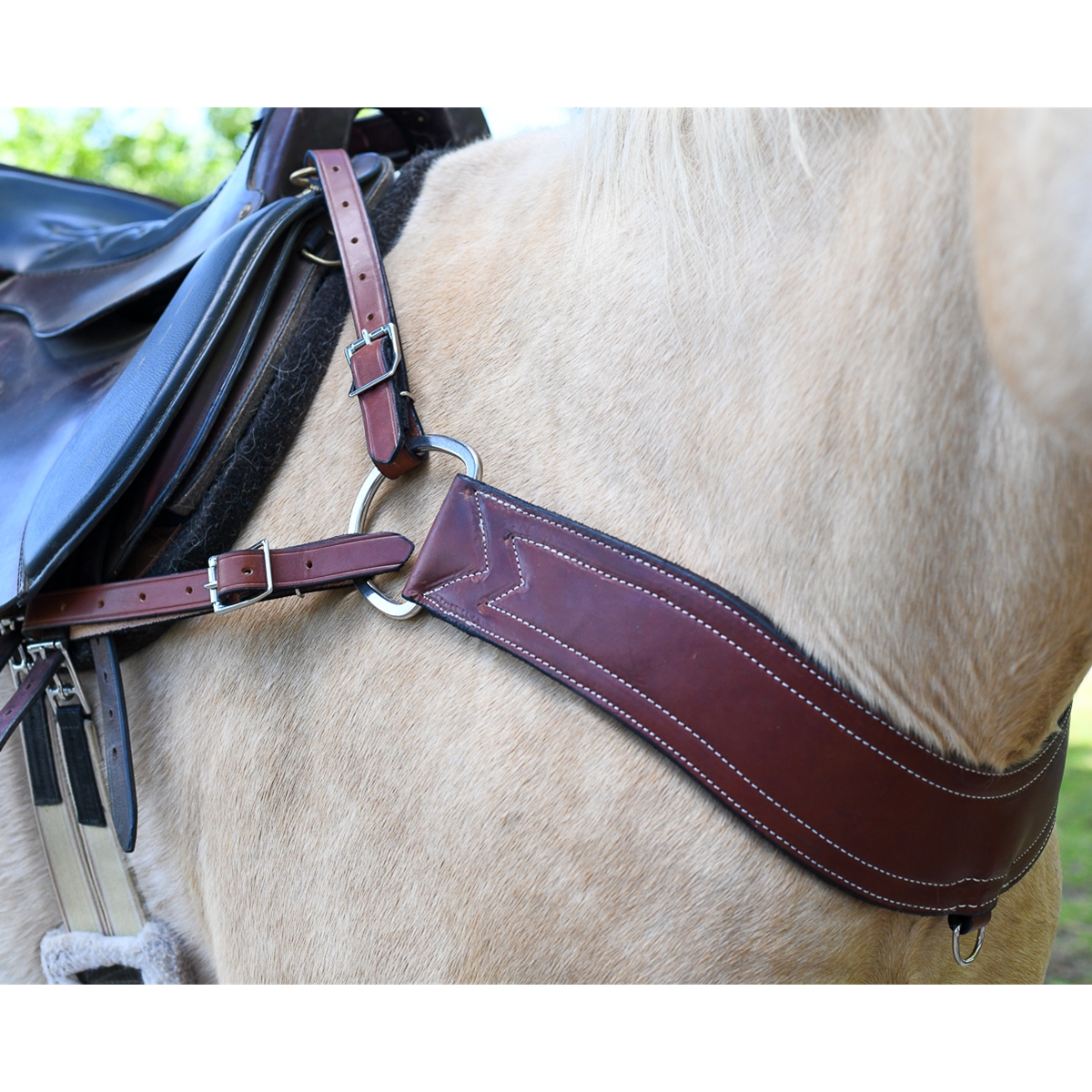
Choosing the right tripping collar for your horse is important for comfort and control. A good collar fits well, lasts long, and keeps your horse safe. Knowing what to consider helps you pick the best one.
Material Types And Durability
Tripping collars come in leather, nylon, and synthetic materials. Leather collars are strong and last long with care. Nylon collars dry quickly and resist wear. Synthetic collars balance strength and light weight. Choose a material that fits your horse’s daily activities and weather conditions.
Size And Fit Considerations
Proper size is key for comfort and effectiveness. Measure your horse’s neck before buying. The collar should be snug but not tight. Too loose can slip, and too tight can hurt. Adjustable collars help fit different horses better.
Safety Features To Look For
Look for collars with quick-release buckles. They help in emergencies to remove the collar fast. Padding reduces chafing and skin irritation. Reflective strips add visibility in low light. These features protect your horse and make handling easier.
Preparing Your Horse For Training
Preparing your horse for training with a tripping collar is a crucial step. It helps your horse feel safe and ready. This process takes time and patience. A calm and trusting horse learns faster. Start slow and keep sessions short.
Focus on creating a positive experience. Your horse should accept the collar without fear. Comfort and trust build the foundation for success. Use gentle handling and clear signals. Let your horse explore the collar at its own pace.
Building Trust And Comfort
Spend time near your horse every day. Talk softly and offer treats. Let your horse touch and smell the collar. Avoid sudden movements or loud noises. Always praise calm behavior. Trust grows from kind, steady actions.
Basic Groundwork Exercises
Teach simple commands like walk, stop, and turn. Use a halter before the collar. Practice leading and standing still. Reward your horse for paying attention. Clear signals reduce confusion. Groundwork builds respect and focus.
Introducing The Collar Gradually
Place the collar near your horse first. Let it sniff and nudge the collar. Next, gently fit the collar without tightening. Watch your horse’s reactions closely. Remove the collar if your horse shows stress. Increase wearing time slowly over days.
Safe Training Techniques
Training a horse with a tripping collar requires care and attention. Safety is the top priority for both the horse and trainer. Using safe methods helps build trust and reduces stress. These techniques protect the horse from injury and make training more effective.
Proper Collar Adjustment
The collar must fit the horse well. It should be snug but not too tight. A loose collar can slip and cause accidents. A tight collar can hurt the horse’s neck. Check the fit often during training sessions. Adjust the collar as the horse moves and grows. A well-fitted collar supports better control and comfort.
Using Positive Reinforcement
Reward good behavior with treats or praise. Positive reinforcement encourages the horse to repeat actions. It builds a strong bond between horse and trainer. Avoid using harsh methods that scare or hurt the horse. Calm and gentle training helps the horse learn faster. Keep training sessions short and fun to hold attention.
Avoiding Common Mistakes
Do not pull the collar too hard. Sudden jerks can cause pain and fear. Avoid leaving the collar on too long without breaks. Overuse can cause chafing or soreness. Never use a damaged or worn collar. Replace it if it shows signs of wear. Watch the horse closely for signs of discomfort or distress.
Monitoring Your Horse’s Response
Monitoring your horse’s response during training with a tripping collar is very important. It helps ensure your horse stays safe and learns effectively. Watching your horse closely allows you to see how it feels and reacts. This way, you can make quick changes to your approach. Careful observation builds trust and improves training results.
Recognizing Signs Of Discomfort
Look for signs like head tossing, tail swishing, or pinned ears. These may show your horse is unhappy or in pain. Heavy breathing or sweating can also mean stress. Pay attention if your horse tries to avoid the collar or stops moving. Early signs help you act before problems grow.
Adjusting Training Based On Feedback
Change your methods if your horse shows discomfort. Use gentler pressure or shorter sessions. Slow down the training pace to match your horse’s needs. Positive responses mean you are on the right track. Keep training clear and calm to help your horse learn better.
When To Pause Or Stop Training
Stop training if your horse shows strong fear or pain. Signs include trembling, refusing commands, or sudden aggression. Take breaks to let your horse rest and relax. Restart only after your horse feels calm and ready. Safety is always the top priority in training.
Maintaining Your Tripping Collar
Maintaining your tripping collar is key to keeping your horse safe and comfortable. Regular care helps the collar last longer and work better. Neglect can cause damage and risk injury. Follow simple steps to clean, inspect, and replace parts as needed. Proper maintenance ensures the collar fits well and functions properly every time.
Cleaning And Storage Tips
Clean the collar after every use. Use mild soap and warm water to remove dirt and sweat. Avoid harsh chemicals that can damage the material. Let the collar dry completely before storing it. Store the collar in a cool, dry place away from sunlight. Keep it flat or hanging to avoid bending or warping.
Regular Inspections For Wear
Check your collar regularly for signs of wear. Look for cracks, frayed straps, or weak stitching. Inspect metal parts for rust or bending. Pay close attention to areas that touch the horse’s skin. Replace the collar immediately if you find any damage that could cause harm.
Replacing Parts Safely
Use only parts designed for your tripping collar model. Follow the manufacturer’s instructions carefully. Do not force parts that do not fit properly. Tighten screws and buckles firmly but avoid over-tightening. Test the collar after replacement to ensure safety and comfort for your horse.
Credit: www.twohorsetack.com

Credit: www.mosquitocreekhorses.com
Frequently Asked Questions
What Is A Tripping Collar For Horses?
A tripping collar helps control a horse’s movements safely during training or riding.
How Does A Tripping Collar Work On Horses?
It applies gentle pressure to guide the horse’s head and body direction.
When Should You Use A Tripping Collar On A Horse?
Use it during training or when extra control is needed for safety.
Can Tripping Collars Harm Horses?
Proper use causes no harm; misuse or too much pressure can hurt the horse.
Are Tripping Collars Suitable For All Horse Breeds?
Yes, but always check the fit and adjust based on the horse’s size.
How To Choose The Right Tripping Collar Size?
Measure the horse’s neck and consult product guidelines for the best fit.
Conclusion
A tripping collar helps control and guide your horse safely. It fits comfortably around the neck without causing harm. Using it correctly can improve your horse’s training and behavior. Always choose the right size and material for your horse. Practice patience and gentle handling for best results.
This simple tool supports better riding and handling experiences. Keep your horse’s comfort and safety as top priorities. A well-used tripping collar makes horse care easier and more effective.
As an Amazon Associate, I earn from qualifying purchases.