Have you ever noticed the hair along your dog’s neck suddenly standing up? Those raised hairs are called hackles, and they can tell you a lot about how your dog is feeling.
Understanding what hackles on a dog mean can help you respond better to your furry friend’s emotions and keep both of you safe and happy. Keep reading to discover why hackles rise, what they signal, and how you can use this knowledge to strengthen your bond with your dog.
Hackles Explained
Hackles on dogs are a curious and visible part of their body language. These hairs can tell you a lot about how your dog feels. Understanding hackles helps you read your dog’s emotions better.
Many dog owners notice hackles but do not know what they are or why they rise. This guide breaks down the basics about hackles in simple terms.
What Are Hackles
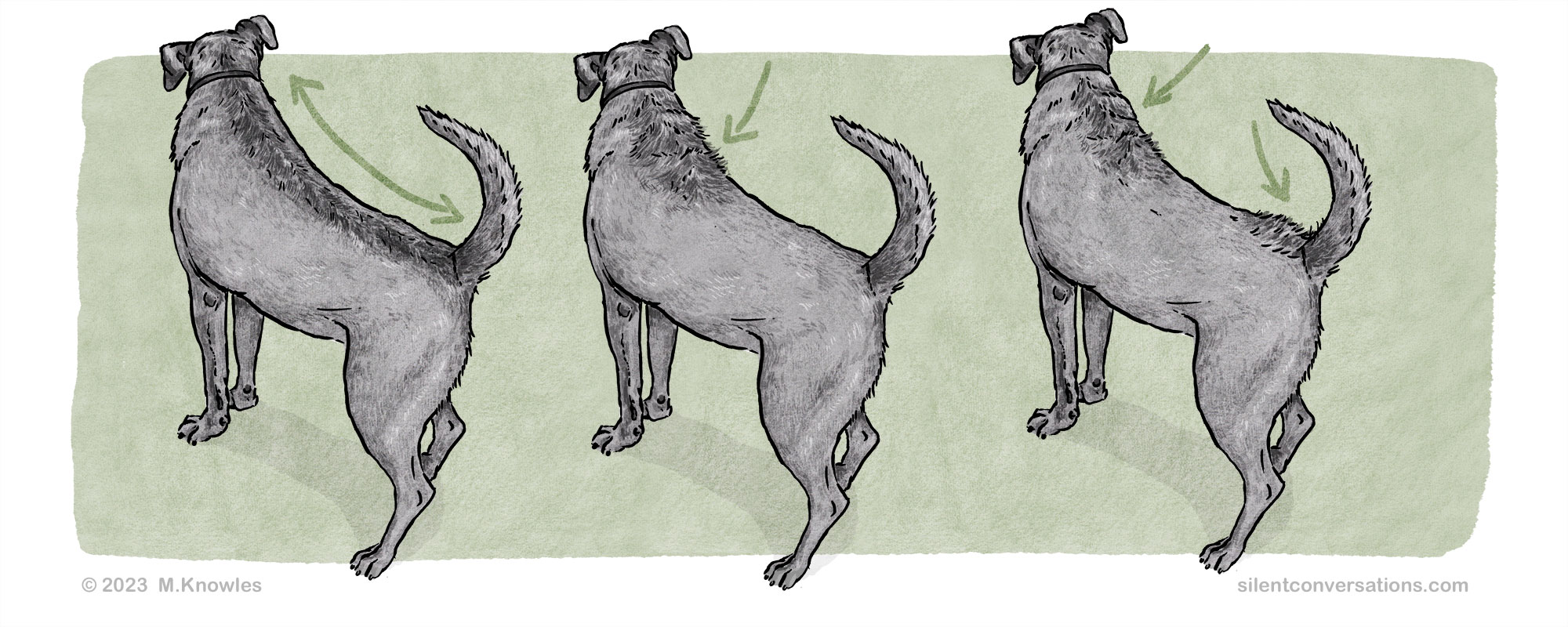
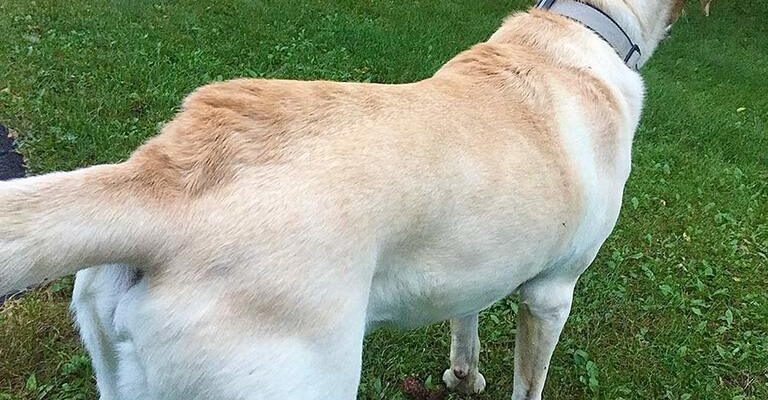
Hackles are the long hairs along a dog’s back and neck. They stand up when the dog feels alert or stressed. This reaction is called piloerection.
Hackles are not just random hairs. They are part of a dog’s natural response system.
Location On A Dog
Hackles run from the back of the dog’s head down to its tail. They are easiest to see on the neck and upper back.
The hairs lie flat when the dog is calm. They rise when the dog feels strong emotions.
Purpose Of Hackles
Hackles help dogs communicate with others. Raised hackles show fear, excitement, or aggression. It signals the dog’s mood without barking or growling.
In the wild, raised hackles make the dog look bigger and more threatening. This can scare off enemies or rivals.
Hackles also help dogs sense danger. They alert the dog to be ready for action.

Credit: hart2heartcanine.com
Hackles And Dog Behavior
Hackles are the hairs along a dog’s back and neck. These hairs stand up in certain moments. This reaction is a natural way dogs show how they feel. Understanding hackles helps you know your dog’s mood better. It can reveal feelings like fear, excitement, or alertness.
Common Triggers
Many things can raise a dog’s hackles. Strange sounds or sights often cause this. Meeting new dogs or people can also trigger it. Sometimes, a sudden movement or a strong smell will do it. These triggers make a dog feel unsure or alert.
Emotional Signals
Hackles tell a story about a dog’s emotions. Raised hackles usually mean the dog feels tense. It can show fear, anger, or excitement. Sometimes, it means the dog is ready to protect. This signal helps other dogs and people understand the dog’s mood.
Reading Your Dog’s Mood
Watching hackles helps you read your dog’s mood. If hackles rise, pause and watch closely. Look for other signs like growling or tail position. Calm your dog with soft words and slow movements. Learning these signs builds trust and keeps your dog safe.
Breed Variations
Hackles on dogs vary widely across breeds. These variations depend on the breed’s genetics and typical behaviors. Some breeds show hackles more clearly than others. Understanding these differences helps owners read their dogs better. It also helps with training and safety.
Dogs With Prominent Hackles
Some breeds have very visible hackles. German Shepherds and Dobermans often show raised hackles. These dogs use hackles to signal alertness or protectiveness. Huskies and Malamutes also have thick fur along their backs that stands up easily. This feature can make these dogs look bigger and tougher. It is part of their natural defense.
Breed-specific Behaviors
Different breeds raise hackles for different reasons. Guard dogs use hackles to warn intruders or threats. Herding breeds like Border Collies may raise hackles when focused or excited. Some small breeds show hackles when scared or nervous. Each breed’s behavior adds meaning to the hackle’s rise. Observing these signs helps owners understand their dog’s feelings and intentions.
When Hackles Rise
Hackles rising is a clear sign that a dog feels strong emotions. This reaction happens when the hair along a dog’s back stands up. It is a way dogs show their feelings without words. Understanding why hackles rise helps owners respond properly and keep dogs calm.
Different situations can cause this reaction. Sometimes it means fear, sometimes excitement. Knowing the difference is important for your dog’s safety and comfort.
Fear And Anxiety
Dogs often raise their hackles when they feel scared or nervous. This is a natural reaction to protect themselves. Raised hackles make the dog look bigger to threats. It is a warning sign that the dog feels uneasy or threatened.
Recognizing this helps owners stay calm and avoid making the dog more anxious. Giving space and speaking softly can help a fearful dog relax.
Aggression Signs
Raised hackles can also signal aggression. The dog may feel the need to defend itself or its territory. This behavior warns others to keep their distance. It is a sign not to approach the dog suddenly.
Watching other body language, like growling or stiff posture, confirms aggression. Being cautious prevents possible bites or fights.
Excitement And Playfulness
Sometimes hackles rise during happy moments. Dogs show excitement when they see a friend or play toy. Raised hackles can mean the dog is eager to play.
This is a positive sign that the dog feels joyful and energetic. Owners should watch the dog’s overall mood to enjoy safe, fun playtime.
Caring For Dogs With Raised Hackles
Caring for dogs with raised hackles requires patience and attention. Raised hackles show your dog feels stressed or alert. Understanding this helps you respond calmly and keep your dog comfortable.
Dogs with raised hackles need gentle handling to prevent fear or aggression. Recognizing their signals can avoid unwanted conflicts and build trust.
Handling Stressful Situations
Stay calm when your dog’s hackles rise. Avoid sudden moves or loud noises. Speak softly and give your dog space to relax. Watch for other signs of stress, like growling or stiff posture. Remove your dog from the situation if possible.
Training Tips
Use positive reinforcement to encourage calm behavior. Reward your dog with treats or praise during quiet moments. Practice commands like “sit” and “stay” to focus your dog’s attention. Train in short sessions to keep your dog engaged. Avoid punishment, which can raise stress levels.
Ensuring Safety
Keep your dog on a leash in public places. Use a secure collar or harness to prevent escapes. Inform others about your dog’s needs and signals. Create a safe space at home where your dog can retreat. Monitor interactions with other pets and people closely.
Credit: www.silentconversations.com
Common Misconceptions
Many people misunderstand what hackles on a dog really mean. This confusion can cause worry or fear when seeing a dog’s fur stand up. Knowing the truth helps us read dogs better and respond kindly. Here are some common mistakes about hackles.
Hackles Mean Aggression?
People often think raised hackles always show a dog is angry or ready to fight. That is not true. Hackles rise for many reasons. Sometimes dogs feel scared or excited. It can also happen when they are curious or alert. Raised hackles only mean the dog feels strong emotion. It is not a clear sign of aggression.
Differentiating Signals
Understanding what hackles mean needs looking at the whole dog’s body. Watch the dog’s face, tail, and posture. A wagging tail and relaxed body show the dog is happy, even with raised hackles. Stiff body and growling mean the dog feels threatened. Hackles are just one part of the dog’s language. Combining all signals helps us know the dog’s true feeling.
Credit: www.hshv.org
Frequently Asked Questions
What Are Hackles On A Dog?
Hackles are the hairs along a dog’s neck and back that stand up when the dog feels excited or scared.
Why Do Dogs Raise Their Hackles?
Dogs raise their hackles to show alertness, fear, or to warn others they feel threatened.
Do All Dogs Have Hackles?
Most dogs have hackles, but how visible they are depends on the dog’s breed and fur type.
Can Hackles Mean A Dog Is Aggressive?
Raised hackles do not always mean aggression; they can show fear, excitement, or curiosity too.
How Can You Tell If Hackles Mean Aggression?
Look at the dog’s body language along with hackles, like growling or stiff posture, to know aggression.
Should You Be Worried If A Dog Raises Its Hackles?
Raised hackles mean the dog is alert or uneasy; stay calm and watch the dog’s other signals.
Conclusion
Hackles on a dog show how they feel inside. Raised hackles often mean your dog feels scared or alert. Watching your dog’s hackles helps you understand their mood. It can keep you safe and build trust with your pet. Every dog is different, so pay close attention to their signals.
Knowing about hackles makes you a better dog friend. Stay calm and observe, and your bond will grow stronger.
As an Amazon Associate, I earn from qualifying purchases.