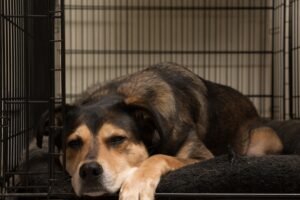
Have you ever noticed your dog acting uneasy or even snapping when kids come near? It can be confusing and worrying, especially if you want everyone to get along.
Understanding what your dog does when it feels unfriendly toward children is key to keeping both your pet and the little ones safe. You’ll discover the signs your dog shows, why these behaviors happen, and what you can do to help.
Keep reading to learn how to protect your family and build a better bond between your dog and the kids around you.
Credit: www.teepublic.com
Signs Of Dog Discomfort
Dogs show discomfort in many ways, especially around children. Understanding these signs helps keep both kids and dogs safe. Signs of dog discomfort are often subtle but clear if you watch closely.
Body Language Signals
A dog’s body tells a lot about its feelings. Look for stiff legs and a rigid posture. The dog may lower its body or tuck its tail between its legs. Ears might be pinned back or flat against the head. Watch for yawning or lip licking, which show stress. Avoid direct eye contact, as this can mean fear or discomfort.
Vocal Cues
Dogs use sounds to express their feelings. Growling is a clear warning sign. A dog may also whine or whimper to show unease. Barking can mean the dog feels threatened. Sometimes, a dog will make low, quiet noises, signaling it wants space. Pay attention to sudden changes in the dog’s usual sounds.
Avoidance Behaviors
Many dogs try to avoid uncomfortable situations. They may turn their head away from the child. Walking or backing away is a common sign. Some dogs hide behind furniture or people. Refusing treats or toys can also show discomfort. These actions mean the dog needs time and distance to feel safe.

Credit: www.amazon.com
Common Triggers Around Kids
Dogs can feel uneasy around children for many reasons. Some triggers make dogs act unfriendly. Knowing these helps keep both safe and happy.
Loud Noises And Sudden Movements
Kids often make loud noises and move quickly. Dogs may find this scary or annoying. Sudden sounds or fast actions can startle a dog. The dog might growl or bark to warn the child. It is a way to say, “I feel unsafe.”
Unpredictable Touch
Children sometimes touch dogs without warning. Dogs do not like being grabbed or petted too hard. Surprising touches can make a dog nervous. The dog may snap or pull away to protect itself. Teaching gentle petting can help calm the dog.
Personal Space Invasion
Dogs need their own space to feel safe. Kids may stand too close or crowd a dog. This invasion makes some dogs uncomfortable. The dog may move away or show signs of stress. Respecting a dog’s space is important for peace.
Potential Risks Of Ignoring Warning Signs
Ignoring warning signs from a dog that is unfriendly to kids can lead to serious problems. These signs are the dog’s way of saying it feels uncomfortable or scared. Overlooking these signals puts both the dog and children at risk. Understanding the potential dangers helps keep everyone safe and happy.
Escalation To Aggression
When warning signs go unnoticed, a dog’s behavior can worsen. Small growls or snaps might turn into full bites. The dog feels trapped and may attack to protect itself. This escalation is dangerous for children who may not understand the dog’s feelings.
Stress And Anxiety In Dogs
Ignoring signs stresses the dog more. Stress builds up inside the dog’s body. An anxious dog may hide, bark, or act unpredictably. Constant stress lowers the dog’s quality of life. It can cause health problems over time.
Safety Concerns For Children
Children often do not recognize a dog’s warning signals. They may approach the dog too closely or touch it in the wrong way. This can lead to sudden bites or scratches. Protecting children means watching for these signs carefully. Teaching kids to respect a dog’s space is key.
Preventive Measures For Safe Interaction
Dogs can act unfriendly toward kids for many reasons. Fear, stress, or past bad experiences cause this behavior. Preventive measures help keep both dogs and children safe. Teaching kids the right way to behave around dogs is essential. Training dogs to be calm and social also helps. Always watch interactions closely to stop problems early.
Teaching Kids Proper Behavior
Kids must learn to treat dogs gently. They should not pull ears or tails. Running or yelling near dogs can scare them. Teach kids to ask permission before petting a dog. Show them how to pet dogs softly. Explain that dogs need space to feel safe. Kids should never disturb a dog eating or sleeping.
Training And Socialization For Dogs
Dogs need training to behave well around children. Basic commands like “sit” and “stay” help control dogs. Socializing dogs with different people and animals reduces fear. Gradual exposure to children teaches dogs to stay calm. Reward calm behavior with treats and praise. Avoid forcing dogs into uncomfortable situations. Consistent training builds trust and good manners.
Supervised Meetings
Always watch dogs and kids during their time together. Adults can stop bad behavior quickly. Keep meetings short at first to prevent stress. Use leashes or barriers if needed. Watch the dog’s body language for signs of discomfort. Step in if a dog growls or moves away. Supervised meetings create a safe, friendly environment for all.
When To Seek Professional Help
Dogs that act unfriendly toward kids need careful attention. This behavior can cause stress for both children and adults. Knowing when to get expert help is important. Professionals can find the cause and offer safe solutions. Early action helps prevent problems from getting worse.
Behavioral Consultation
A behavioral expert studies the dog’s actions and environment. They watch how the dog reacts to children. They find triggers that cause fear or aggression. The expert gives advice to improve the dog’s behavior safely. This step is often the first to try.
Training Programs
Training teaches dogs to behave well around kids. Trainers use clear, simple commands and rewards. They help dogs learn to stay calm and friendly. Training also guides owners on handling the dog properly. This builds trust between the dog and children.
Medical Evaluation
Sometimes, health issues cause bad behavior in dogs. Pain or illness can make dogs irritable or scared. A vet checks for medical problems that affect mood. Treating health issues can improve the dog’s attitude. Always rule out health before blaming behavior alone.
Credit: diary-of-a-wimpy-kid.fandom.com
Frequently Asked Questions
Why Do Some Dogs Act Unfriendly Toward Kids?
Dogs may feel scared or unsure around children due to noise or sudden movements.
How Does A Dog Show Dislike For Children?
Signs include growling, barking, avoiding, or stiff body posture near kids.
Can An Unfriendly Dog Become Comfortable With Kids?
Yes, with slow, calm introductions and positive experiences, trust can grow.
What Should Parents Do If A Dog Dislikes Their Child?
Keep the dog and child apart until safe, then try gentle, supervised meetings.
Is It Safe For Kids To Approach An Unfriendly Dog?
No, kids should not approach dogs that show warning signs like growling or stiffening.
How Can Dogs Be Trained To Be Friendlier To Children?
Training with treats, patience, and calm interactions helps dogs feel safe around kids.
Conclusion
A dog acting unfriendly toward kids shows clear signs to watch. Growling, avoiding, or snapping are warning signals. These behaviors mean the dog feels scared or stressed. Respect the dog’s space to keep everyone safe. Teaching kids gentle and calm ways to approach helps a lot.
Understanding a dog’s feelings builds trust over time. Always supervise interactions between dogs and children closely. Keeping patience and care can improve their relationship. Safety and kindness matter most in every moment.
As an Amazon Associate, I earn from qualifying purchases.