Have you ever wondered what your dog would eat if it lived in the wild? Understanding your dog’s natural diet can change the way you think about feeding them today.
Knowing what wild dogs eat helps you make better choices for your furry friend’s health and happiness. Keep reading to discover surprising facts about your dog’s wild menu and how it can improve their life right now.
Credit: africageographic.com
Wild Dog Diet Basics
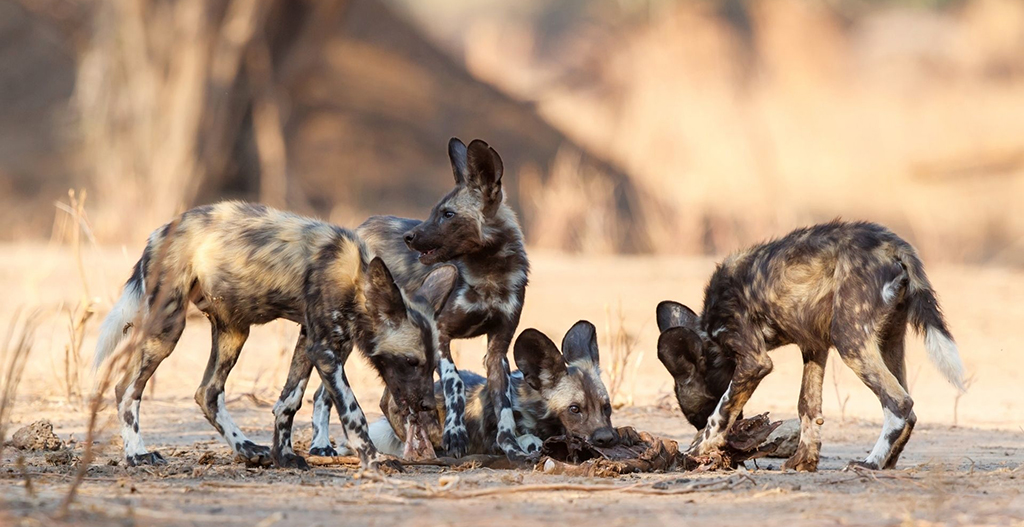
Wild dogs survive on a diet shaped by their environment and hunting skills. Their food varies by location and season. Understanding what wild dogs eat helps us learn about their health and behavior. This knowledge also guides care for dogs in captivity.
Core Food Sources
Wild dogs mainly eat meat. They hunt small to medium animals like rabbits, rodents, and birds. Sometimes, they catch larger prey such as deer or wild pigs. They also eat insects and eggs when meat is scarce. Scavenging on leftovers from other predators is common. This variety provides needed nutrients for energy and growth.
Seasonal Variations
Food availability changes with seasons. In spring and summer, wild dogs find more small animals and insects. In autumn and winter, prey may be harder to catch. Dogs may rely more on scavenging or eat plants like berries to survive. This flexibility helps them adapt to different conditions and stay healthy year-round.
Meat And Protein Choices
Wild dogs rely heavily on meat and protein for energy and survival. Their diet mainly consists of animal flesh and parts rich in nutrients. Protein helps build strong muscles and supports overall health. Understanding their meat and protein choices reveals how these animals thrive in nature.
Prey Animals
Wild dogs hunt various prey to get protein. Small mammals like rabbits and rodents are common targets. They also chase larger animals such as deer or wild pigs. Birds and reptiles can be part of their meals too. These prey provide essential nutrients and calories for energy.
Scavenging Habits
Wild dogs do not always hunt live prey. They often scavenge on leftovers from other predators. Carrion, or dead animals, offers an easy meal with less effort. Scavenging helps them survive when hunting is difficult. This behavior shows their adaptability in finding protein sources.
Plant Matter In Diet
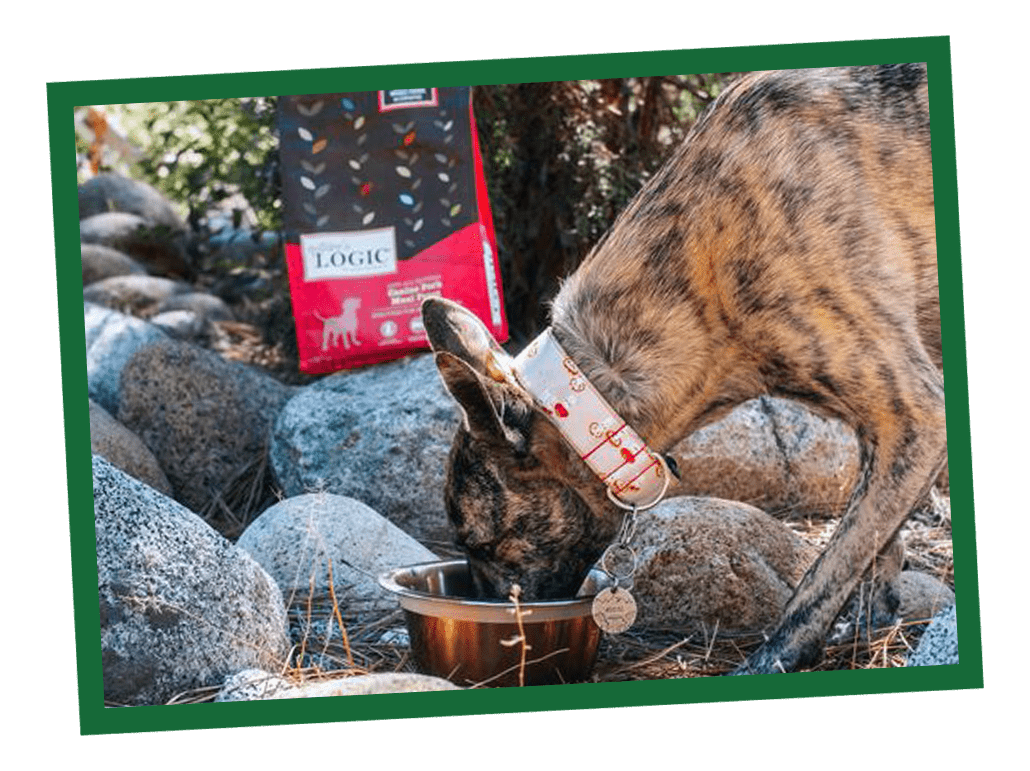
Wild dogs eat more than just meat. Plant matter is an important part of their diet. It provides vitamins, fiber, and energy that meat alone cannot offer. Eating plants helps wild dogs stay healthy and strong.
Fruits And Berries
Wild dogs often eat fruits and berries they find in their environment. These sweet treats give them natural sugars for quick energy. Fruits like wild apples, berries, and melons are common snacks. They also contain vitamins that support the dog’s immune system.
Some fruits help with digestion too. Wild dogs may eat fallen fruit or pick it from bushes. This part of their diet changes with the seasons and availability.
Vegetation And Roots
Vegetation and roots are another key food source for wild dogs. They chew on grass and leaves to get fiber and minerals. Roots provide important nutrients and sometimes moisture. Wild dogs use their strong teeth to dig and pull roots from the ground.
Eating plants like these helps balance their diet. It can also soothe their stomachs after eating meat. This mix of food helps wild dogs survive in tough environments.
Credit: natureslogic.com
Insects And Small Creatures
Dogs in the wild eat more than just meat. Insects and small creatures are a key part of their diet. These tiny animals provide important nutrients and energy. Wild dogs often hunt or scavenge for them. This food source helps dogs survive when larger prey is scarce.
Nutritional Value
Insects offer protein and fat, essential for energy and growth. They also provide vitamins like B12 and minerals such as iron and zinc. These nutrients support strong muscles, healthy skin, and a good immune system. Small creatures like frogs or lizards add variety and extra nutrients. Eating insects and small animals helps wild dogs stay healthy and active.
Common Insect Prey
Wild dogs eat many types of insects. Beetles, ants, and grasshoppers are common choices. These insects are easy to catch and abundant in the wild. Sometimes, dogs also eat spiders and larvae. Small reptiles and amphibians like lizards and frogs appear on their menu too. This varied diet keeps their nutrition balanced and their hunger satisfied.
Hydration Sources
Wild dogs need water to survive just like any other animal. They get hydration from different natural sources. These sources keep them healthy and active in the wild.
Natural Water Intake
Wild dogs drink water from rivers, lakes, and ponds. They find fresh water in streams and rain puddles. Sometimes, they dig small holes to reach underground water. Clean water is very important for their survival. They often travel far to find safe drinking spots. Staying hydrated helps them hunt and stay alert.
Moisture From Food
Wild dogs get water from the food they eat. Prey animals have high moisture content in their bodies. Eating fresh meat provides a lot of hydration. They also consume fruits and plants that hold water. This moisture supplements their water intake on dry days. It helps them survive when water sources are scarce.
Credit: www.golfsouthayrshire.com
Hunting And Foraging Techniques
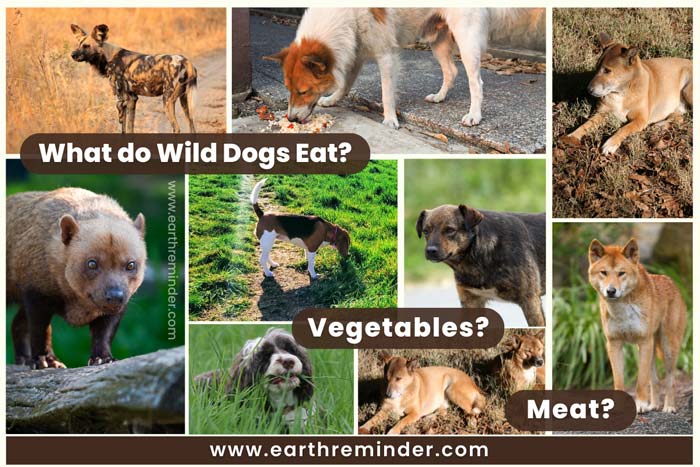
Wild dogs use different ways to find food. They rely on hunting and foraging to survive. These skills help them catch prey or find edible plants. Their methods depend on the situation and the type of food available. Understanding these techniques shows how dogs adapt to the wild environment.
Pack Hunting
Dogs often hunt in groups called packs. This teamwork helps them catch bigger animals. They use their speed and strength together to corner prey. Each dog has a role, like chasing or blocking. Packs communicate with sounds and body language. This strategy increases their chance of success.
Solo Foraging
Sometimes dogs search for food alone. They look for small animals, insects, or plants. Solo foraging is quiet and careful. Dogs use their nose to find hidden food. They may dig or sniff around to discover meals. This method works well when prey is scarce.
Diet Differences By Habitat
Wild dogs adapt their diets based on their surroundings. Each habitat offers different food sources. Their meals reflect the environment’s resources and challenges. Understanding these diet differences shows how dogs survive in the wild.
Forest And Woodland Diets
In forests and woodlands, wild dogs eat mostly small animals. They hunt rabbits, rodents, and birds. These areas have dense trees and bushes. Dogs use cover to sneak up on prey. They also eat insects and fallen fruits. This diet provides protein and energy for their active lives.
Grassland And Desert Diets
Grasslands and deserts offer fewer trees and water. Wild dogs here hunt bigger animals like antelope or hares. They rely on speed and teamwork to catch prey. Sometimes, they eat reptiles or insects. Water is scarce, so they get moisture from their food. Their diet is tougher but helps them survive harsh places.
Impact Of Diet On Health
The diet of wild dogs plays a big role in their health. What they eat gives them energy and helps their bodies work well. Their natural diet includes many nutrients that keep them strong and active.
Eating the right food helps wild dogs heal faster and avoid sickness. It also supports their muscles, bones, and fur. A healthy diet means they can run, hunt, and survive better in the wild.
Nutritional Benefits
Wild dogs eat meat, bones, and some plants. Meat gives them protein for muscle growth. Bones provide calcium for strong teeth and bones. Organs supply vitamins and minerals needed for health.
Sometimes, they eat fruits and vegetables. These add fiber to their diet, helping digestion. The mix of foods meets their body’s needs well. This natural balance is hard to copy in pet food.
Dietary Challenges
Wild dogs face food shortages at times. They may eat less or find poor-quality food. This can cause weakness or illness. Hunting is risky and needs energy, which depends on food availability.
Eating raw meat may carry germs. Wild dogs have strong immune systems to fight infections. Still, poor diet or injury can make them vulnerable. Their survival depends on finding enough good food regularly.
Frequently Asked Questions
What Do Wild Dogs Mainly Eat?
Wild dogs mostly eat small mammals, birds, and insects found in their habitat.
How Do Wild Dogs Hunt For Food?
Wild dogs hunt in packs, using teamwork to catch prey efficiently.
Do Wild Dogs Eat Plants Or Vegetables?
Yes, wild dogs sometimes eat fruits and plants for extra nutrients.
How Often Do Wild Dogs Find Food?
Wild dogs usually hunt and eat once or twice a day.
Can Wild Dogs Eat Human Food Safely?
Wild dogs can eat some human food but wild diet is best for health.
What Role Does Scavenging Play In Wild Dogs’ Diet?
Wild dogs often scavenge leftover food from other animals to survive.
Conclusion
Wild dogs eat a variety of foods to survive in nature. They hunt small animals, birds, and insects for protein. They also eat fruits and plants for vitamins and energy. Their diet changes with seasons and availability of food. Understanding wild dogs’ eating habits helps us care better for pets.
It shows how nature provides balanced nutrition. Wild dogs adapt well to their environment through what they eat. This natural diet keeps them strong and healthy. Learning from them can guide healthy feeding choices for domestic dogs too. Nature’s way is simple and effective.
As an Amazon Associate, I earn from qualifying purchases.