Have you ever heard someone say their dog is “altered” and wondered what that really means? If you care about your furry friend’s health and happiness, understanding this term is important.
Knowing what “altered” means can help you make better choices for your dog’s well-being. Keep reading to discover the full story behind this word and how it affects your dog’s life.
Meaning Of Altered
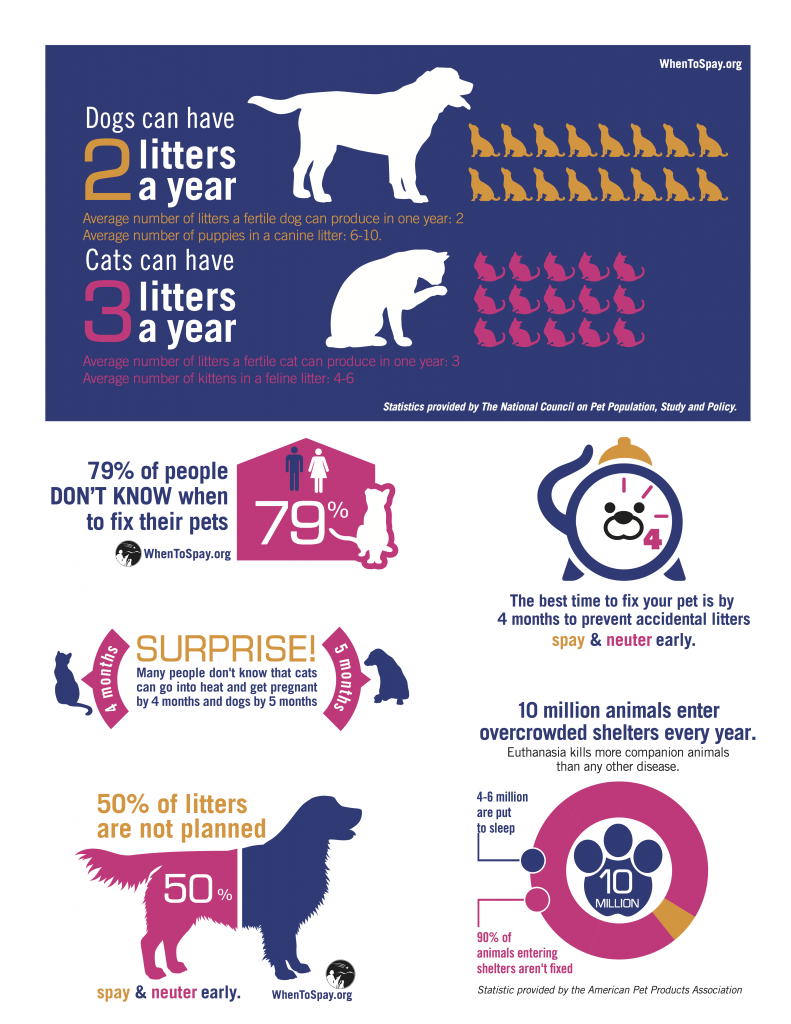
The term “altered” for a dog means the pet has had surgery to stop it from reproducing. This surgery changes the dog’s ability to have puppies or puppies in the future.
Altering a dog helps control the pet population. It also can improve your dog’s health and behavior in some cases.
Spaying And Neutering Defined
Spaying is a surgery for female dogs. It removes the ovaries and usually the uterus. This stops the female dog from having puppies.
Neutering is for male dogs. It removes the testicles. This stops the male dog from fathering puppies.
Common Procedures Explained
Spaying and neutering are common and safe surgeries. They are done by a vet under anesthesia. The dog feels no pain during the operation.
After surgery, dogs need rest and care. The healing time is usually short. Most dogs return to normal life quickly.
These procedures reduce risks of some diseases. They can also lower aggressive behaviors in dogs.
Health Benefits
Altering a dog brings many health benefits. It helps keep your dog safe from serious health problems. This step can also improve your dog’s daily behavior. Understanding these benefits can help you make the right choice for your pet’s well-being.
Reduced Risk Of Diseases
Altering lowers the chance of many diseases. It stops certain cancers like testicular and ovarian cancer. Dogs that are altered rarely get infections in the reproductive organs. This can lead to a longer and healthier life for your dog. It also reduces the risk of painful conditions like pyometra in females.
Behavioral Improvements
Altering can change some behaviors in dogs. It often reduces aggressive actions and marking territory with urine. Dogs may become calmer and less likely to roam far from home. This makes them safer and easier to train. These changes help create a better bond between you and your pet.
Potential Risks
Altering a dog usually means spaying or neutering. These procedures help control pet populations and can improve behavior. Still, some risks come with the surgery and its effects. Knowing these risks helps owners make better decisions for their pets.
Surgical Complications
Surgery always carries some risk. Dogs might face infection at the cut site. Bleeding during or after surgery can also happen. Anesthesia has risks, especially for older or sick dogs. Some dogs may have allergic reactions to medicine. Careful monitoring after surgery reduces these risks.
Long-term Health Considerations
Altering can affect a dog’s health later. Some dogs may gain weight more easily after surgery. This can lead to joint problems or diabetes. There is a small risk of certain cancers increasing. Some breeds show changes in bone growth or behavior. Regular vet check-ups help catch any health issues early.
Credit: popememorialcvhs.org
Impact On Behavior
Altering a dog can change its behavior in many ways. These changes happen because hormones in the dog’s body adjust after the surgery. Understanding these shifts helps owners care for their pets better.
Changes In Aggression
Neutering or spaying often lowers aggressive behavior. Dogs may become calmer and less likely to fight. This effect is stronger in male dogs but happens in females too. Some dogs show less territorial behavior after altering. It can also reduce dominance issues with other dogs.
Effect On Mating Instincts
Altering usually decreases the drive to mate. Dogs lose interest in seeking partners or marking territory. This reduces roaming and wandering in search of mates. It helps keep dogs safer and closer to home. The change also stops unwanted litters and helps control pet populations.
Age And Timing
Understanding the right age and timing for altering a dog is important. It helps ensure your dog stays healthy and happy. The timing can affect their growth, behavior, and health risks. Knowing when to alter your dog can make the process smoother and safer.
Best Age For Alteration
Most vets suggest altering dogs between six and nine months old. This age is ideal because dogs are mature enough but still young. Puppies altered too early may face some health risks. Waiting too long might increase chances of unwanted behavior. The best age varies by breed and size. Small breeds tend to mature faster than large breeds. Discuss your dog’s breed and size with your vet to find the best time.
Factors Influencing Timing
Several factors affect the best time to alter your dog. Health conditions can delay the procedure. Some dogs need to be fully vaccinated first. Behavioral issues may improve if altering happens at the right age. Large breeds may benefit from waiting until full growth. Female dogs often have specific timing related to heat cycles. Your vet will help decide the safest timing for your dog’s needs.

Credit: spiritdogtraining.com
Post-surgery Care
Post-surgery care is very important for a dog after being altered. This care helps the dog heal faster and stay comfortable. It lowers the risk of problems and keeps your pet safe during recovery.
Proper care means giving attention to the dog’s needs and watching for any unusual signs. It also involves managing pain and keeping the dog calm and quiet. Following simple steps can make a big difference in healing.
Recovery Tips
Keep your dog in a quiet, clean place to rest. Limit activity to prevent injury to the surgery site. Use an Elizabethan collar to stop licking or biting the area. Feed small, light meals to avoid stomach upset. Give all medicines exactly as the vet says. Check the incision daily for redness or swelling. Keep the wound dry and clean. Avoid baths or swimming until the vet approves.
Monitoring For Complications
Watch for signs like heavy bleeding, bad smell, or pus from the incision. Notice if your dog has a high fever or is very sleepy. Look for loss of appetite or vomiting. Check if your dog is limping or seems in pain. Call the vet immediately if any of these occur. Early detection helps prevent serious problems. Keep a close eye during the first two weeks after surgery.
Myths And Facts
Many dog owners have questions about what it means for a dog to be altered. Myths and facts surround this topic. Knowing the truth helps you make the best choice for your pet.
Common Misconceptions
Some people believe altered dogs lose their personality. This is not true. Altering a dog does not change its unique character. Others think altered dogs become lazy or gain weight quickly. While some dogs may gain weight, this depends on diet and exercise. Another myth says altered dogs cannot protect their home. Many altered dogs remain alert and protective. These misconceptions can stop owners from altering their dogs.
Scientific Evidence
Studies show altered dogs live longer and stay healthier. Neutering reduces the risk of some cancers and infections. It also helps control the dog population. Scientific research finds no link between altering and bad behavior. In fact, altered dogs often show less aggression and fewer roaming instincts. Experts agree altering benefits both dogs and communities.
Credit: www.co.price.wi.us
Financial Considerations
Deciding to alter a dog involves financial planning. Knowing the costs helps prepare for the expense. Planning ahead avoids surprises and stress. It is important to understand both the direct and indirect costs.
Cost Of Procedures
Spaying or neutering costs vary by location and clinic. The average price ranges from $50 to $300. Factors such as the dog’s size and health affect the price. Some clinics offer lower fees for puppies or small dogs. Additional costs may include pre-surgery exams and medications. Always ask for a full price estimate before the procedure.
Available Assistance Programs
Many communities have programs to help cover spay or neuter costs. Nonprofit organizations often provide low-cost services. Some animal shelters run special discount days. Veterinary schools sometimes offer reduced fees for procedures. Search local resources for financial aid options. These programs make altering pets affordable for more owners.
Frequently Asked Questions
What Does It Mean When A Dog Is Altered?
An altered dog has been spayed or neutered to prevent breeding and reduce certain behaviors.
Why Do People Alter Their Dogs?
Altering helps control pet populations and can improve a dog’s health and behavior.
At What Age Should A Dog Be Altered?
Most dogs are altered between 6 to 12 months old, but it varies by breed and vet advice.
Does Altering Affect A Dog’s Behavior?
Yes, it often lowers aggression, roaming, and marking, making dogs calmer and easier to train.
Is Altering Safe For All Dogs?
Altering is generally safe but should be done after vet checkups to ensure the dog’s health.
Can An Altered Dog Still Have Puppies?
No, once a dog is spayed or neutered, it cannot have puppies.
Conclusion
Altering a dog means spaying or neutering them. It helps control pet population and improves health. Altered dogs often live longer and behave better. This simple step keeps your dog safe and happy. Remember, knowing what altered means helps you care for your pet.
Every dog deserves a healthy and loving home.
As an Amazon Associate, I earn from qualifying purchases.