Have you ever heard someone say “heel” to a dog and wondered what it really means? If you want your dog to walk calmly by your side without pulling or wandering off, understanding the command “heel” is key.
This simple word can transform your daily walks from frustrating struggles into smooth, enjoyable moments. Keep reading to discover what “heel” means for your dog and how it can improve your connection and control during walks.
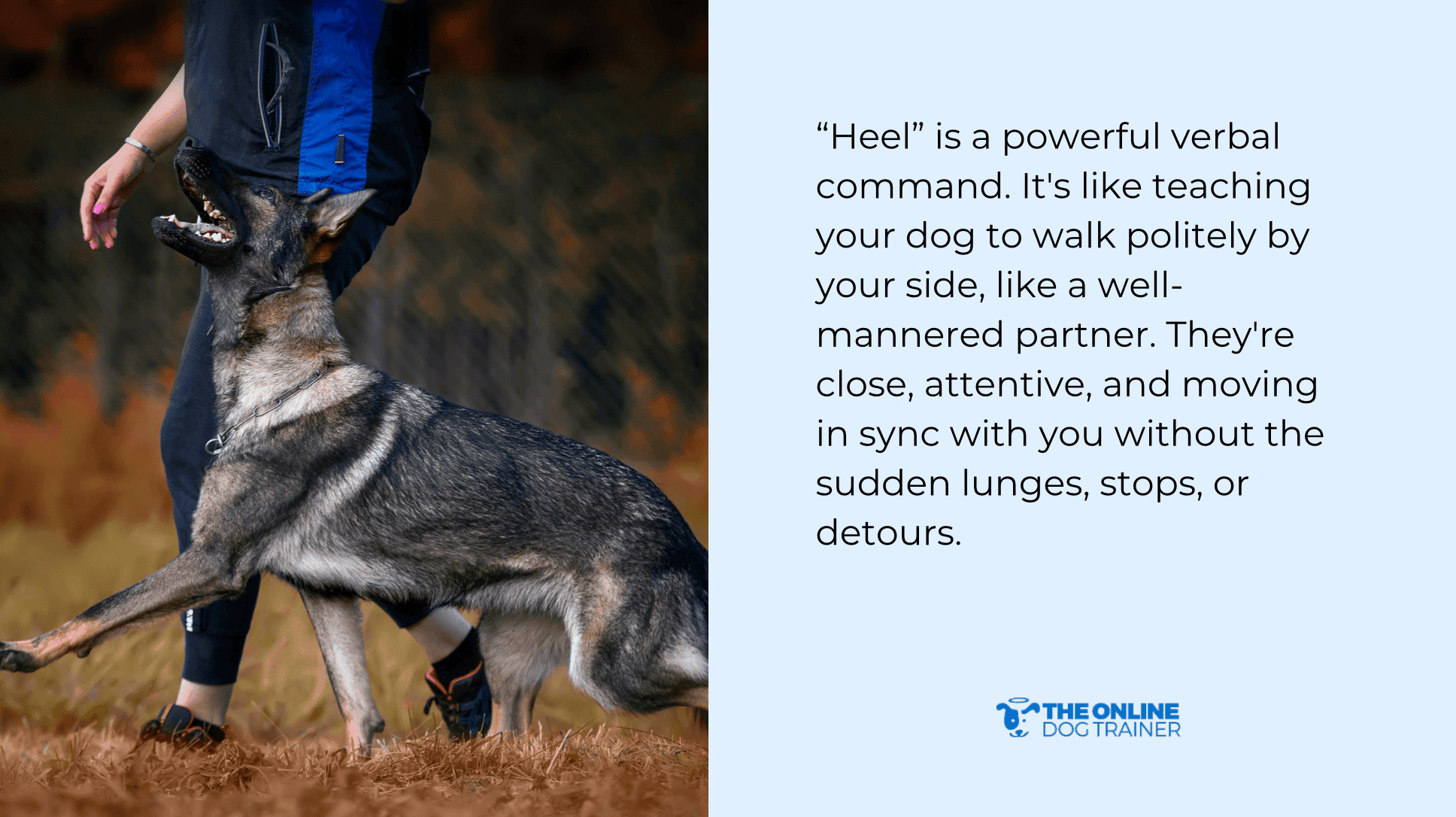
Credit: theonlinedogtrainer.com
Heel Command Basics
Teaching your dog the heel command creates calm, controlled walks. It sets clear rules for where your dog should walk beside you. This command helps your dog stay close and focused during walks or training sessions. Understanding the basics of the heel command makes training easier and more effective.
What Heel Means
The heel command means your dog walks next to you on a loose leash. Usually, your dog stays on your left side. The dog keeps pace with you and does not pull ahead or lag behind. It shows your dog’s attention and readiness to follow your lead.
Heel also means your dog listens and waits for your next move. It is a sign of good behavior and respect. This command keeps your dog safe in busy or dangerous places.
Why Heel Is Important
The heel command improves control during walks and public outings. It prevents pulling, which can cause injury to you or your dog. Walking at heel helps avoid distractions from other dogs, people, or cars.
This command also strengthens the bond between you and your dog. It teaches your dog patience and focus. Heel training builds trust and makes walks more enjoyable for both of you.

Credit: cloudninedogtraining.com
When To Start Training
Training your dog to heel means teaching them to walk closely by your side. Starting this training at the right time is very important. Early training helps your dog learn good walking habits fast. It also builds a strong bond between you and your dog. Knowing when to begin can make training easier and more fun for both of you.
Ideal Age For Heel Training
Start heel training when your puppy is about 8 to 12 weeks old. At this age, puppies are curious and eager to learn. They can focus for short times, making training sessions effective. Training too early can be hard because very young puppies tire quickly. Wait until your puppy has had some basic vaccinations to keep training safe.
Signs Your Dog Is Ready
Your dog shows interest in you during walks. They look at you and respond to simple commands. Your dog can walk without pulling too much. They stay calm in new places and around distractions. These signs show your dog can handle heel training. Begin with short sessions and praise your dog often.
Tools For Heel Training
Training a dog to heel requires the right tools. These tools help guide your dog and make learning easier. Using the best equipment increases success and keeps training smooth. The right tools help your dog focus and understand commands quickly.
Leashes And Collars
A strong, comfortable leash is key for heel training. It gives control without hurting your dog. A standard 4 to 6-foot leash works best for close guidance. Avoid retractable leashes as they give less control. Choose a collar that fits well and feels safe. Flat collars or martingale collars are good choices. Avoid choke chains or prong collars for gentle training.
Treats And Rewards
Treats motivate your dog to follow the heel command. Use small, tasty treats your dog loves. Give treats right after the dog heels correctly. Praise and petting also work as rewards. Rewards help your dog learn what behavior you want. Keep treats handy and give them often in the beginning. Rewards build a strong connection between you and your dog.
Step-by-step Heel Training
Training your dog to heel makes walks calm and safe. It helps your dog stay close to you and follow your pace. Step-by-step heel training breaks down this skill into easy parts. This method builds good habits and clear communication between you and your dog. Consistency and patience bring the best results.
Getting Your Dog’s Attention
Start in a quiet place to avoid distractions. Use your dog’s name to get their focus. Hold a treat near your side to guide their attention. Wait for your dog to look at you. Praise or give the treat immediately. Repeat this until your dog stays focused on you.
Teaching The Heel Position
Stand with your dog on your left side. Show the treat near your left leg. Use a command like “heel” or “close.” Move a few steps, encouraging your dog to walk beside you. Reward your dog if they stay in the correct spot. Practice this in short sessions to build the habit.
Practicing Walking At Heel
Walk slowly while your dog stays next to you. Keep your voice calm and steady. Use treats to keep your dog in position. Change directions to keep your dog attentive. If your dog moves away, gently guide them back. Practice often in different places for better results.
Correcting Common Mistakes
If your dog pulls ahead, stop walking. Wait for them to return to your side. Avoid pulling on the leash; use gentle guidance. If your dog lags, encourage them with a treat. Do not punish mistakes; stay calm and patient. Consistent practice helps fix these issues over time.
Advanced Heel Techniques
Advanced heel techniques help dogs walk calmly and focus better. These skills build on basic heel training. They teach dogs to ignore distractions and stay close even without a leash. Training this way strengthens your bond and improves control.
Heel With Distractions
Dogs face many distractions during walks. Other dogs, noises, and people can pull their attention away. Heel with distractions teaches dogs to stay near you despite these things. Start training in quiet places. Slowly add distractions like toys or other animals. Reward your dog for staying close. This practice makes your dog more reliable in real situations.
Heel Off-leash Training
Off-leash heel training gives your dog freedom while staying safe. This skill means your dog walks by your side without a leash. Begin in a fenced area to prevent running away. Use a long leash to guide your dog. Gradually remove the leash as your dog learns. Praise your dog for staying close. Off-leash heel shows good discipline and trust between you both.
Troubleshooting Heel Training
Troubleshooting heel training can be challenging for many dog owners. Dogs may not always follow the commands as expected. Understanding common problems helps improve training success.
Patience and consistency are key during this process. Small steps lead to better results. Let’s explore how to handle common issues like pulling, excitement, and stubbornness.
Dealing With Pulling
Pulling is a common problem during heel training. Dogs may pull ahead out of excitement or curiosity. Stop walking immediately when your dog pulls. Wait calmly until the leash slackens. Reward your dog only when it walks beside you. Use a short leash to keep better control. Avoid yanking the leash, as it may hurt your dog.
Managing Excitement
Excited dogs find it hard to focus on heel commands. Training in a quiet place can help your dog concentrate. Use calm and gentle tones when giving commands. Take breaks if your dog gets too excited. Gradually increase distractions to build focus. Always praise your dog for calm behavior during walks.
Handling Stubborn Behavior
Some dogs resist heel training and act stubborn. Keep training sessions short and positive. Use treats and toys as rewards to motivate your dog. Avoid punishment, which can cause fear or confusion. Be consistent with commands and daily practice. Seek help from a professional trainer if needed.
Benefits Of Heel Training
Heel training offers many advantages for both dogs and owners. It teaches dogs to walk close to their owner’s side. This skill makes walks more pleasant and safe.
Training your dog to heel also helps in many everyday situations. It improves behavior and makes control easier.
Improved Safety
Heel training keeps your dog close, reducing the chance of accidents. It stops your dog from running into traffic or dangerous areas. Your dog learns to stay focused on you, even with distractions nearby.
Better Control On Walks
Walking a dog that heels is easier and less tiring. You don’t have to pull the leash or stop often. Your dog follows your pace and direction smoothly. This control makes walks more enjoyable for both of you.
Strengthening Your Bond
Heel training builds trust between you and your dog. It requires attention and cooperation. Your dog listens to you and feels safe. This teamwork creates a stronger connection and better communication.
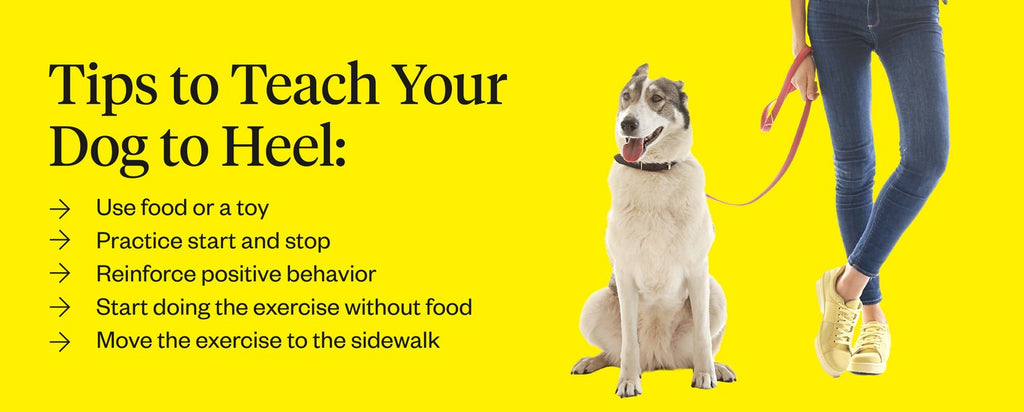
Credit: www.scala-santa.com
Frequently Asked Questions
What Does “heel” Mean In Dog Training?
“Heel” means the dog walks closely beside its owner’s left leg, staying in control and calm.
Why Is Teaching Heel Important For Dogs?
Heel helps keep dogs safe and well-behaved during walks or crowded places.
How Do Dogs Learn The Heel Command?
Dogs learn by practice, treats, and praise when they walk close without pulling.
How Long Does It Take To Teach Heel To A Dog?
Most dogs learn heel in a few weeks with consistent daily training.
Can All Dog Breeds Learn To Heel?
Yes, all breeds can learn heel, but some may take more time or patience.
What Are Common Mistakes When Teaching Heel?
Pulling the leash, inconsistent commands, and rushing the training often cause problems.
Conclusion
Teaching your dog to heel helps improve control and safety. It builds trust between you and your pet. Dogs learn to stay close and focus on you. This skill makes walks more enjoyable and calm. Practice often, keep sessions short and positive.
Patience and consistency bring the best results. A well-trained dog is happy and relaxed outside. Heel is a simple command with big benefits. Keep training fun and your dog will respond well.
As an Amazon Associate, I earn from qualifying purchases.