Have you ever found your dog throwing up white foam and felt worried about what it could mean? Seeing your furry friend in discomfort is unsettling, and you want to know if it’s something serious or just a minor issue.
Understanding why your dog throws up white foam can help you act quickly and keep your pet safe. You’ll discover the common reasons behind this behavior, when you should be concerned, and what steps you can take right away. Keep reading to learn how to protect your dog’s health and give yourself peace of mind.
White Foam Vomit In Dogs
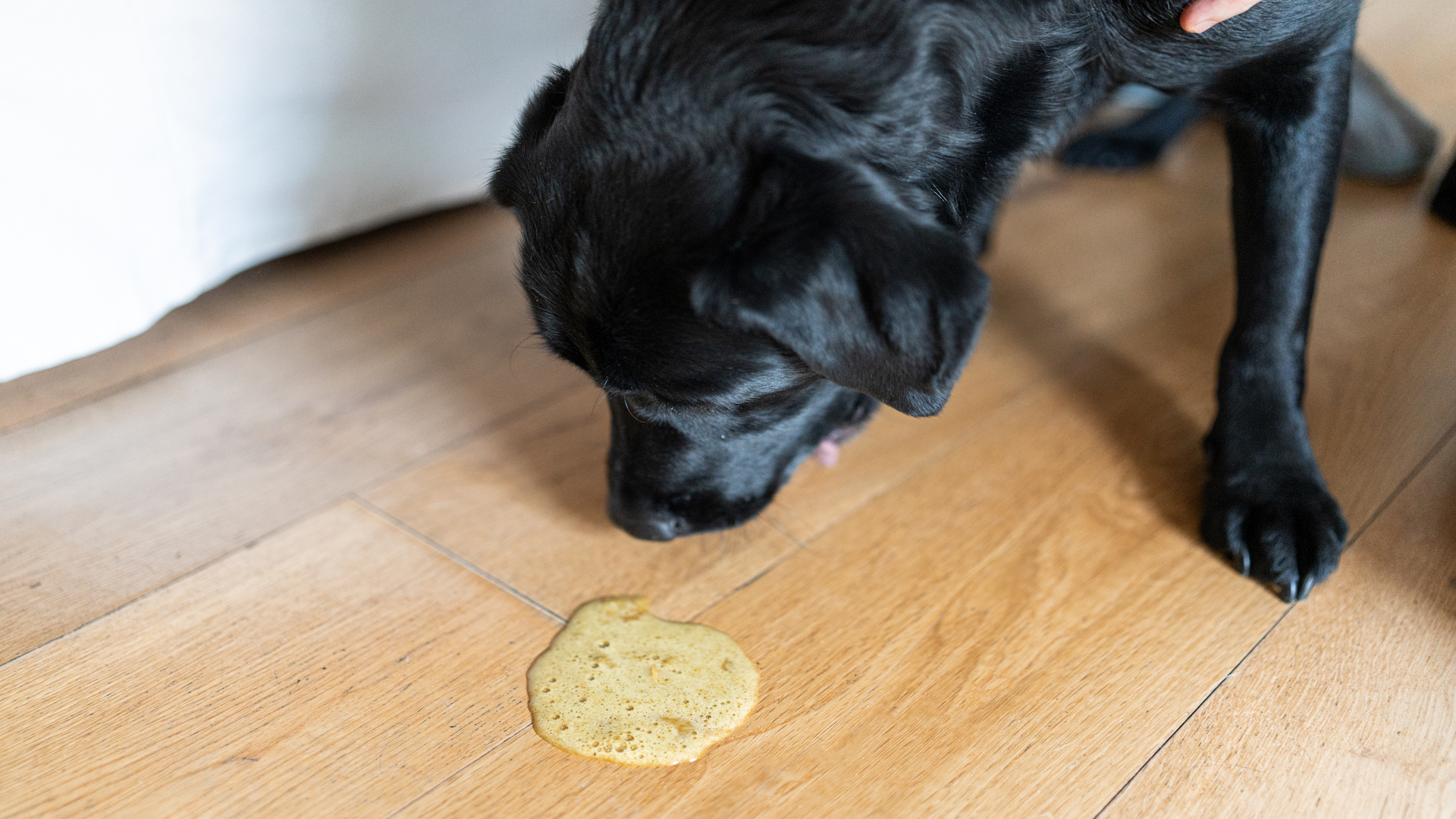
White foam vomit in dogs can be worrying for any pet owner. It often signals that the stomach is upset or empty. This kind of vomiting happens when dogs throw up a clear, frothy liquid. Understanding why this happens helps you care for your dog better.
Common Signs To Watch
Notice if your dog vomits white foam repeatedly. Check for signs like drooling or licking lips. Watch if your dog acts restless or seems uncomfortable. Look for coughing or gagging before vomiting. Pay attention to loss of appetite or lethargy. These signs often mean the dog needs medical care.
Why White Foam Appears
White foam vomit often forms from stomach acid mixed with saliva. It happens when the stomach is empty for a long time. Dogs with acid reflux may vomit white foam. It can also occur due to mild stomach irritation. Sometimes, it points to more serious problems like infections or blockages. Early detection is key to prevent complications.

Credit: www.youtube.com
Causes Of White Foam Vomiting
Seeing your dog throw up white foam can be worrying. Understanding the causes helps you act quickly. White foam vomiting often signals irritation or a problem inside your dog’s body. Various issues can lead to this symptom. Knowing these causes aids in proper care and timely vet visits.
Empty Stomach Issues
Dogs often vomit white foam on an empty stomach. Stomach acid builds up without food. This acid irritates the stomach lining. This irritation can cause your dog to throw up foam. Feeding smaller meals more often can help prevent this.
Gastrointestinal Irritation
Irritation in the stomach or intestines can cause white foam vomiting. This irritation may come from eating spoiled food or foreign objects. It may also result from sudden diet changes. The stomach reacts by producing excess mucus and foam.
Infections And Parasites
Infections from bacteria or viruses can upset your dog’s stomach. Parasites like worms also cause vomiting. These infections cause inflammation and discomfort. Vomiting white foam is a common sign of these problems. Vet treatment is often necessary to clear infections.
Allergic Reactions
Dogs may vomit white foam due to allergies. Food allergies or environmental triggers can cause this. The stomach reacts by producing foam and mucus. Allergies may also cause itching and skin issues. Identifying and avoiding allergens helps reduce vomiting.
Toxin Ingestion
Swallowing toxins or harmful substances often leads to vomiting. White foam appears as the stomach tries to clear the toxins. Common toxins include plants, chemicals, or spoiled food. Quick veterinary care is important in these cases. Avoid letting your dog access dangerous items.
Underlying Health Conditions
Serious health issues can cause white foam vomiting. Conditions like kidney disease, pancreatitis, or liver problems affect digestion. These illnesses often need ongoing care and treatment. Watch for other symptoms like lethargy or loss of appetite. Early diagnosis improves your dog’s outcome.
When To Seek Veterinary Care
Knowing when to seek veterinary care is very important if your dog throws up white foam. Vomiting can be a sign of many health issues. Some need urgent attention while others might be less serious. Watch your dog’s behavior closely. Acting quickly can help prevent serious problems.
Emergency Symptoms
Look for signs like difficulty breathing or choking. Sudden weakness or collapse is a red flag. Continuous vomiting without stopping needs fast care. Blood in vomit or stool requires immediate vet attention. Severe abdominal pain or bloating can be life-threatening. These symptoms mean your dog needs emergency help.
Duration And Frequency Concerns
Vomiting once may not be serious. But repeated vomiting over several hours is worrying. Vomiting that lasts more than 24 hours needs a vet visit. If your dog vomits white foam multiple times a day, get help. Watch for other signs like loss of appetite or lethargy. These could show an underlying problem needing treatment.

Credit: bestfriendsvet.org
Home Care Tips
When your dog throws up white foam, it can be worrying. Simple home care can ease your dog’s discomfort. These tips help support your dog’s recovery. They also prevent future episodes.
Dietary Adjustments
Start by feeding smaller meals more often. This reduces stomach acid build-up. Avoid giving your dog fatty or spicy foods. Stick to bland options like boiled chicken and rice. Do not feed your dog right before bedtime. Keep treats to a minimum during recovery.
Hydration Strategies
Make sure your dog drinks enough water. Offer small amounts frequently to prevent vomiting. Use fresh, clean water at all times. Ice chips can help if your dog resists drinking. Avoid giving sugary drinks or milk. Proper hydration supports digestion and healing.
Environmental Changes
Keep your dog calm and stress-free. Loud noises and busy places can worsen symptoms. Create a quiet resting area for your dog. Avoid vigorous exercise until your dog feels better. Monitor your dog closely for any changes. A peaceful environment aids faster recovery.
Preventing White Foam Vomiting
Preventing white foam vomiting in dogs requires good care and attention. This problem often signals stomach irritation or other health issues. Taking simple steps can help reduce the chances of your dog throwing up white foam. Focus on feeding habits, safety, and regular health checks to keep your dog healthy and happy.
Regular Feeding Schedule
Feed your dog at the same times every day. Avoid skipping meals or long gaps between feeding. Small, frequent meals help keep the stomach calm. Use high-quality dog food suitable for your pet’s needs. Avoid giving table scraps or sudden food changes. A regular schedule supports proper digestion and reduces vomiting risks.
Safe Environment Practices
Keep harmful substances out of your dog’s reach. Remove toxic plants, chemicals, and small objects they could swallow. Provide clean water at all times to prevent dehydration. Avoid stressful situations that upset your dog. A safe, calm environment helps maintain good digestive health and lowers vomiting chances.
Routine Health Checks
Visit the vet regularly for health exams. Early detection of illnesses can prevent serious problems. Monitor your dog’s behavior and appetite daily. Report any changes or frequent vomiting to the vet. Routine checks keep your dog’s health on track and catch issues early.
Credit: www.petsradar.com
Frequently Asked Questions
Why Does My Dog Throw Up White Foam Sometimes?
White foam vomit often means an empty stomach or mild irritation in dogs.
Is White Foam Vomit In Dogs A Sign Of Illness?
It can signal upset stomach, acid build-up, or early sickness needing attention.
When Should I Worry About My Dog Vomiting White Foam?
If vomiting lasts over 24 hours, or shows other symptoms, see a vet.
What Causes Dogs To Vomit White Foam Frequently?
Causes include gastritis, acid reflux, indigestion, or eating too fast.
Can Diet Changes Help Stop My Dog’s White Foam Vomiting?
Yes, feeding smaller, frequent meals and avoiding rich foods may help.
How Can I Soothe My Dog After Vomiting White Foam?
Offer water, rest, and mild food; consult vet if symptoms persist.
Conclusion
White foam vomit in dogs can signal many health issues. Watch your dog closely for other signs like lethargy or loss of appetite. Keep your pet hydrated and avoid feeding for a few hours after vomiting. Persistent vomiting needs prompt vet attention to prevent serious problems.
Early care can keep your dog safe and comfortable. Trust your instincts and seek help when unsure. Your dog’s health matters most.
As an Amazon Associate, I earn from qualifying purchases.