If you’ve noticed unusual patches on your dog’s skin, you might be wondering, “What does ringworm look like on my dog?” Ringworm is a common skin infection that can be tricky to spot at first. But catching it early is key to keeping your furry friend comfortable and healthy.
You’ll learn exactly how to identify ringworm, what signs to watch for, and how to take action fast. Keep reading—your dog’s skin health could depend on it.

Credit: urgentvet.com
Ringworm Symptoms On Dogs
Ringworm is a common fungal infection in dogs. It causes changes in the skin that are easy to notice. Recognizing these symptoms early helps protect your dog’s health. Dogs of all ages can get ringworm. The symptoms may vary but some signs appear often.
Common Skin Changes
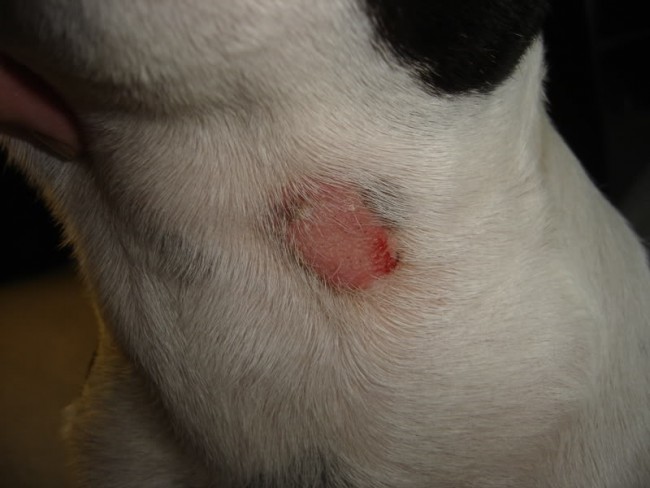
Ringworm causes round, hairless patches on the skin. These patches may look red or scaly. The skin can become dry and flaky. Sometimes, the patches are crusty or have small bumps. The hair around these spots often breaks or falls out. These changes usually grow larger over time.
Areas Most Affected
Ringworm often shows on the head, ears, and paws. The tail and back can also be affected. These areas have thinner fur, so symptoms appear clearly. Sometimes, ringworm shows on the nose or around the eyes. Watch these spots closely for any unusual changes.
Behavioral Signs
Dogs with ringworm may scratch or lick the patches. This causes irritation and discomfort. Your dog might seem restless or sensitive to touch. Sometimes, the affected skin feels warm or sore. Keep an eye on your dog’s behavior for these clues.
Credit: www.ddcclinic.org
Identifying Ringworm Spots
Identifying ringworm spots on your dog is important for quick treatment. The infection affects the skin and fur. It shows up as distinct marks that you can spot early. Knowing what to watch for helps protect your dog’s health.
Circular Lesions
Ringworm often causes round patches on the skin. These spots have clear edges and look like small rings. The centers may be lighter or hairless. The shape is usually perfect or nearly perfect circles. These lesions can grow larger over time.
Hair Loss Patterns
Hair often falls out in spots where ringworm is present. The bald patches are usually smooth and sometimes scaly. The fur loss can start small but spread quickly. These areas feel different from healthy skin. You may notice short, broken hairs around the edges.
Redness And Scaling
The affected skin may look red and irritated. You might see flaky or scaly skin on the lesion. This scaling can be dry or slightly crusty. The redness shows inflammation caused by the fungus. These signs often appear around the circular lesions.
How Vets Diagnose Ringworm
Vets use several methods to diagnose ringworm in dogs. Accurate diagnosis helps to treat the infection effectively. Early detection stops the infection from spreading to other pets or humans.
Wood’s Lamp Examination
The vet uses a special light called Wood’s lamp. This light makes some ringworm fungi glow green. Not all fungi glow, so this test alone can’t confirm ringworm. It is a quick, simple first step in diagnosis.
Microscopic Analysis
The vet takes a small skin or hair sample. They check it under a microscope for fungi or spores. This method reveals the presence of ringworm fungi. It helps the vet see the infection clearly.
Fungal Culture Tests
The vet sends a sample to a lab for culture testing. The fungi grow in special media to identify the exact type. This test takes several days but is very accurate. It guides the vet to choose the best treatment.

Credit: lavengel.com
Treatment Options For Ringworm
Treating ringworm in dogs requires patience and proper care. The infection is contagious and can spread to other pets and people. Early treatment helps your dog heal faster and prevents the fungus from spreading. Several treatment options are available to clear ringworm effectively. Each option targets the fungus in different ways.
Topical Medications
Topical medications are creams, ointments, or sprays applied directly to the infected skin. These medicines kill the fungus on the surface and stop it from spreading. Apply the medication as directed by the vet. Clean the area gently before each application. This method works best for mild or small infections. Regular use is important to clear the fungus completely.
Oral Antifungal Drugs
Oral antifungal drugs treat ringworm from inside the body. They are useful for severe or widespread infections. The vet prescribes these pills or liquids based on your dog’s weight and health. These drugs help the immune system fight the fungus. Treatment usually lasts several weeks. Follow the vet’s instructions carefully to avoid side effects and ensure full recovery.
Medicated Baths
Medicated baths use special shampoos to kill ringworm fungi on the skin and fur. These baths reduce the fungus load and soothe irritated skin. Use the shampoo as your vet advises, often two to three times a week. Wet your dog’s coat, lather the shampoo, and leave it on for a few minutes. Rinse well to avoid skin dryness. Medicated baths support other treatments and speed up healing.
Home Care Tips
Taking care of a dog with ringworm at home needs focus and care. Proper home care helps your dog heal faster. It also stops the infection from spreading to others. Follow these simple tips to keep your dog safe and healthy.
Cleaning And Disinfection
Clean your dog’s bedding and toys regularly. Use hot water and pet-safe detergent for washing. Disinfect floors and furniture with a solution safe for pets. This kills ringworm spores and reduces infection risk. Wear gloves while cleaning to avoid spreading fungi.
Preventing Spread
Keep your dog away from other pets and people. Avoid sharing brushes, collars, or bedding. Wash your hands after touching your dog. Clean your dog’s skin gently with vet-recommended shampoos. Limit outdoor activities until the infection clears.
Supporting Your Dog’s Recovery
Feed your dog a healthy, balanced diet to boost healing. Give any medicines prescribed by your vet exactly as directed. Check your dog’s skin daily for changes or new spots. Keep your dog calm and comfortable during recovery. Regular vet visits help track progress and adjust treatment.
Preventing Future Infections
Preventing future ringworm infections in dogs is important for their health and comfort. Taking simple steps can reduce the risk of your dog catching this skin infection again. Keeping the environment clean and avoiding contact with infected animals helps a lot. Regular health checks also catch problems early. These habits protect your dog and your family.
Maintaining Hygiene
Keep your dog’s living area clean. Wash bedding and toys often with hot water. Regularly bathe your dog using vet-approved shampoo. Clean your hands after touching your dog. This stops the spread of ringworm spores. Dry your dog well after baths to prevent dampness.
Regular Vet Checkups
Visit the vet for routine health checks. Early detection of skin problems helps prevent infections. The vet can advise on skin care and treatments. Follow the vet’s instructions carefully for any skin issues. Regular checkups keep your dog healthy and infection-free.
Avoiding Contact With Infected Animals
Keep your dog away from animals showing skin problems. Avoid dog parks or kennels if ringworm is present. Check other pets for signs of ringworm before playtime. Quarantine new pets until vet clearance. This reduces the chance of catching ringworm again.
Frequently Asked Questions
What Are The Common Signs Of Ringworm On Dogs?
Ringworm causes round, red, itchy patches on a dog’s skin. Hair loss often appears in these areas.
How Quickly Does Ringworm Spread On A Dog?
Ringworm can spread within days, affecting more skin and fur if untreated.
Can Ringworm On Dogs Cause Hair Loss?
Yes, ringworm often leads to hair loss in circular patches on the dog’s body.
Is Ringworm Contagious To Humans From Dogs?
Yes, ringworm can spread from dogs to humans through direct contact.
How Do Vets Diagnose Ringworm In Dogs?
Vets use skin scrapings, fungal cultures, or UV light to detect ringworm.
What Treatment Options Help Cure Ringworm In Dogs?
Treatment includes antifungal creams, shampoos, and sometimes oral medicine prescribed by vets.
Conclusion
Ringworm on dogs shows as round, red, itchy patches. These spots may have hair loss and a scaly look. Early detection helps your dog feel better fast. Treating ringworm stops it from spreading to others. Clean your dog’s bedding and living areas often.
Watch your dog’s skin and act quickly if you see changes. A healthy dog is a happy dog. Keep an eye out and care for your pet well.
As an Amazon Associate, I earn from qualifying purchases.