Have you ever caught your dog sniffing around flies or their eggs and wondered, “What happens if my dog eats fly eggs?” It’s a common concern for many pet owners like you.
While it might seem harmless, those tiny eggs could lead to unexpected health issues for your furry friend. You’ll discover what really happens inside your dog’s body, the risks involved, and how you can keep your pet safe. Keep reading—your dog’s well-being might depend on what you learn next.
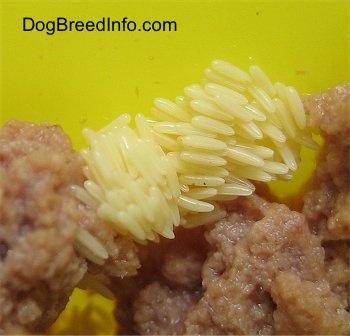
Credit: www.dogbreedinfo.com
Risks Of Fly Eggs In Dogs
Fly eggs can pose hidden dangers to dogs. These tiny eggs might seem harmless at first. But they can cause serious health problems. Dogs often sniff or eat things outdoors, including fly eggs. Understanding the risks helps keep your pet safe and healthy.
Fly eggs can hatch inside a dog’s body. This leads to infections and discomfort. Early awareness of symptoms can prevent severe issues. Different dogs face different risks based on breed and health.
Potential Health Issues
Fly eggs can cause infections in the digestive tract. Larvae may hatch and irritate the stomach or intestines. This can lead to diarrhea, vomiting, and pain. In some cases, flies lay eggs on wounds. This causes maggots to grow, worsening the injury. Untreated infections might spread and become dangerous. Veterinary care is crucial to stop infections early.
Common Symptoms To Watch
Watch for unusual signs in your dog after outdoor activity. Vomiting or diarrhea can indicate a problem. Your dog may lick or bite a specific spot more than usual. Swelling, redness, or discharge on the skin are warning signs. Loss of appetite and weakness also matter. Early symptoms need quick action to avoid worsening.
Risk Factors By Dog Type
Some dogs face higher risks from fly eggs. Puppies and older dogs have weaker immune systems. Small breeds may be more sensitive to infections. Dogs with skin wounds or allergies attract flies more. Outdoor dogs are more exposed than indoor pets. Knowing your dog’s risk helps in prevention and care.
How Fly Eggs Affect Dogs
Fly eggs can cause serious health issues for dogs. These tiny eggs can hatch and grow inside your pet. This can lead to infections and other problems. Understanding these effects helps you protect your dog better.
Lifecycle Of Fly Eggs Inside Dogs
Fly eggs hatch into larvae shortly after being laid. The larvae feed on the dog’s tissues or food. They grow quickly and can cause damage as they move. After some days, they leave the dog to become adult flies.
Possible Infections And Parasites
Larvae can cause infections by damaging the skin or inside organs. Bacteria often enter through the wounds they create. This can lead to swelling, pain, and fever. Parasites from fly eggs can also spread other diseases.
Impact On Dog’s Digestive System
Fly larvae in the stomach or intestines can cause vomiting and diarrhea. They irritate the digestive tract and may block it. This leads to poor nutrient absorption and weight loss. Severe cases need urgent veterinary care to avoid complications.
Immediate Steps After Ingestion
Finding out your dog ate fly eggs can be worrying. Acting fast helps keep your dog safe. Knowing the right steps is important for your dog’s health. Start by checking your dog closely. Watch for any strange signs. Stay calm and focus on what to do next.
Assessing The Situation
Look at your dog’s mouth and nose for any debris. Check if your dog shows signs of discomfort. Notice if your dog is drooling or coughing. Observe their behavior for unusual restlessness or lethargy. Try to remember how many eggs your dog ate. This information helps decide the next step.
When To Contact A Veterinarian
Call a vet if your dog shows vomiting or diarrhea. Contact a professional if breathing seems hard. Reach out if your dog acts very tired or weak. Seek help when you see swelling in the mouth or throat. Always ask a vet if unsure about your dog’s condition.
Home Remedies To Try Safely
Offer fresh water to help flush the stomach. Keep your dog calm and in a quiet place. Avoid giving any medicine without vet advice. Do not try to make your dog vomit. Monitor your dog’s behavior closely for changes.
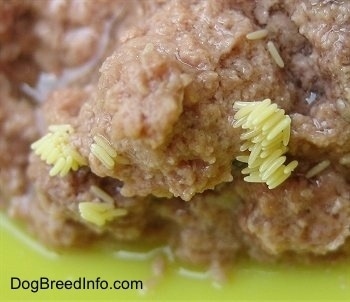
Credit: www.dogbreedinfo.com
Veterinary Treatments Available
When a dog eats fly eggs, prompt veterinary care is important. Treatments focus on removing eggs and preventing infections. Vets use specific medications and procedures to protect your pet’s health. Early treatment helps avoid serious problems and keeps your dog comfortable.
Medications Commonly Used
Vets often prescribe antiparasitic drugs to kill fly eggs and larvae. Antibiotics help prevent or treat infections caused by bacteria. Anti-inflammatory medications reduce swelling and pain in affected areas. These medicines work together to clear the problem quickly.
Procedures For Severe Cases
In severe cases, vets may need to remove eggs or larvae manually. Cleaning and flushing the affected area helps remove debris and bacteria. Surgery is rare but may be necessary if the infestation is deep or widespread. Prompt procedures help stop the problem from worsening.
Follow-up Care Tips
After treatment, vets recommend monitoring the dog’s condition closely. Keep wounds clean and dry to avoid infection. Follow all medication instructions carefully to ensure full recovery. Regular check-ups help catch any complications early. Proper care supports fast healing and health.
Preventing Future Incidents
Preventing future incidents of your dog eating fly eggs is important for their health. Taking steps to stop this behavior helps avoid infections and other health problems. Simple actions can make a big difference in keeping your dog safe.
Keeping Dogs Away From Flies
Keep your dog away from areas with many flies. Use safe fly repellents in places your dog plays. Supervise your dog during outdoor activities. Training your dog to avoid flies also helps a lot.
Maintaining A Clean Environment
Clean your home and yard regularly to reduce flies. Remove garbage and food scraps quickly. Keep pet food covered and stored properly. Clean up pet waste promptly to stop flies from breeding.
Regular Health Checks
Visit the vet for regular health checks. Early detection of any problems keeps your dog healthy. Ask the vet about signs of fly-related infections. Follow their advice for treatment and prevention.

Credit: www.reddit.com
Frequently Asked Questions
Can Fly Eggs Harm My Dog If Eaten?
Fly eggs usually do not harm dogs but can cause mild stomach upset sometimes.
How Can I Tell If My Dog Ate Fly Eggs?
Look for vomiting, diarrhea, or unusual behavior after your dog eats outdoors.
Do Fly Eggs Carry Diseases Dangerous To Dogs?
Fly eggs themselves rarely carry diseases, but flies can spread bacteria and germs.
Should I Take My Dog To The Vet After Eating Fly Eggs?
Visit the vet if your dog shows severe symptoms like vomiting or diarrhea.
How Can I Prevent My Dog From Eating Fly Eggs?
Keep your dog away from trash, dead animals, and fly-infested areas.
Can Fly Eggs Cause Worms Or Parasites In Dogs?
Fly eggs do not cause worms, but flies can spread some parasites sometimes.
Conclusion
Dogs eating fly eggs can cause mild stomach upset. Watch for vomiting or diarrhea after they eat. Most cases do not need serious treatment. Keep your dog clean and away from fly-infested areas. Check with a vet if symptoms last or worsen.
Preventing this helps keep your dog healthy and happy. Small steps make a big difference in pet care. Stay alert and protect your furry friend every day.
As an Amazon Associate, I earn from qualifying purchases.