Have you ever caught your dog chewing on gum and wondered, “Is this dangerous?” If your furry friend swallows gum, it can be a scary moment. You want to protect your pet, but you might not know what to do next.
Understanding what really happens inside your dog’s body when they swallow gum can help you stay calm and act fast. Keep reading to find out the risks, signs to watch for, and the best steps to keep your dog safe.
This information could make all the difference for your pet’s health.
Why Dogs Eat Gum
Dogs sometimes eat gum, but why? Understanding their reasons helps keep them safe. Dogs explore the world with their mouths. They chew on many things every day. Gum can catch their attention for different reasons.
Attraction To Sweetness
Many gums taste sweet. Dogs like sweet flavors too. The sugar or sweetener in gum can attract them. They may think gum is a treat. This makes them want to eat it quickly.
Curiosity And Chewing Habits
Dogs are naturally curious animals. They use chewing to learn about objects. Gum feels soft and chewy in their mouths. This texture can be interesting to them. Puppies especially like to chew a lot. They might grab gum out of curiosity or boredom.
Ingredients In Gum That Harm Dogs
Gum contains several ingredients that can be dangerous to dogs. Some of these substances cause mild discomfort. Others can lead to serious health problems. Knowing which ingredients to watch out for helps keep dogs safe.
Many gum brands use artificial additives. These can upset a dog’s stomach or worse. Some ingredients affect dogs differently than humans. Even a small amount can be risky.
Xylitol Toxicity
Xylitol is a sugar substitute found in many gums. It is highly toxic to dogs. Even a tiny bit can cause a dangerous drop in blood sugar. Dogs may become weak, dizzy, or have seizures.
Xylitol can also harm a dog’s liver. This damage may be fatal if untreated. Immediate veterinary care is crucial after xylitol ingestion. Check gum labels carefully to avoid this ingredient.
Artificial Sweeteners And Chemicals
Other artificial sweeteners in gum may irritate a dog’s digestive system. Chemicals and flavorings can cause vomiting or diarrhea. Some gums contain caffeine or theobromine, which are toxic to dogs.
These substances affect a dog’s heart and nervous system. Symptoms include restlessness, rapid breathing, and increased heart rate. Avoid giving dogs any gum to prevent these risks.
Immediate Signs Of Trouble
When a dog swallows gum, some signs show quickly. These signs warn of trouble inside your pet’s body. Watch your dog closely. Acting fast can save your dog’s life. Know these immediate signs to protect your furry friend.
Vomiting And Drooling
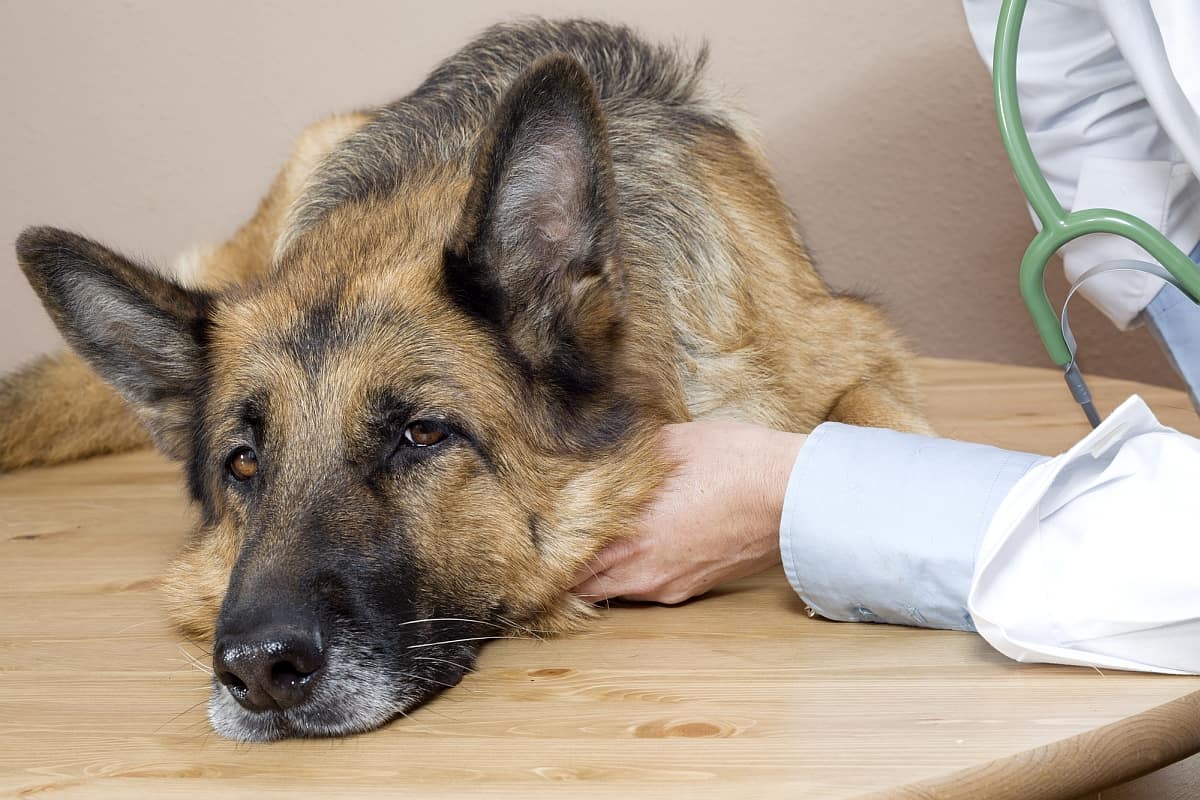
Vomiting is a common sign after swallowing gum. Your dog may try to throw up to remove the gum. Drooling also happens as the body reacts. Excess saliva helps protect the throat from irritation. Both vomiting and drooling mean the dog feels sick.
Weakness And Seizures
Weakness can follow if the gum causes more harm. Your dog may seem tired or unable to stand. Seizures are a serious sign of danger. They can happen if the gum blocks digestion or contains harmful ingredients. Seek help quickly if you see these signs.
Credit: www.varatmkittclinic.com
Potential Health Risks
Dogs swallowing gum can cause serious health problems. The risks depend on the gum’s ingredients and the amount swallowed. Some gums contain harmful substances that affect dogs differently. Understanding these risks helps pet owners act quickly and keep their dogs safe.
Some dangers are immediate, while others develop slowly. Knowing what to watch for can save your dog’s life.
Hypoglycemia
Many gums have xylitol, a sweetener toxic to dogs. It causes a rapid drop in blood sugar, called hypoglycemia. Symptoms include weakness, shaking, and seizures. Hypoglycemia can be life-threatening if untreated. Quick veterinary care is necessary to raise blood sugar levels.
Digestive Blockages
Chewing gum base is sticky and does not break down easily. It can clump together in the stomach or intestines. This causes a blockage that stops food from passing. Signs include vomiting, loss of appetite, and abdominal pain. Blockages often require surgery to remove the gum mass.
Liver Damage
Xylitol also harms the liver in dogs. It can cause liver failure within hours of ingestion. Look for vomiting, jaundice, and lethargy. Liver damage can be fatal without prompt treatment. Early veterinary help improves the chances of recovery.
What To Do If Your Dog Swallows Gum
Dogs chewing gum can be risky. Gum often contains xylitol, a sweetener toxic to dogs. Swallowing gum may cause serious health problems. Knowing what to do is important. Quick action can protect your dog’s health.
When To Call The Vet
Call the vet if your dog ate gum with xylitol. Watch for symptoms like vomiting, weakness, or seizures. Even small amounts can harm your dog. If you notice any unusual behavior, contact your vet immediately. Do not wait for symptoms to worsen.
Emergency Care Steps
Try to find out how much gum your dog swallowed. Keep your dog calm and still. Do not make your dog vomit without vet advice. Take your dog to the vet quickly for treatment. Early care can prevent serious damage or death.

Credit: www.michigananimalhospital.com
Preventing Gum Ingestion
Preventing gum ingestion is important to keep dogs safe and healthy. Dogs often chew on things they find on the floor or around the house. Gum can be harmful because it may contain xylitol, a sweetener toxic to dogs. Even regular gum can cause choking or blockages in their stomach.
Taking simple steps can reduce the chance of your dog swallowing gum. Careful disposal and good training help protect your pet. Small actions make a big difference in preventing accidents.
Safe Disposal Of Gum
Always throw gum into a secure trash bin. Use bins with lids to stop dogs from reaching it. Avoid leaving gum on tables, counters, or floors. Clean up immediately after chewing gum. Teach family members and visitors to do the same. Keeping gum out of reach lowers the risk of ingestion.
Training And Supervision Tips
Train your dog to leave items on the ground alone. Use commands like “leave it” or “drop it” consistently. Reward your dog for following these commands. Watch your dog closely during walks and playtime. Keep small objects, including gum, away from their reach. Supervision helps catch risky behavior early and stops gum swallowing.
Alternatives To Gum For Dogs
Dogs often chew to explore and relieve stress. Gum is not safe for dogs due to harmful ingredients. Finding safe alternatives helps keep dogs happy and healthy. Chew toys and dental treats offer good options for dogs to chew safely.
Safe Chew Toys
Chew toys come in many shapes and sizes. They keep dogs busy and stop them from chewing harmful things. Toys made from rubber or nylon last long and are gentle on teeth. Look for toys designed for your dog’s size and chewing strength. Safe chew toys help prevent choking and stomach problems.
Dental Treats
Dental treats clean dogs’ teeth while they chew. They reduce plaque and freshen breath naturally. These treats come in tasty flavors dogs enjoy. They support healthy gums and teeth without harmful chemicals. Giving dental treats regularly supports your dog’s oral health well.
Credit: sinfoniagulfcoast.org
Frequently Asked Questions
Can Swallowing Gum Harm My Dog’s Health?
Swallowing gum can cause tummy upset or blockages in dogs, especially if eaten in large amounts.
Is Xylitol Gum Dangerous For Dogs?
Yes, xylitol is toxic to dogs and can cause low blood sugar and liver damage.
How Much Gum Is Too Much For A Dog?
Even a small amount of xylitol gum is risky; regular gum may cause issues if eaten often.
What Symptoms Show If My Dog Ate Gum?
Look for vomiting, diarrhea, weakness, or seizures after your dog swallows gum.
Should I Call A Vet If My Dog Ate Gum?
Contact your vet immediately, especially if the gum contains xylitol or your dog shows symptoms.
Can Gum Block My Dog’s Intestines?
Yes, swallowed gum can clump and block intestines, causing serious health problems in dogs.
Conclusion
Swallowing gum can cause problems for dogs, but not always. Watch your dog closely after they eat gum. Look for signs like vomiting, stomach pain, or trouble pooping. Acting fast can help avoid serious health issues. Keep gum out of your dog’s reach to stay safe.
Remember, quick action and care can protect your furry friend. Always contact a vet if you feel unsure or worried. Your dog’s health matters most.
As an Amazon Associate, I earn from qualifying purchases.