Imagine your dog excitedly running on the beach, only to suddenly stop and start limping. What if your furry friend just stepped on a jellyfish?
You might wonder what happens next and how to keep your dog safe. Understanding the risks and knowing what to do can make all the difference. Keep reading to discover how jellyfish stings affect dogs and the simple steps you can take to protect your pet from pain and harm.
Jellyfish Sting Effects On Dogs
Dogs love the beach, but jellyfish can be a hidden danger. When a dog steps on a jellyfish, the sting can cause pain and other symptoms. Understanding these effects helps you act quickly to protect your pet.
Common Symptoms
Jellyfish stings cause redness and swelling on your dog’s paw. Your dog might lick or bite the area a lot. Some dogs show signs of pain like limping or crying. You could see small blisters or bumps where the sting happened. In some cases, dogs may cough or have trouble breathing.
Severity Factors
The type of jellyfish affects how bad the sting is. Some jellyfish have stronger venom than others. The size and age of your dog also matter. Smaller dogs may have worse reactions than larger ones. The sting location plays a role too. Stings on sensitive areas cause more pain. Quick care can reduce how serious the sting becomes.

Credit: www.1dogwoof.com
Immediate Actions To Take
Stepping on a jellyfish can cause pain and irritation to your dog. Acting quickly helps reduce discomfort and prevents further injury. Knowing the right steps ensures your dog stays safe and calm.
Removing Tentacles Safely
Do not touch the tentacles with bare hands. Use gloves or a cloth to remove them gently. Scrape the tentacles off with a flat object like a credit card. Avoid rubbing the area as it may spread venom. Remove all visible tentacles carefully to reduce stings.
Rinsing The Area
Rinse the affected area with salt water, not fresh water. Fresh water may trigger more venom release. Use a saline solution or seawater if available. Gently pour the water over the sting site to clean it. Avoid scrubbing to prevent irritation. This step helps reduce pain and swelling quickly.
Home Remedies For Relief
Stepping on a jellyfish can cause pain and discomfort for your dog. Quick action at home can help ease the symptoms. Knowing simple remedies can prevent the sting from getting worse. These home treatments focus on reducing pain and swelling safely.
Soothing Solutions
Rinse the affected area with vinegar to neutralize jellyfish venom. Use clean water only if vinegar is not available. Avoid rubbing the sting to stop more venom release. Apply a cold compress to reduce swelling and pain. Keep the cold pack on for 10 minutes at a time. Give your dog plenty of water to drink to stay hydrated.
Avoiding Harmful Treatments
Do not use fresh water to wash the sting if vinegar is nearby. Fresh water can activate more stingers. Never rub the sting area with towels or hands. Avoid applying ice directly on your dog’s skin. Do not use alcohol, ammonia, or baking soda on the sting. These substances can worsen irritation and damage skin.

Credit: www.shutterstock.com
When To See A Vet
Knowing when to see a vet after your dog steps on a jellyfish is very important. Jellyfish stings can cause mild to severe reactions in dogs. Some dogs only have small red marks. Others may have serious health problems.
It is better to be safe and watch your dog closely. Quick action can prevent serious harm. Learn the signs of severe reactions and what to do right away.
Signs Of Severe Reaction
Look for swelling around the paw or face. Your dog may lick or chew the sting area a lot. Watch for difficulty breathing or coughing. Weakness or shaking can also occur. Vomiting or drooling more than usual is a warning. If your dog seems very tired or unresponsive, seek help fast.
Emergency Care Steps
Rinse the sting area gently with salt water, not fresh water. Remove any jellyfish tentacles carefully with tweezers. Avoid rubbing the area. Apply a cold compress to reduce pain and swelling. Do not give your dog any human medicine without vet advice. Keep your dog calm and quiet during the trip to the vet.
Preventing Jellyfish Stings
Preventing jellyfish stings is important for every dog owner who visits the beach. Jellyfish can be hidden in the sand or water. Dogs may step on them by accident. Stings cause pain and discomfort. Taking steps to avoid stings protects your dog’s health and comfort.
Beach Safety Tips
Watch the beach for jellyfish warnings and signs. Avoid areas with many jellyfish on the shore. Keep your dog on a leash to control where it walks. Check the sand and water before letting your dog play. Rinse your dog with fresh water after beach visits. Stay alert to your dog’s behavior for signs of stings.
Protective Gear For Dogs
Use dog booties to protect your dog’s paws from jellyfish. Choose booties made of soft, flexible materials for comfort. Consider a lightweight dog wetsuit for extra skin protection. Protective gear helps reduce the risk of painful stings. Always check gear fits well and does not restrict movement.
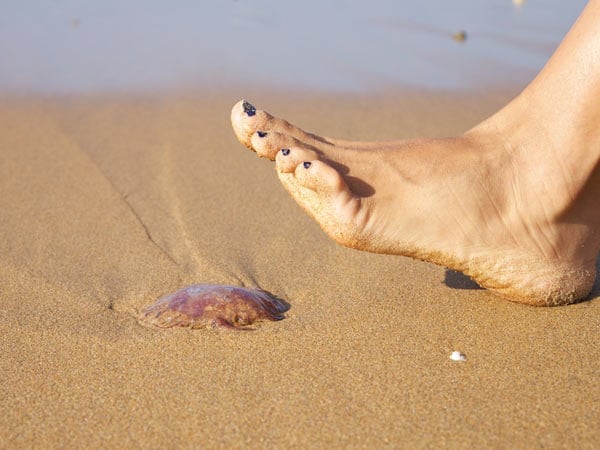
Credit: www.petmd.com
Frequently Asked Questions
What Happens When A Dog Steps On A Jellyfish?
A dog may get stung, causing pain, swelling, or redness on its paw.
How Serious Is A Jellyfish Sting For Dogs?
Most stings cause mild irritation, but some can lead to more severe allergic reactions.
What Are Common Signs Of A Jellyfish Sting In Dogs?
Look for limping, licking the paw, redness, swelling, or signs of pain.
Can Jellyfish Stings Cause Allergic Reactions In Dogs?
Yes, some dogs may have allergies, leading to difficulty breathing or swelling.
How Should I Treat My Dog After A Jellyfish Sting?
Rinse the paw with salt water, remove tentacles carefully, and visit a vet if needed.
When Should I Seek Emergency Help For My Dog’s Jellyfish Sting?
If the dog shows trouble breathing, severe swelling, or collapse, get emergency care immediately.
Conclusion
A dog stepping on a jellyfish can cause pain and swelling. Watch your pet closely for signs of discomfort or distress. Rinse the affected area with salt water, not fresh water. Avoid rubbing or scratching the sting spot. Seek veterinary help if symptoms worsen or last long.
Quick care helps reduce pain and prevent infection. Stay calm and act fast to keep your dog safe. Knowing what to do can make all the difference.
As an Amazon Associate, I earn from qualifying purchases.