Have you ever wondered what could happen if you don’t license your dog? It might seem like a small step, but skipping this important task can lead to big problems for you and your furry friend.
From unexpected fines to trouble finding your pet if they get lost, not licensing your dog puts both of you at risk. Keep reading to discover why licensing matters and how it protects your dog—and your peace of mind.
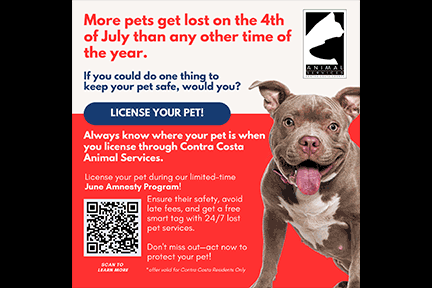
Credit: contracosta.news
Reasons To License Your Dog
Licensing your dog is more important than many people think. It protects your pet and helps the community. Many dog owners skip this step, but it has real benefits. Understanding these reasons can encourage responsible pet care.
Legal Obligations
Many places require dogs to be licensed by law. This rule helps keep track of pets. Owning a dog means following local laws. Not licensing your dog can lead to fines or penalties. Licensing shows you are a responsible pet owner.
Public Safety
Licensing helps protect people and other animals. It ensures dogs have proper vaccinations. Licensed dogs are less likely to spread diseases. Authorities can quickly identify dangerous dogs. This keeps communities safer and more peaceful.
Lost Pet Recovery
A license helps find your dog if it gets lost. The tag has important information for identification. Animal shelters use licenses to contact owners faster. This reduces stress for pets and families. Licensing increases the chance of a happy reunion.

Credit: keenenh.gov
Common Licensing Requirements
Dog licensing is a legal step that dog owners must follow. Each area sets clear rules for licensing dogs. Knowing these rules helps avoid fines and keeps pets safe.
Age And Vaccination Rules
Most places require dogs to be a certain age before licensing. Usually, puppies must be at least three months old. Dogs must have up-to-date vaccinations, especially rabies shots. Proof of vaccination is often needed to get a license.
Renewal Processes
Dog licenses do not last forever. They must be renewed every year or every few years. Owners need to submit renewal forms and sometimes updated vaccination records. Timely renewal prevents penalties and keeps the license valid.
Fees And Costs
Licensing dogs involves paying a fee. Costs vary by location and dog type. Some areas charge less for spayed or neutered dogs. Fees support animal control and shelter services in the community.
Penalties For Not Licensing
Failing to license your dog can lead to several penalties. These rules exist to keep pets safe and owners responsible. Ignoring licensing requirements may cause unexpected troubles. Understanding these penalties helps you avoid fines and legal problems.
Fines And Fees
Local governments charge fines for unlicensed dogs. These fees vary by area but can be costly. Paying late fines adds extra charges. Some places charge daily fees until licensing is done. Avoiding these costs saves money and stress.
Legal Actions
Authorities may take legal steps against owners without licenses. This includes court appearances and official warnings. Repeated offenses might lead to harsher penalties. In rare cases, pets can be taken away. Licensing keeps your dog legally protected.
Impact On Dog Ownership
Not licensing your dog affects your ownership rights. You may lose certain privileges, such as dog park access. Insurance claims might be denied without proof of license. Lost pets without licenses may not be returned quickly. Licensing shows you are a responsible owner.
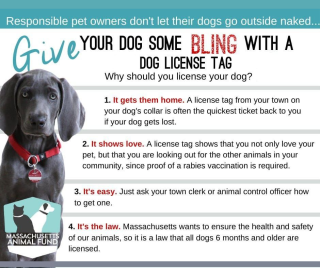
Credit: www.townofsharon.net
Risks Without A License
Not licensing your dog can cause many problems. It puts your dog and you at risk. Licenses help prove ownership and keep your dog safe. Without one, you may face trouble in different ways.
Difficulty In Recovering Lost Dogs
Lost dogs without licenses are harder to identify. Shelters may not know who owns them. This can delay or stop your dog from coming home. A license tag helps find your dog quickly.
Increased Liability
Owning an unlicensed dog may raise legal issues. You could face fines or penalties. It shows you did not follow local laws. This might affect you if your dog causes harm.
Limitations On Dog Activities
Some places require dog licenses for entry. Parks, events, or dog clubs may refuse unlicensed dogs. Your dog may miss out on social time. Licensing helps your dog join many activities safely.
How To License Your Dog
Licensing your dog is a simple process that helps keep your pet safe and legal. It also supports local animal shelters and community services. Knowing the steps to license your dog makes the task quick and easy.
Steps To Apply
First, gather all required documents. Next, fill out the application form. Submit the form either online, by mail, or in person. Pay the licensing fee. Receive your dog’s license tag and keep it on your pet’s collar.
Required Documents
You need proof of your dog’s rabies vaccination. A certificate from your vet usually works. Some places also require proof of spaying or neutering. Check your local rules for exact documents needed.
Where To License
Licensing usually happens at your city or county animal control office. Some areas allow you to apply online through their official websites. Pet shelters or veterinary clinics sometimes offer licensing services too.
Benefits Of Licensing Beyond Compliance
Licensing your dog offers more than just following the law. It creates a safer and more caring environment for pets and owners. This simple act brings several benefits that improve your experience as a dog owner.
Community Support
Licensing helps local shelters and animal control find lost dogs quickly. It lowers the number of animals in shelters. Communities become safer and more pet-friendly. People feel more connected through responsible pet ownership.
Access To Services
Licensed dogs often get easier access to veterinary care and pet facilities. Some places require proof of license for entry. It may also lead to discounts on pet insurance and grooming. Licensing opens doors to many helpful services.
Proof Of Ownership
A license serves as official proof that the dog belongs to you. It helps recover your dog if it gets lost or stolen. Authorities use the license to match pets with their owners. This reduces stress and worry for pet families.
Frequently Asked Questions
What Are The Legal Risks Of Not Licensing Your Dog?
Not licensing a dog can lead to fines and legal trouble in many areas.
Can Unlicensed Dogs Be Taken By Animal Control?
Yes, unlicensed dogs may be picked up by animal control more easily.
How Does Dog Licensing Protect Lost Pets?
Licensing helps reunite lost dogs with their owners quickly through ID tags.
Will Not Licensing Affect My Dog’s Access To Public Areas?
Some parks and facilities require dog licenses for entry or activities.
What Fines Or Penalties Exist For Unlicensed Dogs?
Penalties often include fines that vary by city or county regulations.
Does Dog Licensing Contribute To Community Safety?
Licensing helps track dogs and supports public health and safety efforts.
Conclusion
Not licensing your dog can lead to serious trouble. Authorities may fine you or even take your pet away. Licensing helps find lost dogs and proves ownership. It also supports local animal shelters and health programs. Protect your dog and avoid legal problems by licensing today.
This small step keeps your pet safe and you worry-free. Don’t risk losing your furry friend or paying fines. Licensing is simple, important, and benefits everyone involved. Keep your dog protected with a valid license.
As an Amazon Associate, I earn from qualifying purchases.