Have you ever wondered what the “kcal” on your dog’s food bag really means? Understanding this simple term can make a big difference in keeping your furry friend healthy and full of energy.
Knowing how many calories your dog needs—and how many they’re getting—helps you make smarter choices about their meals. Keep reading, and you’ll discover everything you need to know about kcal in dog food, so you can give your pet the best care possible.
Calories And Dog Food
Understanding calories in dog food helps you feed your pet the right amount. Calories provide energy for daily activities and keep dogs healthy. Knowing about calories lets you choose the best food for your dog’s needs.
Defining A Kcal
A Kcal stands for kilocalorie. It is a unit that measures energy in food. One Kcal equals 1,000 calories. Dog food labels use Kcal to show how much energy the food contains.
Calories Vs Kilocalories
Calories and kilocalories are often mixed up. In science, a calorie is a small unit of energy. A kilocalorie is 1,000 calories and used in food energy. Dog food energy is listed in kilocalories, but often just called calories.
Role Of Calories In Dog Nutrition
Calories fuel your dog’s body. They support growth, movement, and organ function. Too many calories cause weight gain. Too few calories cause weakness and weight loss. Balancing calories helps maintain a healthy dog.

Credit: rawbistro.com
Calculating Dog Food Kcal
Calculating the kcal in dog food helps you feed your dog the right amount. This ensures your dog stays healthy and active. Knowing how many calories your dog needs and how many are in their food is key. It also helps prevent overfeeding or underfeeding.
Reading Dog Food Labels
Dog food labels show calories per serving or per cup. Look for “kcal” or “calories” on the package. Some labels list calories per kilogram or per 100 grams. This helps compare different foods easily. Be sure to check the feeding guide on the label too. It shows how much food your dog needs based on weight.
Caloric Content By Ingredients
Different ingredients have different calorie amounts. Protein and carbohydrates give about 4 kcal per gram. Fat gives about 9 kcal per gram. Foods with more fat have more calories. Grains and vegetables add fewer calories than meat or fat. Knowing this helps you understand the energy your dog gets.
Daily Calorie Needs By Dog Size
Small dogs need fewer calories than big dogs. A tiny dog may need only 200 to 400 kcal per day. Medium dogs may need 700 to 1,200 kcal. Large dogs often need over 1,500 kcal daily. Age, activity, and health also change calorie needs. Adjust feeding amounts to keep your dog fit and healthy.
Impact Of Calories On Dog Health
Calories in dog food play a key role in your dog’s health. They provide the energy dogs need for daily activities. Too many or too few calories can cause health problems. Understanding how calories affect your dog helps you keep them healthy and happy.
Weight Management
Calories control your dog’s weight. Eating the right amount keeps dogs fit. Too many calories cause weight gain. Excess weight leads to joint pain and heart issues. Too few calories make dogs weak and lose muscle. Balanced calories help maintain a healthy weight.
Energy Levels And Activity
Calories fuel your dog’s energy. Active dogs need more calories for exercise. Dogs with low activity need fewer calories. Proper calorie intake keeps dogs playful and alert. Lack of calories causes tiredness and low activity. A good calorie balance supports a lively lifestyle.
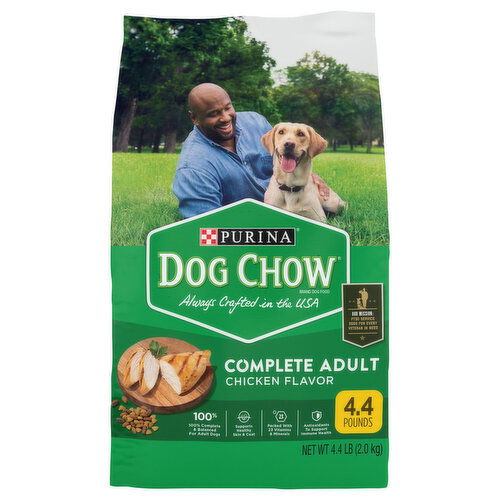
Risks Of Overfeeding
Overfeeding causes serious health risks. Obesity increases chances of diabetes and arthritis. It shortens your dog’s life span. Overfed dogs may suffer from breathing problems. Careful calorie control avoids these risks. Feeding the right amount protects your dog’s health.
Credit: www.brookshires.com
Choosing The Right Dog Food
Choosing the right dog food is important for your pet’s health and happiness. Each dog needs a different amount of calories, depending on their age, size, and activity level. Knowing what a Kcal in dog food means helps you feed your dog the right amount of energy. This section explains how to pick the best food based on your dog’s calorie needs.
Matching Calories To Lifestyle
Active dogs burn more energy and need more calories in their food. Dogs that stay indoors or exercise less need fewer calories. Puppies and young dogs usually require more calories for growth. Older dogs often need fewer calories to avoid weight gain. Feeding the right calories keeps your dog healthy and fit.
Special Diets And Calorie Needs
Some dogs have special diet needs due to health problems. Dogs with allergies or digestive issues may need specific foods with controlled calories. Overweight dogs need low-calorie food to help them lose weight safely. Dogs with high energy levels or working dogs need food with more calories. Choose a diet that fits your dog’s health and calorie requirements.
Consulting A Veterinarian
A veterinarian can help you understand your dog’s calorie needs. They check your dog’s weight, age, and health to recommend the best food. Regular check-ups allow adjustments to your dog’s diet as they grow or change activity. Trusting a vet ensures your dog gets the right amount of calories for a long, healthy life.
Monitoring And Adjusting Intake
Monitoring and adjusting your dog’s calorie intake is key to keeping them healthy. Dogs need the right amount of energy from their food for daily activities and good health. Overfeeding or underfeeding can cause problems. Regular checks help you give the right portions. This keeps your dog fit and happy.
Tracking Your Dog’s Weight
Check your dog’s weight regularly. Use a scale or visit the vet for accurate results. Write down the numbers every week or month. This helps spot weight changes early. A steady weight means good calorie balance. Sudden changes can mean you need to adjust food intake.
Adjusting Portions Over Time
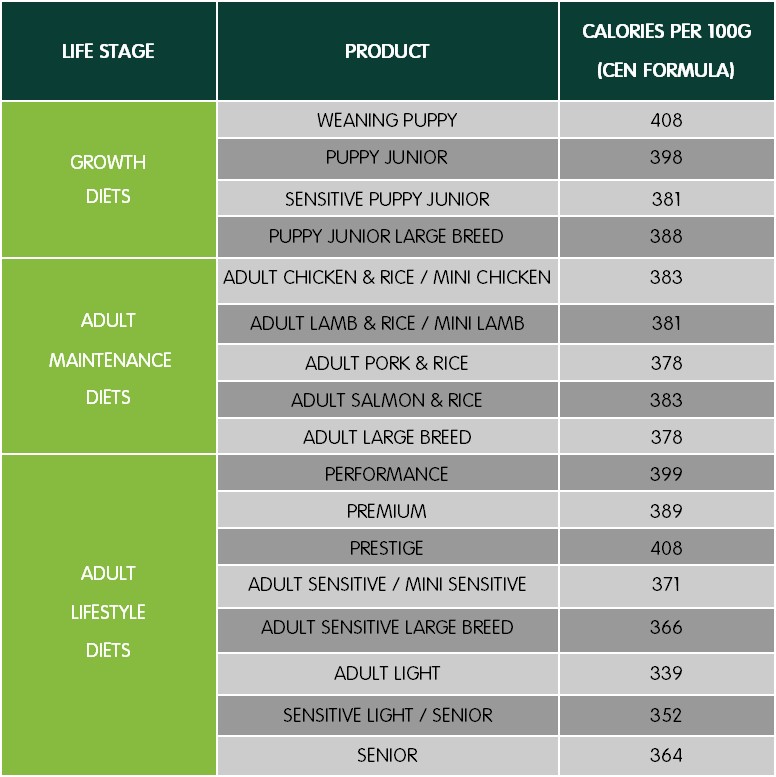
Change food portions as your dog’s needs change. Puppies, adults, and seniors need different calories. Active dogs burn more energy and need more food. Less active dogs need fewer calories. Adjust portions slowly to avoid stomach upset. Watch your dog’s weight and energy for clues.
Signs Of Calorie Deficiency Or Excess
Look for signs of too few or too many calories. A dog losing weight or feeling tired may lack calories. Weight gain or sluggishness can mean too many calories. Check coat condition and appetite too. Poor coat or low appetite can signal a problem. Adjust food and check again after a week.
Credit: www.ardengrange.com
Frequently Asked Questions
What Does Kcal Mean In Dog Food?
Kcal stands for kilocalories, the energy amount dogs get from their food.
How Do Kcal Affect My Dog’s Diet?
Kcal show how much energy the dog food provides for daily activities.
Why Is Knowing Kcal Important For Dog Food?
Knowing Kcal helps feed the right amount to keep dogs healthy and active.
How Many Kcal Does An Average Dog Need Daily?
Most dogs need between 800 to 1,500 Kcal daily, depending on size and activity.
Can Too Many Kcal Harm My Dog?
Yes, too many Kcal can cause weight gain and health problems in dogs.
Where Can I Find Kcal Information On Dog Food Labels?
Dog food labels list Kcal per serving or per cup for easy reading.
Conclusion
Understanding kcal in dog food helps you feed your pet right. Calories show how much energy food gives your dog. Too many or too few calories can affect your dog’s health. Always check the kcal on the dog food label.
Adjust portions to match your dog’s activity and size. This keeps your dog healthy and active. Simple knowledge like this supports your pet’s well-being every day. Keep learning and caring for your furry friend.
As an Amazon Associate, I earn from qualifying purchases.