Are you thinking about finding a new home for your dog or adopting one? You might have heard the term “rehoming fee” but aren’t quite sure what it means or why it matters.
Understanding what a rehoming fee is can save you time, money, and a lot of hassle. It’s more than just a price tag—it’s about ensuring your dog finds a safe, loving home. Keep reading to discover how this fee works and why it’s important for both you and your furry friend.
Credit: www.petplace.com
Rehoming Fee Basics
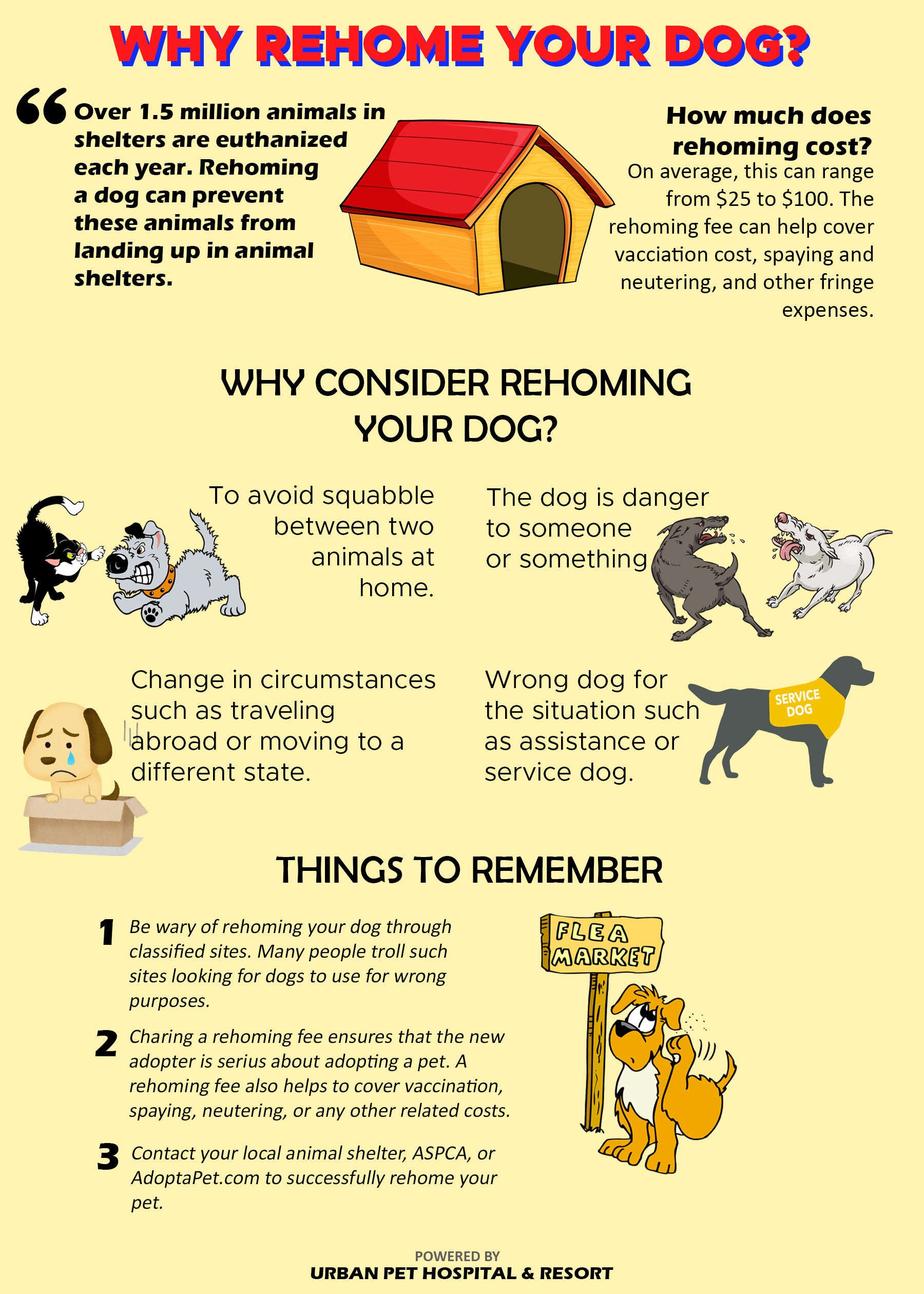
A rehoming fee is a small charge asked when a dog moves to a new home. It helps cover some costs from caring for the dog. Many people do not understand why this fee exists or who sets it. Knowing these basics can make the process clear and simple.
Purpose Of Rehoming Fees
The main goal of a rehoming fee is to show that the new owner is serious. It helps pay for vet visits, food, and care the dog needed before adoption. This fee also helps keep pets safe by making sure new owners think carefully before adopting.
Rehoming fees can stop pets from being passed around too much. They protect the dog and support shelters or rescuers. This small fee is not about making money but about helping pets find good homes.
Who Charges Rehoming Fees
Shelters and rescue groups often charge rehoming fees. They use the money to cover the dog’s care costs. Private owners may also ask for a fee to make sure the new owner is responsible.
Veterinarians or breeders sometimes set fees too. These fees help with medical tests or vaccinations done before giving the dog away. Anyone who cares for the dog before adoption can set a rehoming fee.
Typical Costs Involved
Rehoming a dog often involves a fee to cover basic costs. These costs help ensure the dog is healthy and ready for a new home. Understanding typical costs can help you prepare financially and avoid surprises. The fees vary based on several key factors.
Average Price Range
The average rehoming fee for a dog usually falls between $50 and $300. Small breeds often cost less, while larger or purebred dogs may be higher. Some shelters set a flat fee, while others base it on the dog’s age and health. The fee helps cover vaccinations, microchipping, and spaying or neutering.
Factors Influencing Fees
Health checks and medical treatments affect the rehoming fee. Dogs with special needs or medical history might cost more. Location also plays a role; urban areas often have higher fees. Purebred dogs or puppies usually come with a higher price tag. The organization’s policies and the dog’s training level can also impact the cost.
What Fees Cover
The rehoming fee for a dog is not just a price tag. It covers important costs to ensure the dog’s health and well-being. These fees help owners or shelters manage expenses related to the dog’s care. Understanding what these fees cover helps you see their true value.
Medical Expenses
Medical expenses include vaccinations, check-ups, and treatments. Dogs need shots to protect them from diseases. Vet visits confirm the dog is healthy before moving to a new home. Sometimes, dogs need medication or special care, which adds to the cost.
Behavioral Training
Behavioral training helps dogs learn good habits. Trainers work on commands, social skills, and manners. This makes the dog easier to live with and safer around people. Training reduces future problems and helps the dog adjust to a new family.
Administrative Costs
Administrative costs cover paperwork and processing. This includes registration, ID tags, and licensing fees. The fee also pays for background checks or home visits. These steps make sure the dog goes to a responsible owner.
Credit: eurzad.brodnica.pl
Benefits Of Paying A Rehoming Fee
Paying a rehoming fee for a dog brings several benefits. It helps create a serious and responsible adoption process. This fee supports the well-being of the dog and ensures the new owner is ready for the commitment. Understanding these benefits can help you see why the fee matters.
Ensuring Commitment
A rehoming fee shows the adopter’s dedication. It helps make sure the dog goes to a home that truly wants to care for it. People who pay the fee usually think carefully before adopting. This reduces the chance of the dog being returned or abandoned later.
Supporting Animal Welfare
The fee helps cover medical care and supplies for the dog. It can pay for vaccinations, spaying, and health checks. This support keeps the dog healthy and ready for a new home. Paying the fee helps shelters and rescues continue their work to protect animals.
Alternatives To Rehoming Fees
Rehoming fees can sometimes be a barrier for people wanting to adopt a dog. Many shelters and rescues offer alternatives to help more pets find loving homes. These options support the animals without charging a high fee. They also ensure the new owners are serious and ready to care for the dog.
Adoption Donations
Some shelters ask for a donation instead of a fixed fee. This lets adopters give what they can afford. Donations help cover veterinary care and food for the dog. It also supports shelter operations. This flexible approach makes adoption easier for many families. It encourages more people to consider adopting pets.
No-fee Adoption Options
Many organizations offer no-fee adoptions at times. These special events or promotions waive the adoption fee completely. The goal is to clear space and save more dogs. No-fee adoptions often attract many potential pet owners. They help dogs find homes faster. People should still expect to meet basic requirements. This ensures pets go to safe and loving families.
Credit: www.adoptapet.com
How To Budget For Rehoming Costs
Budgeting for rehoming costs helps prepare for your new dog’s needs. You need to plan beyond the rehoming fee. Consider all costs to avoid surprises. Budgeting keeps your dog’s life happy and healthy.
Additional Expenses To Expect
Besides the rehoming fee, expect other costs. Vet visits are important for vaccinations and check-ups. You might need to buy a collar, leash, and food bowls. Training classes help your dog learn good behavior. Toys and bedding make your dog comfortable and happy. These expenses add up, so plan ahead.
Planning For Long-term Care
Long-term costs include food, regular vet care, and grooming. Dogs need good food to stay healthy. Vet visits keep your dog safe from illness. Grooming prevents matting and keeps skin clean. Think about emergency funds for unexpected health issues. Planning helps you give your dog a good life.
Avoiding Scams And Fraud
Rehoming a dog should feel safe and positive. Sadly, some people use rehoming fees to trick honest adopters. Knowing how to avoid scams and fraud protects you and the pet. Understanding what a fair fee looks like is key. Spotting suspicious signs helps you avoid losing money or getting a dog with hidden problems.
Recognizing Legitimate Fees
A real rehoming fee covers vet checks, vaccinations, and care costs. It is usually reasonable, not too high or too low. Legitimate fees come with clear explanations. You get a receipt or contract that lists the costs. Responsible owners want the dog to go to a good home. They ask questions about your experience and lifestyle. This shows they care about the dog’s future.
Red Flags To Watch For
Be careful if a seller rushes you to pay. Avoid anyone who only accepts unusual payment methods. Scammers often ask for wire transfers or gift cards. Watch for vague answers about the dog’s health or history. If the fee is very high without explanation, pause. No home visits or meetings might mean trouble. Trust your gut feeling if something feels off.
Frequently Asked Questions
What Is A Rehoming Fee For A Dog?
A rehoming fee is a charge to cover costs when adopting or transferring a dog to a new owner.
Why Do Shelters Charge A Rehoming Fee?
Shelters charge this fee to cover veterinary care, vaccinations, and other expenses for the dog.
How Much Is A Typical Dog Rehoming Fee?
Fees usually range from $50 to $300, depending on the dog’s age, breed, and health.
Does Paying A Rehoming Fee Guarantee A Healthy Dog?
The fee helps ensure the dog has had basic health checks but does not guarantee perfect health.
Can A Rehoming Fee Prevent Dog Abandonment?
Yes, it encourages serious adopters and helps reduce the chance of dogs being given up again.
Is The Rehoming Fee Refundable If The Adoption Fails?
Most places do not refund the fee, but some may offer a trial period or exchange option.
Conclusion
A rehoming fee helps ensure dogs find safe, loving homes. It covers basic costs like vaccinations and care. This fee shows commitment from new owners. It also helps shelters continue their important work. Understanding these fees makes adopting clearer and easier.
Always ask questions if unsure about the fee. A dog’s new home should feel right for everyone. Taking time to learn helps pets and people alike. Rehoming fees support happy, healthy dog adoptions everywhere.
As an Amazon Associate, I earn from qualifying purchases.